Neurosurgery

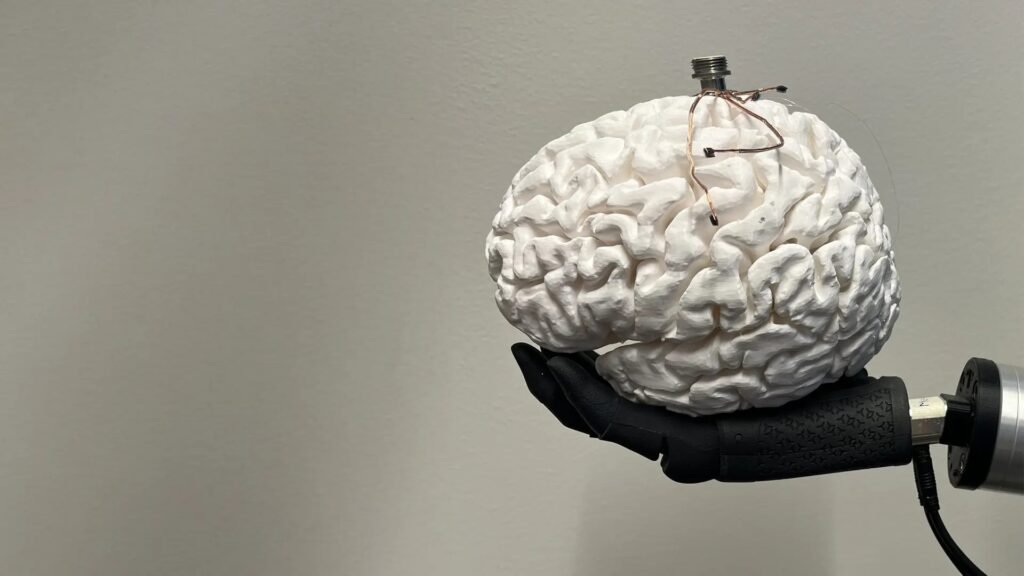
Magnetic Microparticles Provide a Less Invasive Method for Neural Stimulation

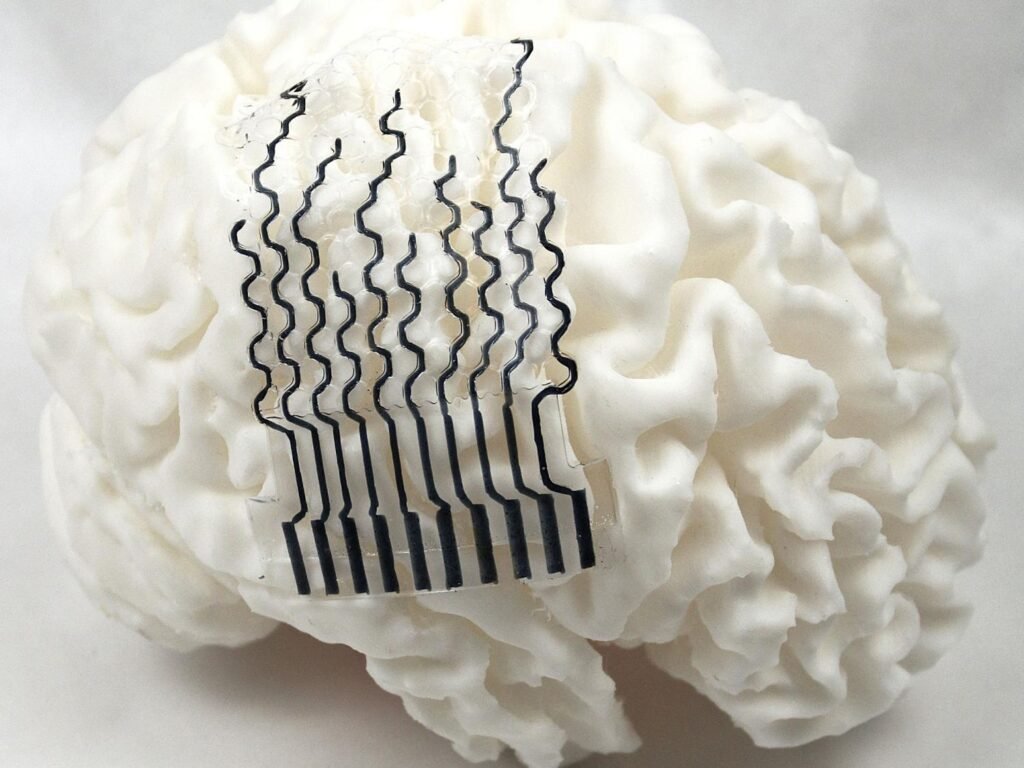
Many neurological disorders are treated with electrical stimulation delivered through surgically implanted electrodes. These devices can help manage severe epilepsy, Parkinson’s disease, essential tremor, and other conditions when medications fail, but they require invasive brain surgery and place rigid metal […]

Magnetic Microparticles Provide a Less Invasive Method for Neural Stimulation Read More »

Light‑Activated Nanozyme Platform Enhances Surgical Precision and Postoperative Treatment for Glioblastoma

Glioblastoma remains one of the most difficult cancers to treat because its cells infiltrate healthy brain tissue, making complete surgical removal nearly impossible. Even when surgeons remove all visible tumor tissue, microscopic clusters often remain and lead to recurrence. The

Light‑Activated Nanozyme Platform Enhances Surgical Precision and Postoperative Treatment for Glioblastoma Read More »

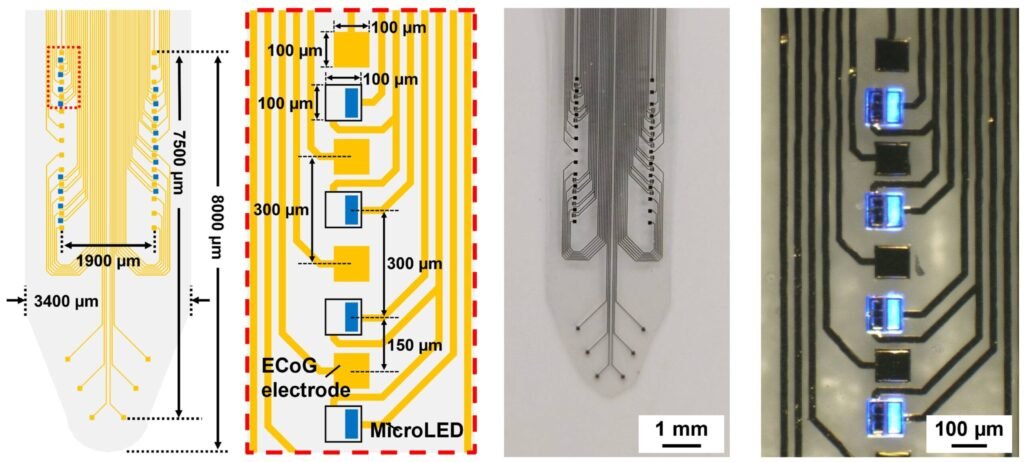
Temperature‑Controlled Brain Implant Enables Precise Bidirectional Modulation of Neural Circuits

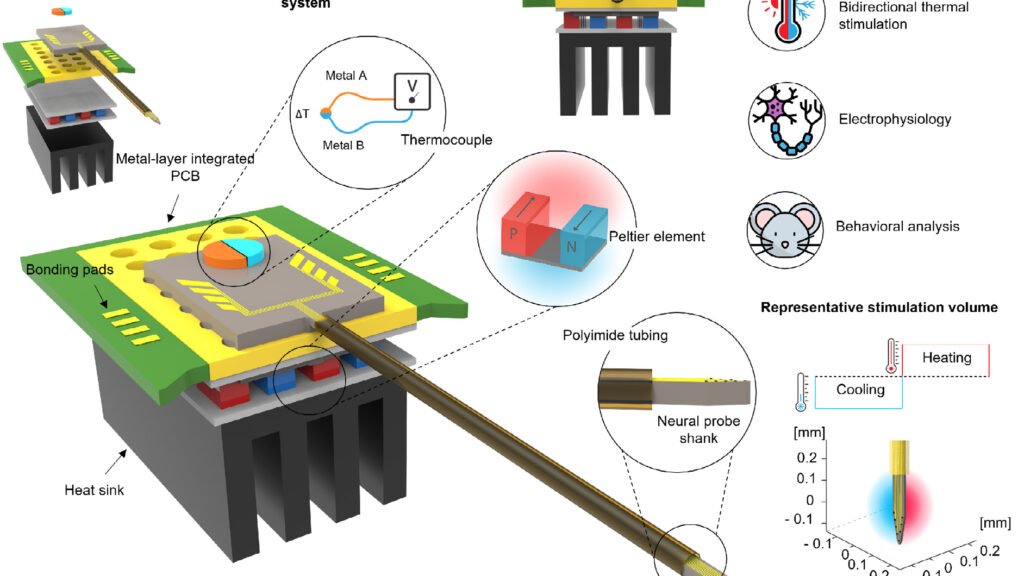
Neurological disorders remain difficult to treat because most neuromodulation technologies can only activate or suppress neural activity in one direction, limiting their ability to provide fine control over complex brain circuits. A research team at Korea University College of Medicine

Temperature‑Controlled Brain Implant Enables Precise Bidirectional Modulation of Neural Circuits Read More »

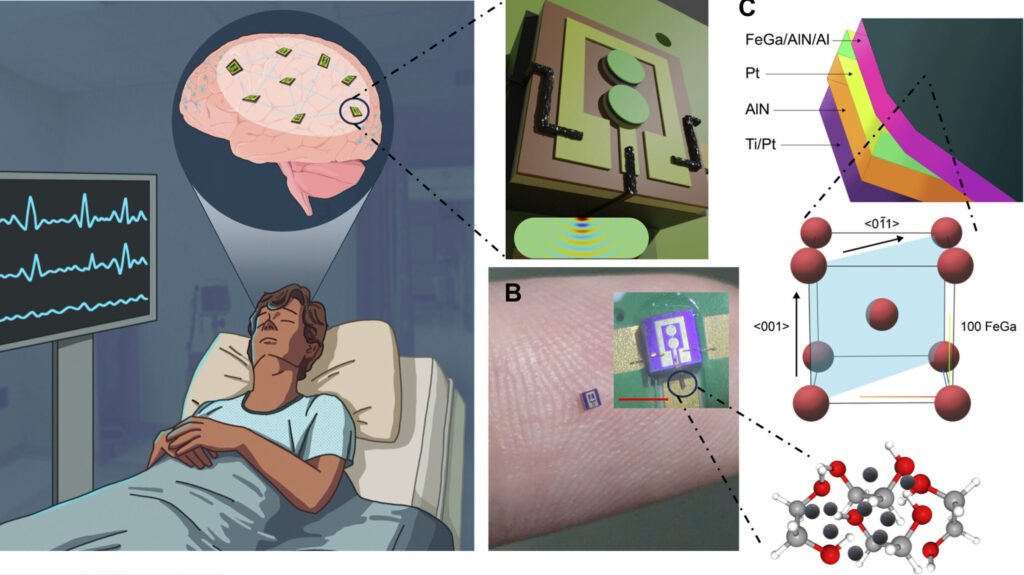
Ultra‑Small Magnetoelectric Antennas Offer a New Path for Safer, Smarter Implantable Medical Devices

Implantable medical devices often struggle to balance size, heat generation and data capacity, making long‑term use uncomfortable and limiting their ability to diagnose or treat disease. Researchers led by the University of Glasgow have developed a new class of ultra‑small

Ultra‑Small Magnetoelectric Antennas Offer a New Path for Safer, Smarter Implantable Medical Devices Read More »

Shared Brain Interface Principles Bring Artificial Vision and Touch Closer to Unified Restoration Technology

Patients with severe sight loss or loss of motor function often have few treatment options because damaged neural pathways cannot be repaired easily, leaving them without reliable ways to regain vision or tactile sensation. Researchers now report that two major

Shared Brain Interface Principles Bring Artificial Vision and Touch Closer to Unified Restoration Technology Read More »

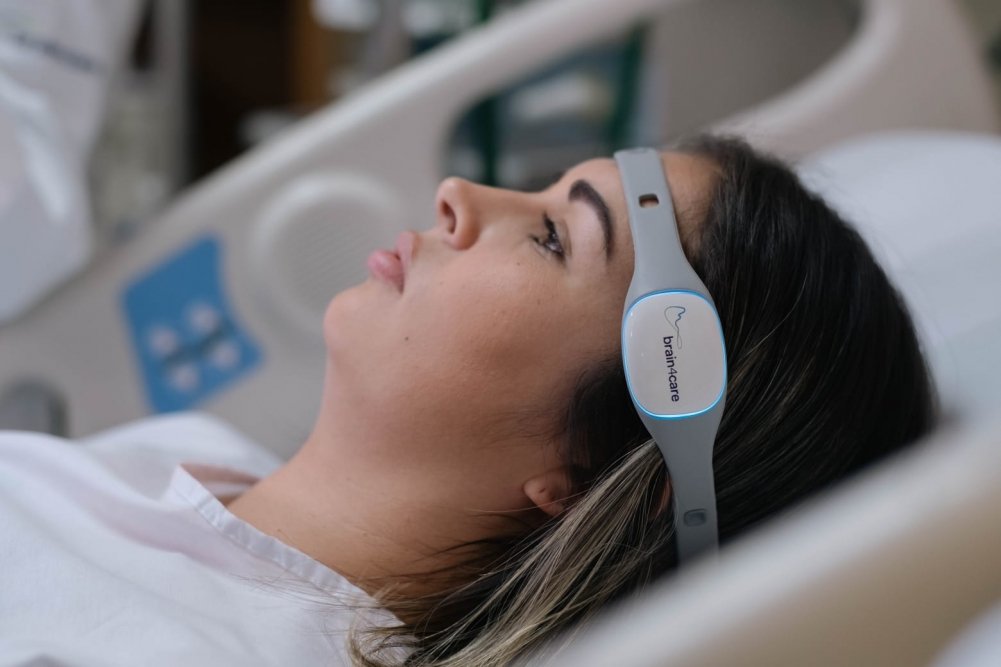
Brazilian Innovation Protects ICU Patients from Brain Injury Using Real Time Oxygen Monitoring

Critically ill patients in intensive care units often face a hidden threat: oxygen deprivation in the brain that can lead to long term cognitive damage or even death. Traditional monitoring systems track heart rate, blood pressure, and blood oxygen levels,

Brazilian Innovation Protects ICU Patients from Brain Injury Using Real Time Oxygen Monitoring Read More »

Scroll to Top