Physical Medicine & Rehabilitation

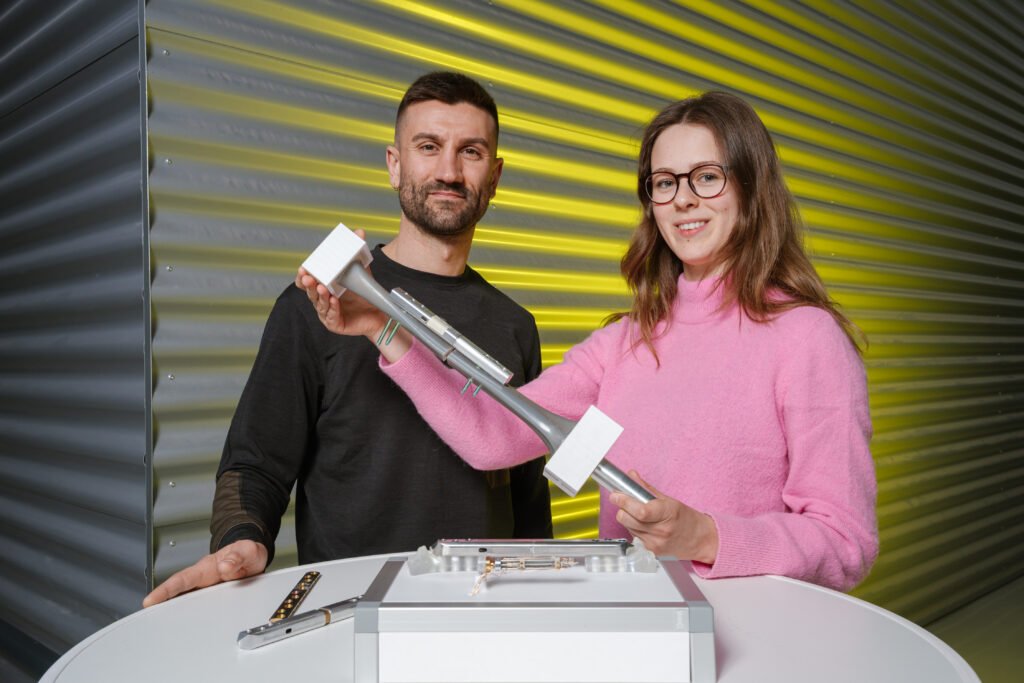
Injectable Wireless Device Offers New Approach for Treating Chronic Pain and Movement Disorders

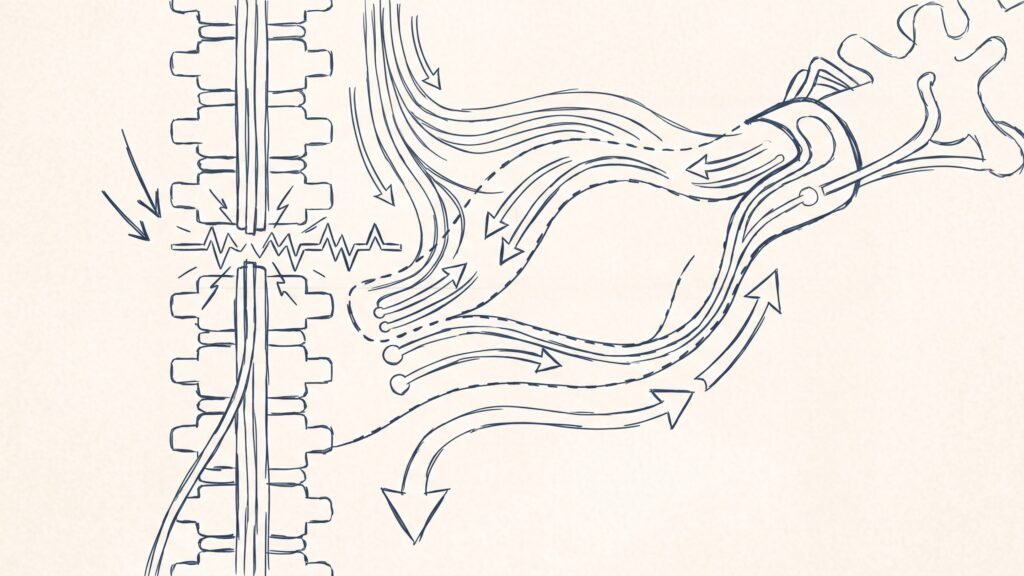
Chronic pain and movement disorders remain difficult to treat because many therapies require invasive surgery, implanted hardware, or long term medication that may not provide consistent relief. Researchers at NYU Abu Dhabi and Cleveland Clinic Abu Dhabi have developed an […]

Injectable Wireless Device Offers New Approach for Treating Chronic Pain and Movement Disorders Read More »

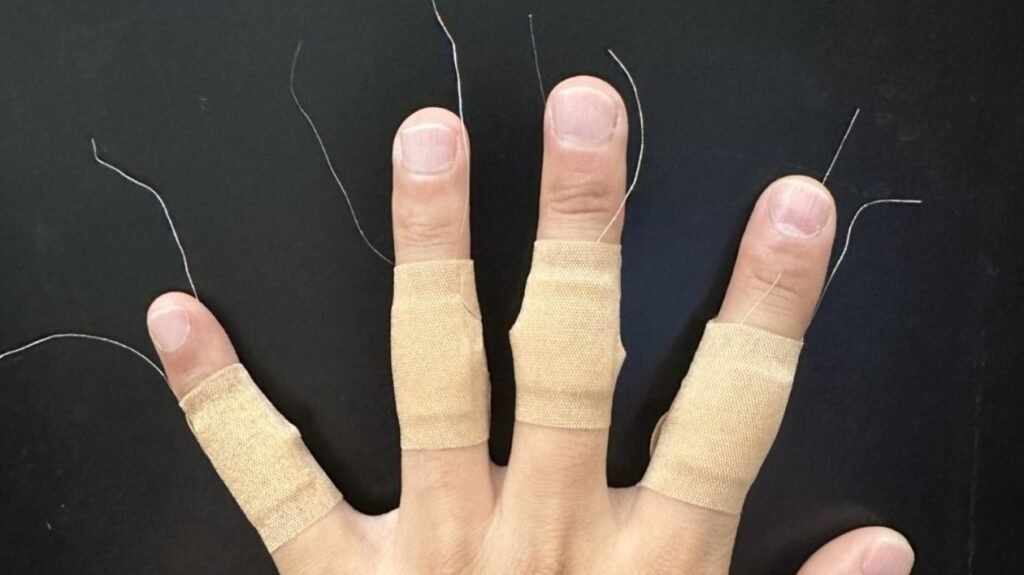
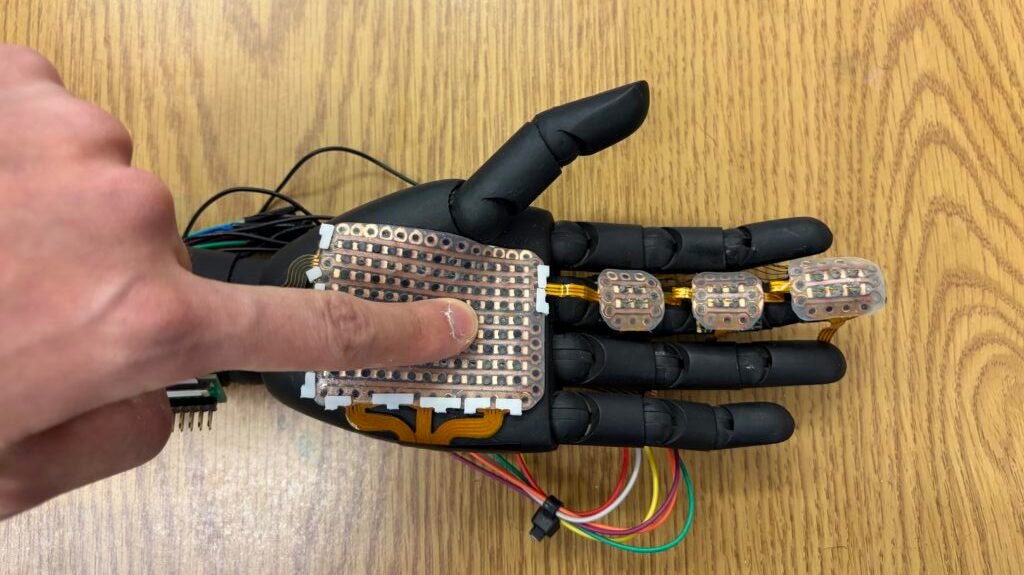
Wearable Hand Sensors Improve Stroke Rehabilitation by Tracking Real World Recovery

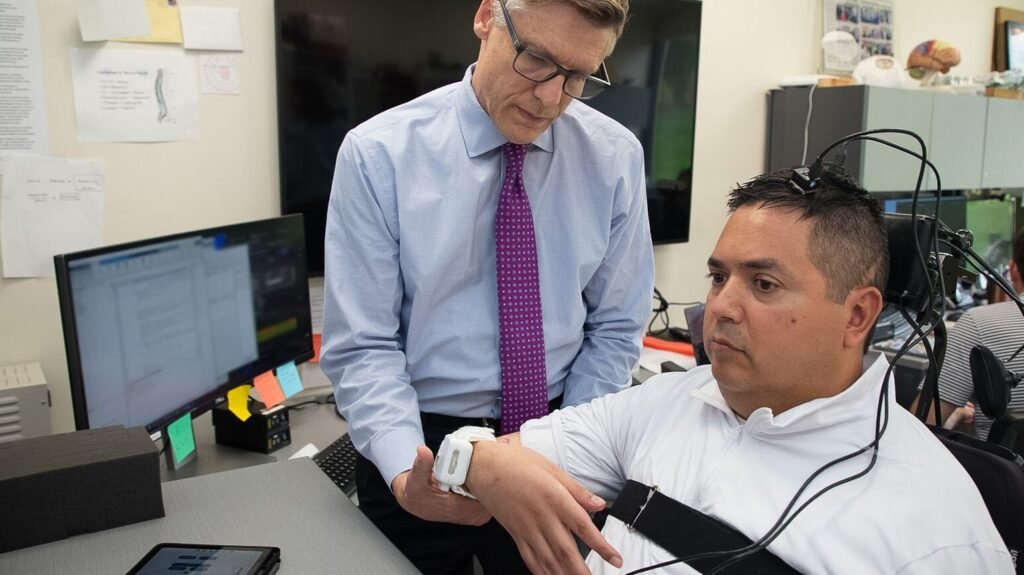
Stroke survivors often struggle to regain hand function because traditional rehabilitation tools cannot capture how the hand is used in daily life. Researchers at the University of Houston have developed wearable sensors that measure hand movement continuously, providing clinicians with

Wearable Hand Sensors Improve Stroke Rehabilitation by Tracking Real World Recovery Read More »

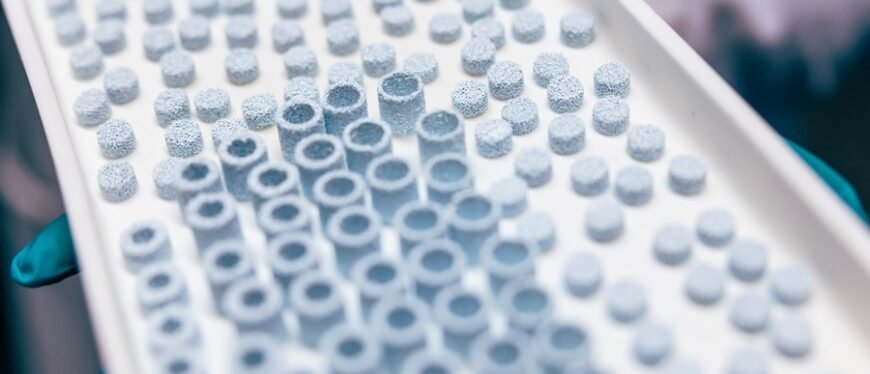
3D Printed Ceramic Bone Implants Mimic Natural Bone Structure for Personalized Reconstruction

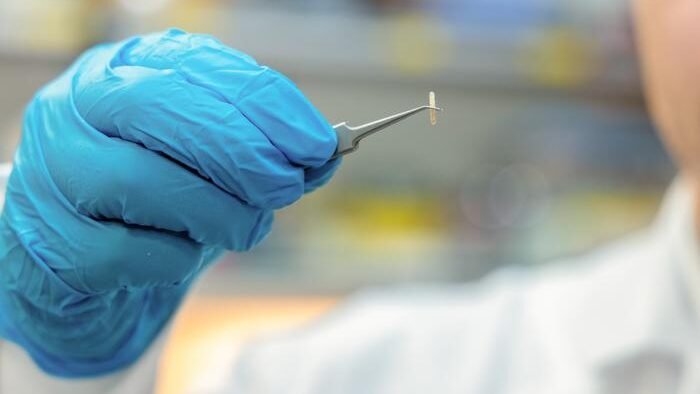
Bone reconstruction remains difficult when large defects occur, because current implants often fail to match the mechanical behavior and biological complexity of natural bone. Researchers at Tampere University in Finland are working to solve this problem by developing 3D printed

3D Printed Ceramic Bone Implants Mimic Natural Bone Structure for Personalized Reconstruction Read More »

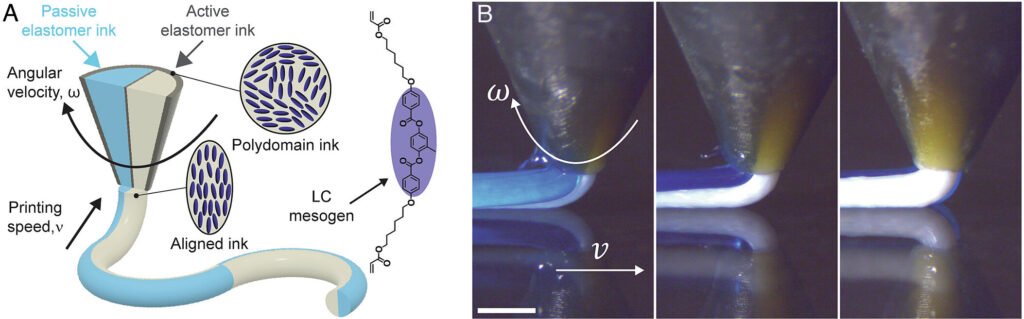
3D Printed Artificial Muscles Bend and Twist on Demand Using Nature Inspired Design

Soft robots and biomedical devices often struggle to achieve the complex, coordinated motions that biological muscles perform with ease. Traditional synthetic actuators can contract or expand, but they rarely bend, twist, and coil in controlled ways. Researchers at Harvard University’s

3D Printed Artificial Muscles Bend and Twist on Demand Using Nature Inspired Design Read More »

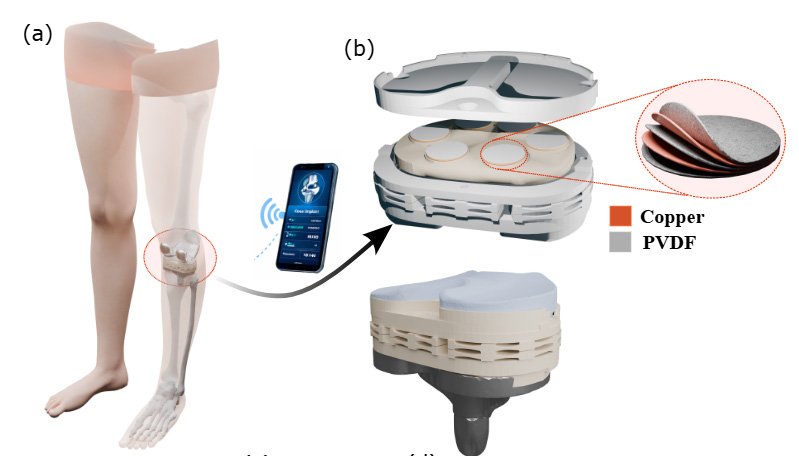
Smart Knee Implants Move Closer to Reality With Self‑Powered Sensors That Track Joint Problems

Knee replacements are meant to last a lifetime, yet many patients still face complications like joint loosening or imbalance that often go unnoticed until the damage is severe. With nearly 800,000 knee replacements performed each year in the United States

Smart Knee Implants Move Closer to Reality With Self‑Powered Sensors That Track Joint Problems Read More »

Lightweight Robotic Exoskeleton Helps Stroke Survivors Regain a More Natural Walking Pattern

Engineers at the University of Utah have introduced a lightweight robotic exoskeleton designed to help stroke survivors walk with greater stability and symmetry, addressing one of the most persistent challenges in post‑stroke rehabilitation. Many individuals who experience a stroke develop

Lightweight Robotic Exoskeleton Helps Stroke Survivors Regain a More Natural Walking Pattern Read More »

Smart Chipped Shoe Tracks Gait and Balance to Support Older Adults With Mobility Challenges

A new invention from a University of Bristol scientist introduces a sensor‑rich shoe designed to monitor gait, balance, and mobility in older adults, inspired by the needs of the researcher’s own 89‑year‑old mentor. The project began when Professor Dave Bull

Smart Chipped Shoe Tracks Gait and Balance to Support Older Adults With Mobility Challenges Read More »

Lightweight Mechanical Brace Reduces Involuntary Hand Tremors Without Motors or Batteries

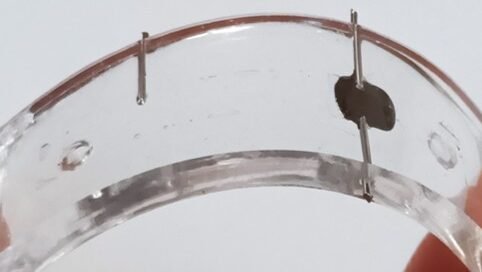
A research team at the University of British Columbia Okanagan has developed a lightweight wearable brace designed to reduce involuntary hand tremors associated with neurological conditions such as Parkinson’s disease. Hand tremors affect millions of people worldwide and can interfere

Lightweight Mechanical Brace Reduces Involuntary Hand Tremors Without Motors or Batteries Read More »

Hydrogel Brain Models Advance Force Measurement in Traumatic Brain Injury Research

A research team at Virginia Commonwealth University is developing highly realistic hydrogel based rat brain models to better understand how physical forces travel through brain tissue during traumatic events. This work focuses on the physics of traumatic brain injury, an

Hydrogel Brain Models Advance Force Measurement in Traumatic Brain Injury Research Read More »

Scroll to Top