Dermatology

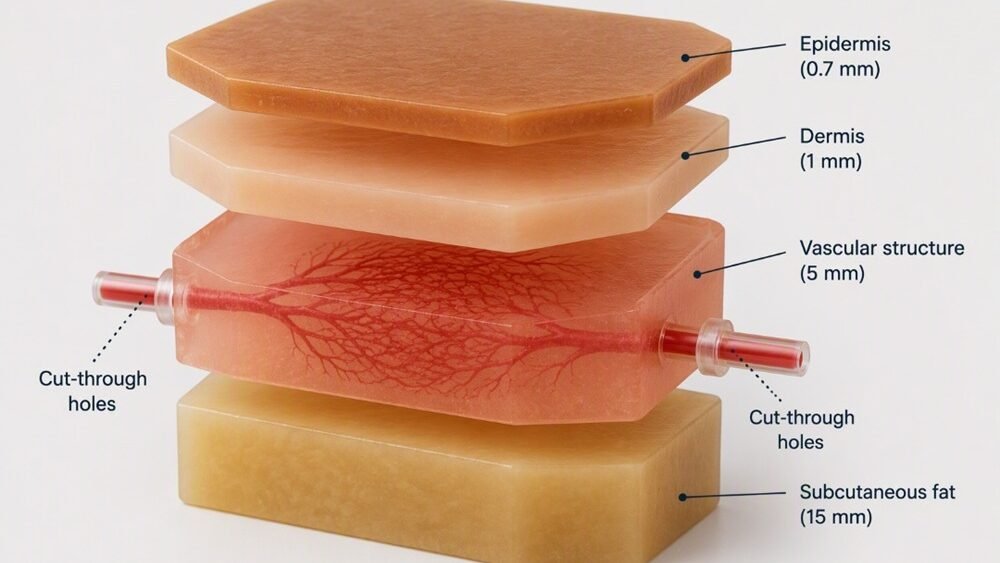
Skin‑Like Optical Phantoms Improve Testing of Medical Devices Across All Skin Tones

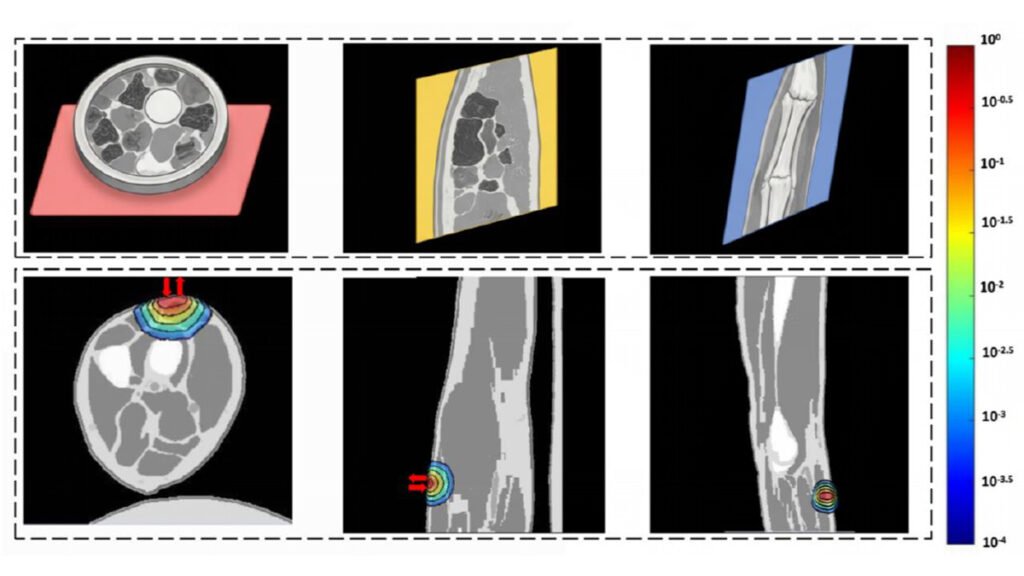
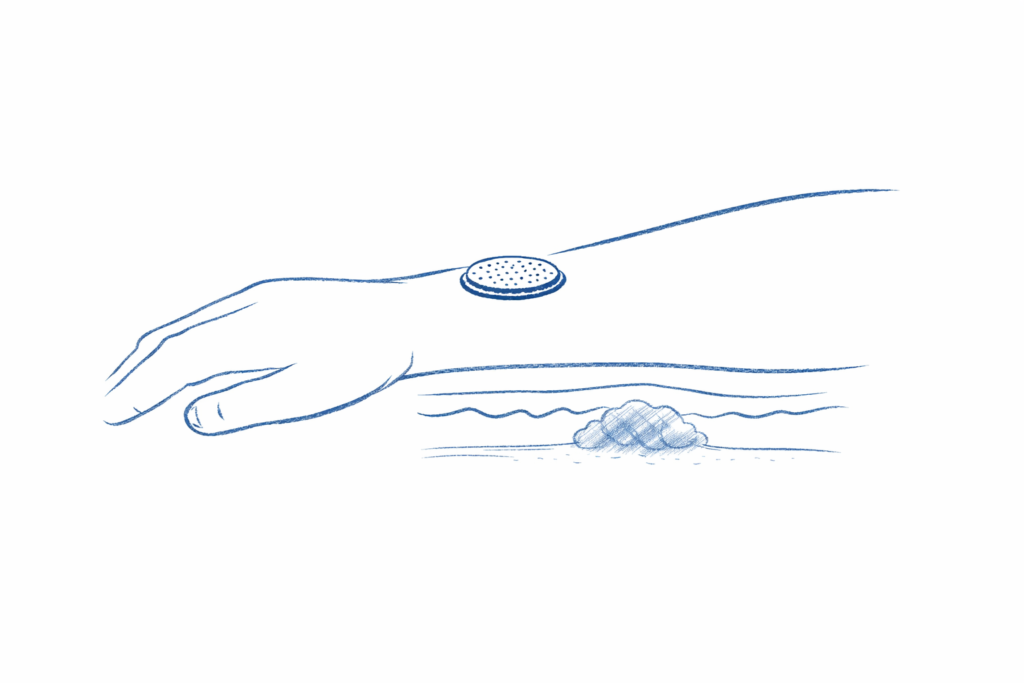
Many medical devices that rely on light, such as pulse oximeters and wearable health sensors, struggle to perform consistently across different skin tones. Darker skin contains more melanin, which absorbs and scatters light, making it harder for optical devices to […]

Skin‑Like Optical Phantoms Improve Testing of Medical Devices Across All Skin Tones Read More »
Plant‑Based Wound Dressing Delivers Antibiotics Before Infection Takes Hold

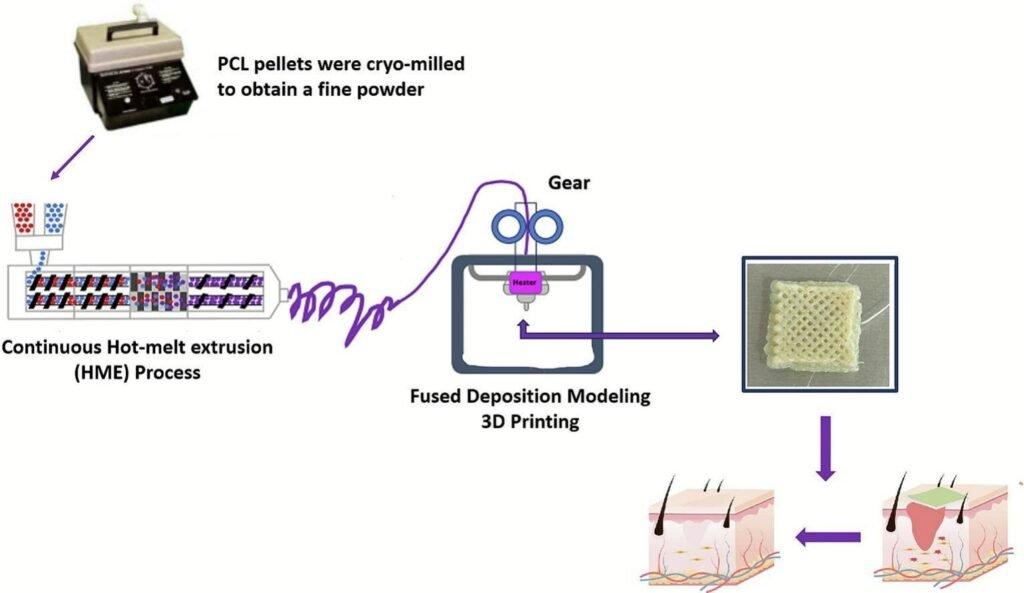
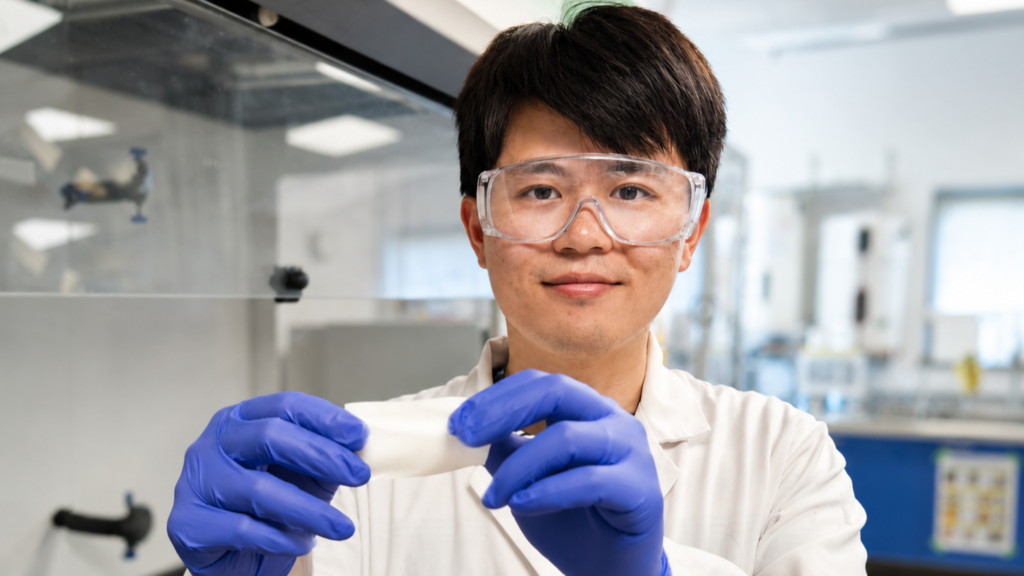
Wound infections often begin quietly, with bacteria entering a fresh injury and forming a protective biofilm within hours. Once this biofilm develops, infections become much harder to treat and can slow healing significantly. Researchers at the University of Bath have

Plant‑Based Wound Dressing Delivers Antibiotics Before Infection Takes Hold Read More »

Ultrasound‑Activated Microparticles Provide a New Approach to Wound Cleaning

Cleaning wounds and surgical instruments is often difficult because bacteria and debris often cling to surfaces that are hard to reach with conventional methods. Researchers at the University of Illinois Urbana‑Champaign have developed a new approach that uses tiny microparticles

Ultrasound‑Activated Microparticles Provide a New Approach to Wound Cleaning Read More »

Infrared Hydration Index Offers More Reliable At‑Home Monitoring for Atopic Dermatitis

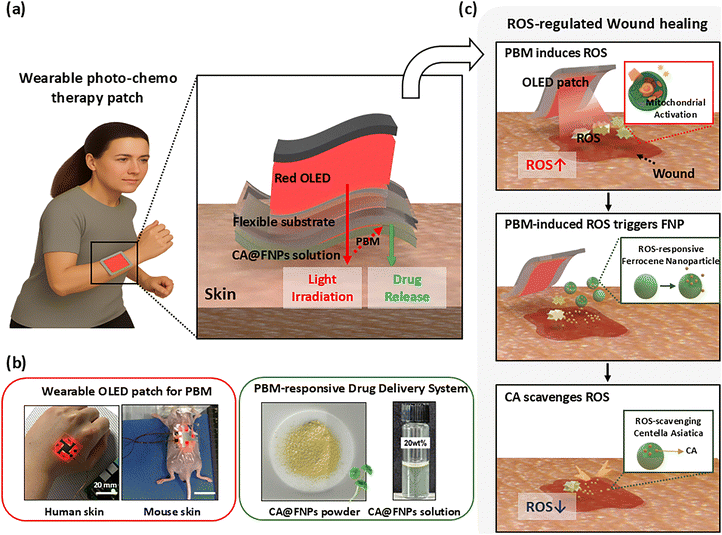
Managing atopic dermatitis is difficult because skin hydration fluctuates with temperature, daily conditions and treatment responses, yet most tools for assessing hydration are superficial and inconsistent. Researchers have developed a near‑infrared optical system paired with a temperature‑aware algorithm that provides

Infrared Hydration Index Offers More Reliable At‑Home Monitoring for Atopic Dermatitis Read More »

New Diabetic Wound Treatment Uses Engineered Human Cells to Build Regenerative Skin Structures

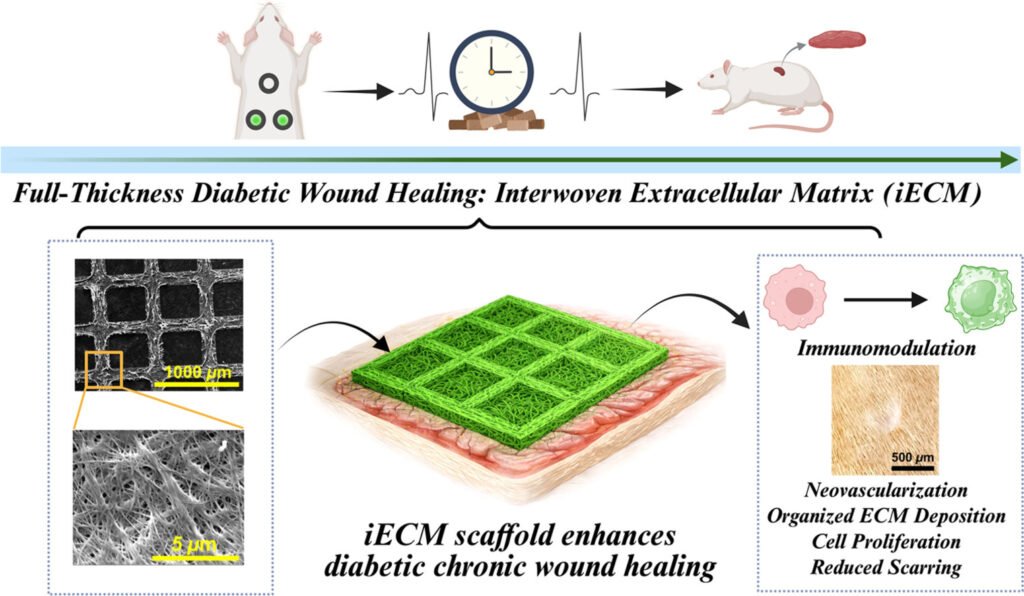
Chronic diabetic ulcers remain one of the most stubborn and devastating complications of diabetes, and many patients face years of pain as poor circulation and chronic inflammation prevent wounds from closing. More than 40 million people in the United States

New Diabetic Wound Treatment Uses Engineered Human Cells to Build Regenerative Skin Structures Read More »

Scroll to Top