Infectious Diseases

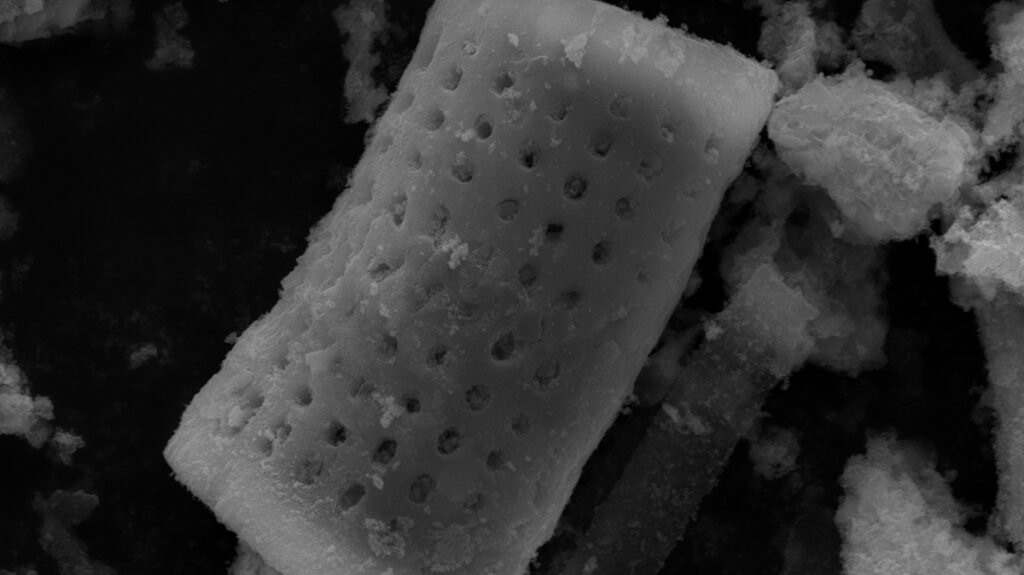
Polymer Bristles Offer a New Way to Keep Medical Surfaces Free of Proteins and Germs

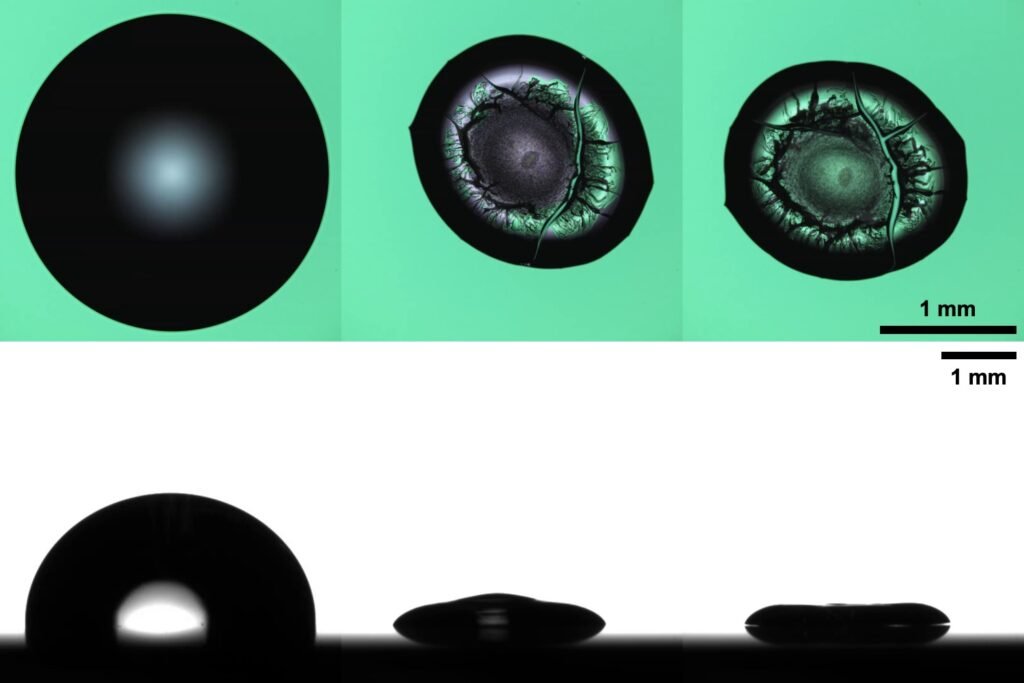
Hospitals struggle with surfaces that attract proteins and germs, creating a pathway for infections that threaten vulnerable patients. Even with strict cleaning protocols, many materials used in medical devices and clinical environments allow biological residue to stick, which can help […]

Polymer Bristles Offer a New Way to Keep Medical Surfaces Free of Proteins and Germs Read More »

Miniature Laser Chip Enables Portable Biosensors That Could Bring Lab Testing Into the Home

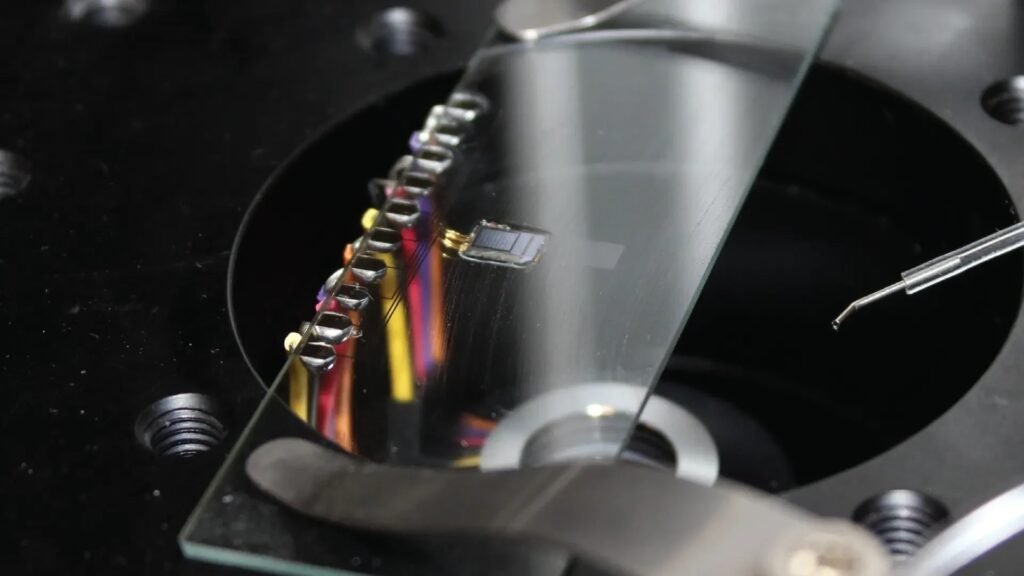
Many diagnostic tests still rely on large optical instruments that sit in centralized laboratories, making it difficult for patients to access rapid, convenient sampling. These systems depend on external lasers, bulky optics, and controlled environments, which limits their use outside

Miniature Laser Chip Enables Portable Biosensors That Could Bring Lab Testing Into the Home Read More »

Low‑Cost AI Microscope Automates Rapid Malaria Diagnosis in Low‑Resource Settings

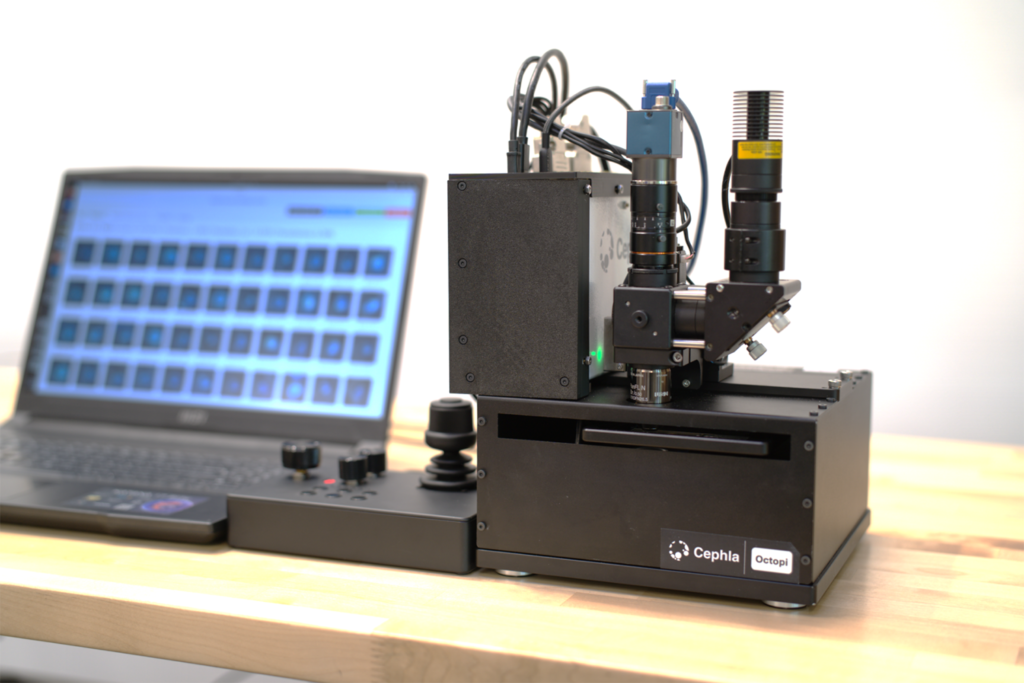
Researchers at Stanford University have developed a low cost, battery or solar powered autonomous microscope called “Octopi” that uses artificial intelligence to diagnose malaria in blood smears with far greater speed and efficiency than manual microscopy. Malaria diagnosis traditionally requires

Low‑Cost AI Microscope Automates Rapid Malaria Diagnosis in Low‑Resource Settings Read More »

Ultra‑Sensitive Single Use Test Strip Enables Early Detection of Disease Biomarkers

La Trobe University researchers have developed an ultra sensitive single use test strip that can detect microRNAs at extremely low concentrations, offering a simpler and more accessible method for early disease diagnosis. MicroRNAs are important biomarkers for conditions such as

Ultra‑Sensitive Single Use Test Strip Enables Early Detection of Disease Biomarkers Read More »

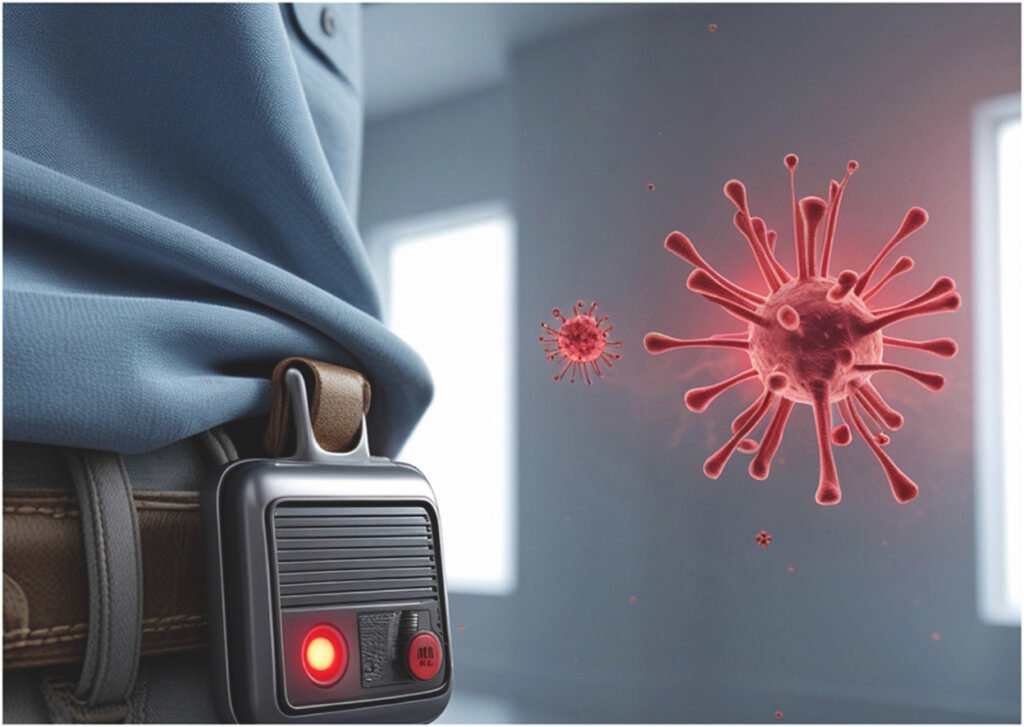
Real-Time Biosensor Detects Airborne Viruses Without Lab Equipment

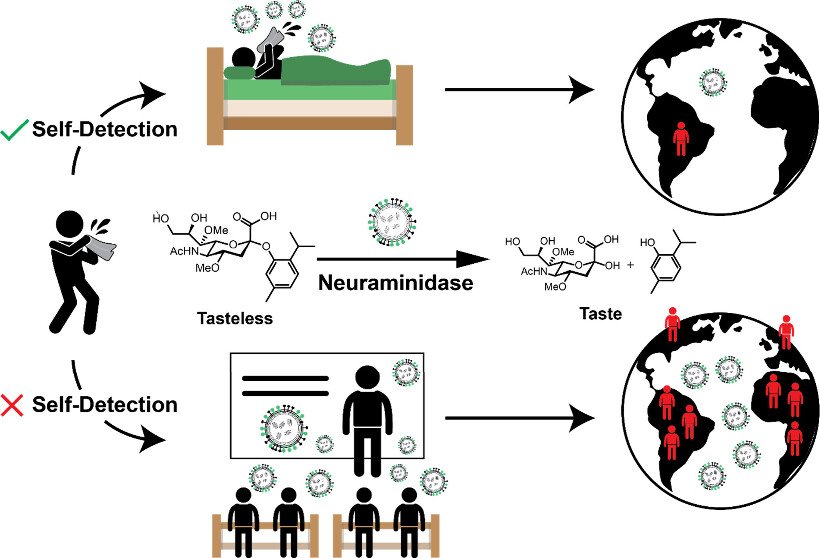
Researchers from Universitat Politècnica de València (UPV) and Universitat de València (UV) have developed a compact biosensor capable of detecting airborne viruses in real time, offering a fast, low-cost alternative to traditional lab-based methods. This innovation could significantly improve public

Real-Time Biosensor Detects Airborne Viruses Without Lab Equipment Read More »

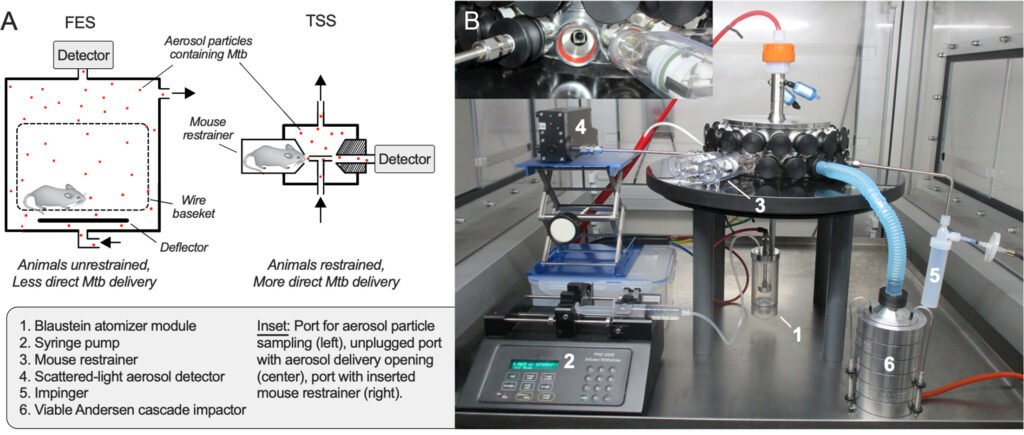
New Simulator Recreates Human Cough to Study and Stop TB Transmission

Tuberculosis (TB) remains the world’s deadliest infectious disease, claiming over a million lives annually. Despite advances in treatment, understanding how TB spreads—especially through airborne droplets—has remained a major challenge. Now, scientists at the Hackensack Meridian Health‘s Center for Discovery and

New Simulator Recreates Human Cough to Study and Stop TB Transmission Read More »

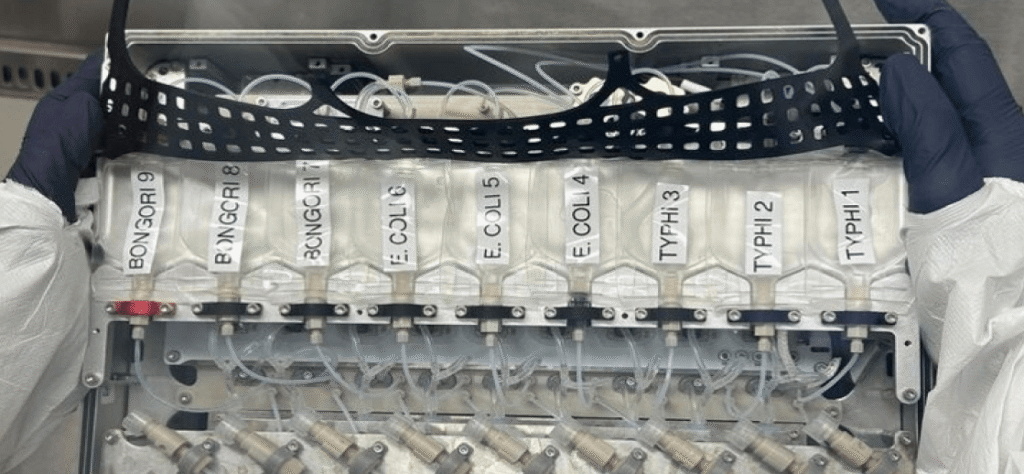
Israeli Scientists Study Bacteria in Space to Improve Infection Treatment

Researchers at Sheba Medical Center in Israel have launched a groundbreaking medical experiment to the International Space Station (ISS) to study how space conditions affect disease-causing bacteria. The project, developed by Sheba’s ARC Innovation Center and Infectious Diseases Research Laboratory

Israeli Scientists Study Bacteria in Space to Improve Infection Treatment Read More »

Scroll to Top