
Oncology

Algae Microbots Improve Drug Delivery for Bladder Cancer Treatment

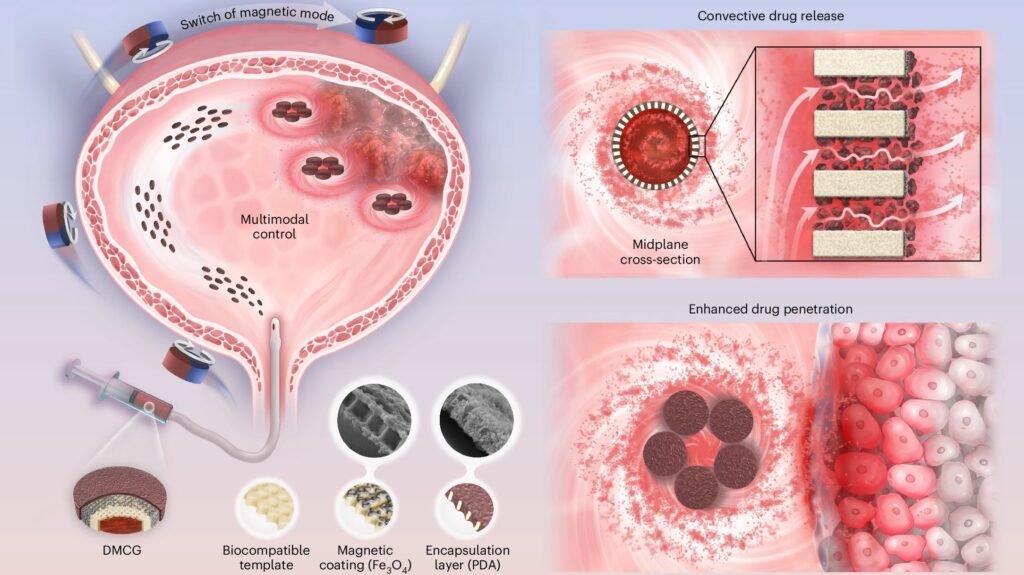
Bladder cancer treatment often falls short because chemotherapy drugs struggle to penetrate deeply into tumor tissue, limiting their effectiveness and requiring longer exposure times or higher doses. Researchers at the University of Edinburgh and Xiamen University have developed algae based […]

Algae Microbots Improve Drug Delivery for Bladder Cancer Treatment Read More »

Nanofiber Based Multidrug Platform Offers New Strategy Against Recurrent Glioblastoma

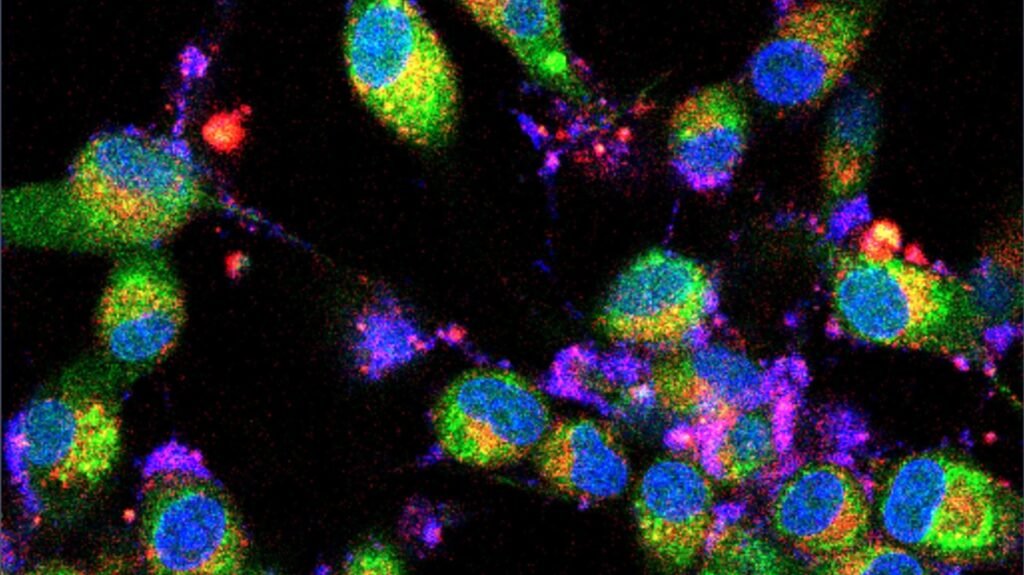
Glioblastoma remains one of the most difficult cancers to treat because its tumor cells adapt quickly and often survive even the most aggressive therapies. Researchers are developing new approaches that can deliver multiple drugs directly to the tumor site in

Nanofiber Based Multidrug Platform Offers New Strategy Against Recurrent Glioblastoma Read More »

Smart Microbubbles Deliver Targeted Therapy for Cancer and Heart Disease

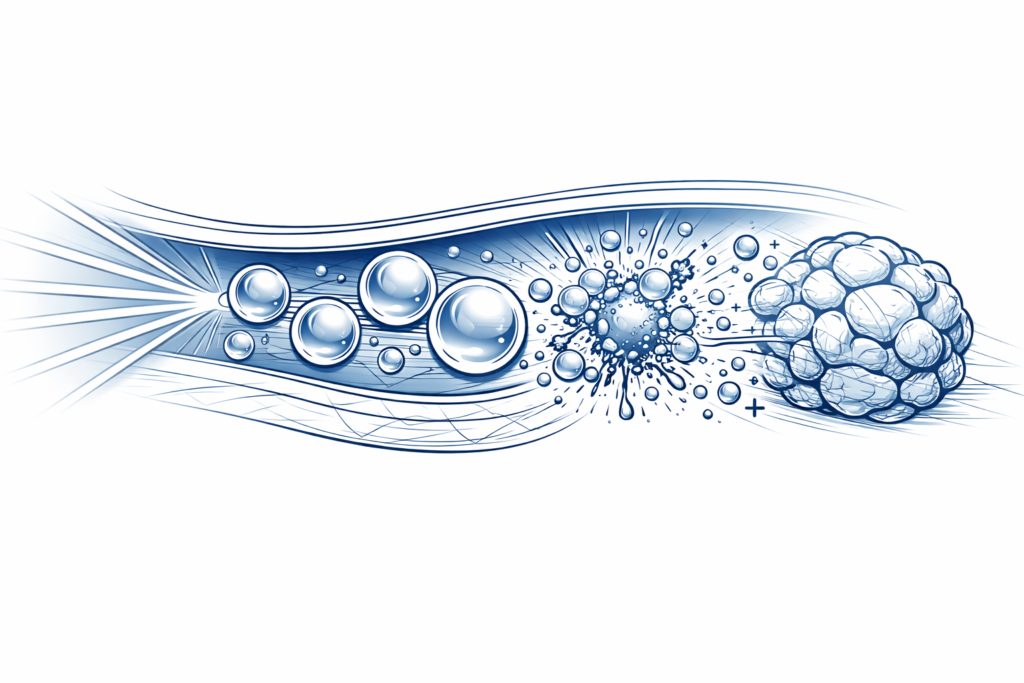
Many treatments for cancer and cardiovascular disease struggle to deliver drugs to the right place without harming healthy tissue. A University of Central Florida researcher has created smart microbubbles that carry therapeutic agents directly to diseased areas and release them

Smart Microbubbles Deliver Targeted Therapy for Cancer and Heart Disease Read More »

Implantable Cytokine Factories Show Early Promise in First Human Trial for Advanced Ovarian Cancer

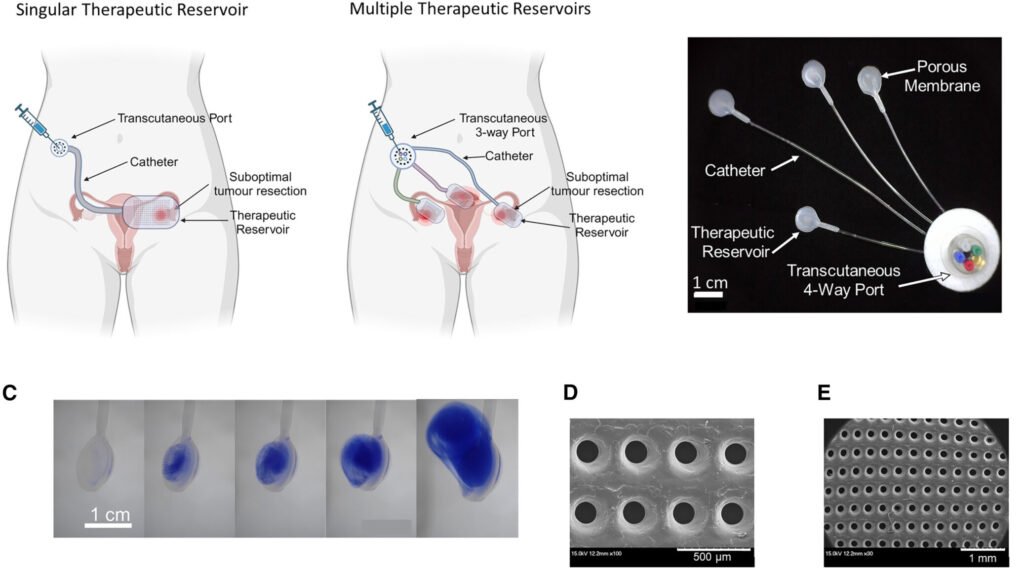
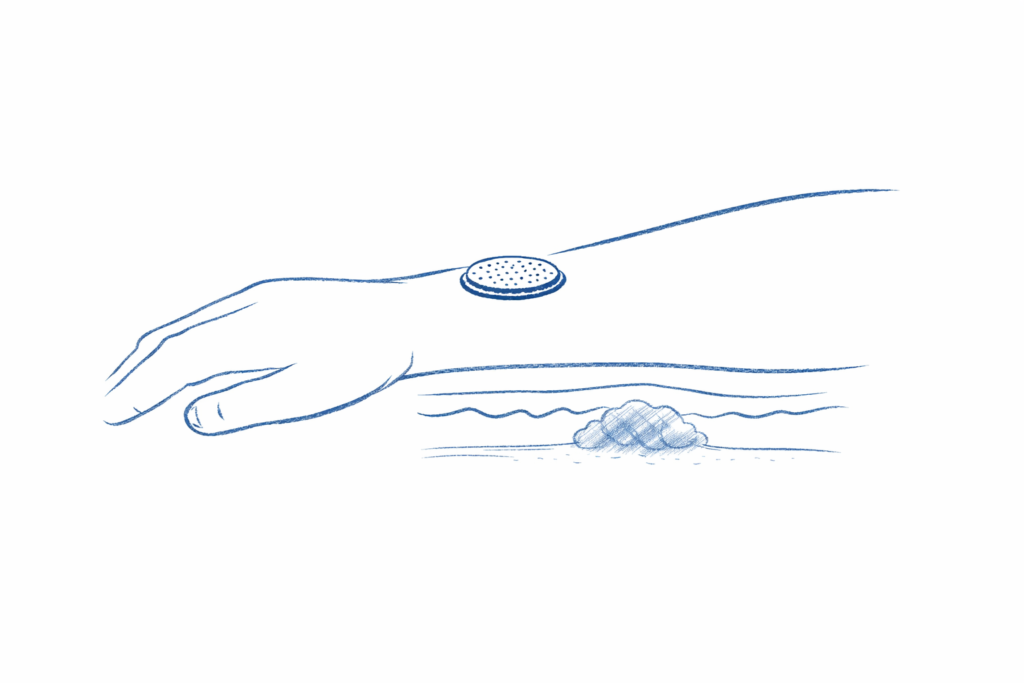
Patients with recurrent ovarian cancer often face limited treatment options because tumors become resistant to chemotherapy and spread throughout the abdominal cavity. Systemic immunotherapies can help some patients, but high dose cytokines such as interleukin 2 are too toxic when

Implantable Cytokine Factories Show Early Promise in First Human Trial for Advanced Ovarian Cancer Read More »

Handheld Probe Maps Cancerous Tissue in Real Time to Guide More Precise Surgery

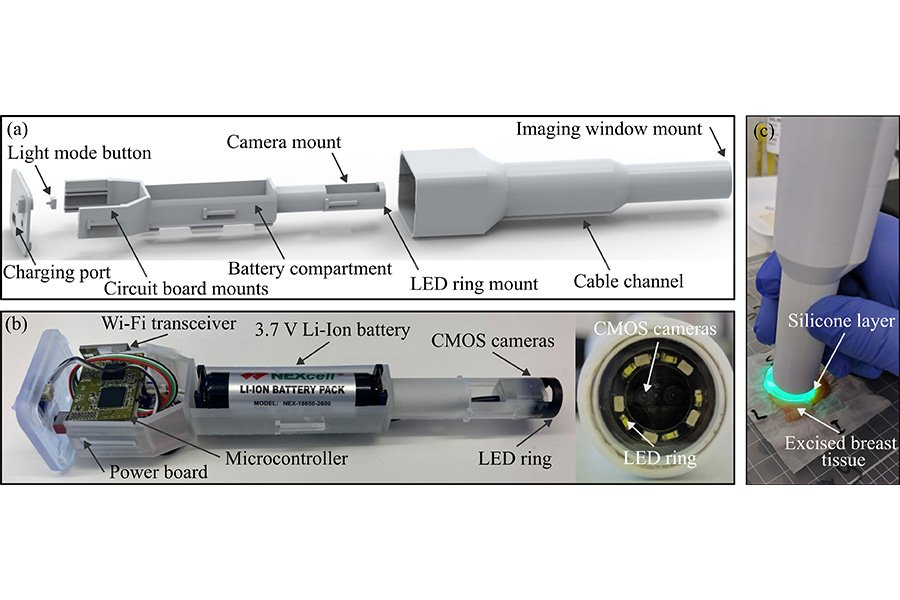
Cancer surgeons often struggle to distinguish healthy tissue from malignant tissue during an operation, and this uncertainty can lead to incomplete tumor removal or unnecessary damage to surrounding structures. A team of researchers has developed a handheld optical probe that

Handheld Probe Maps Cancerous Tissue in Real Time to Guide More Precise Surgery Read More »

Shrimp‑Inspired Camera Helps Surgeons Identify Cancer‑Linked Lymph Nodes More Precisely

Cancer surgery often hinges on a difficult decision. Surgeons must determine which lymph nodes are likely to contain cancer and which should be preserved to avoid long term complications. Existing imaging tools can show where lymph fluid drains, but they

Shrimp‑Inspired Camera Helps Surgeons Identify Cancer‑Linked Lymph Nodes More Precisely Read More »

Scroll to Top