Endocrinology

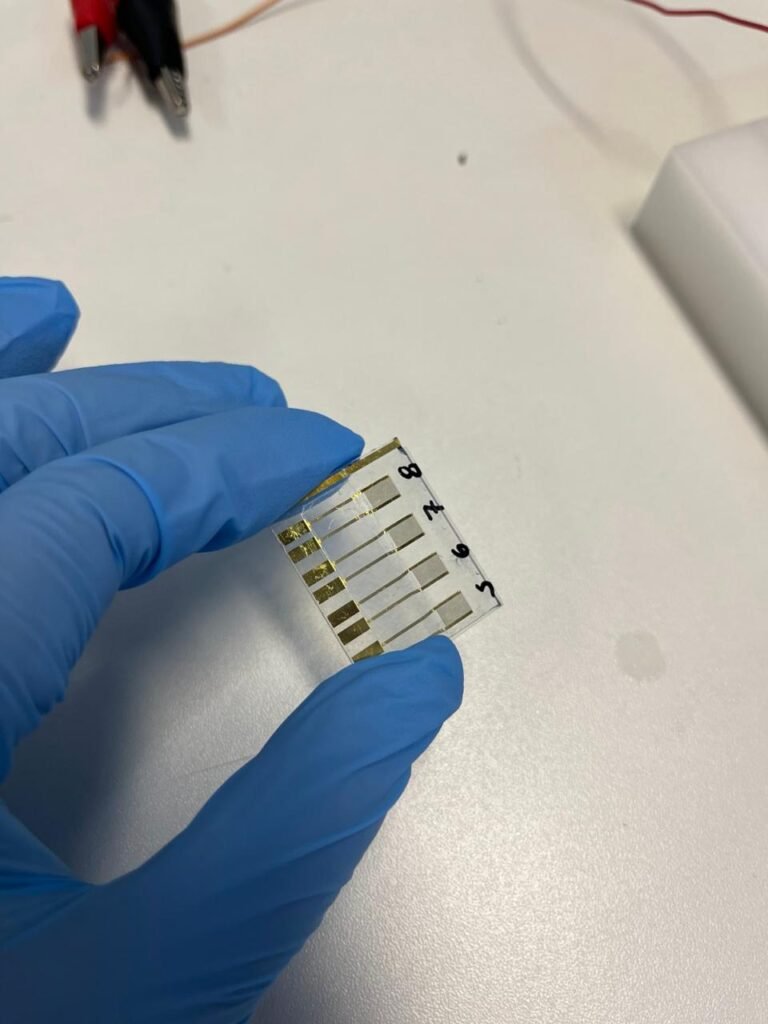
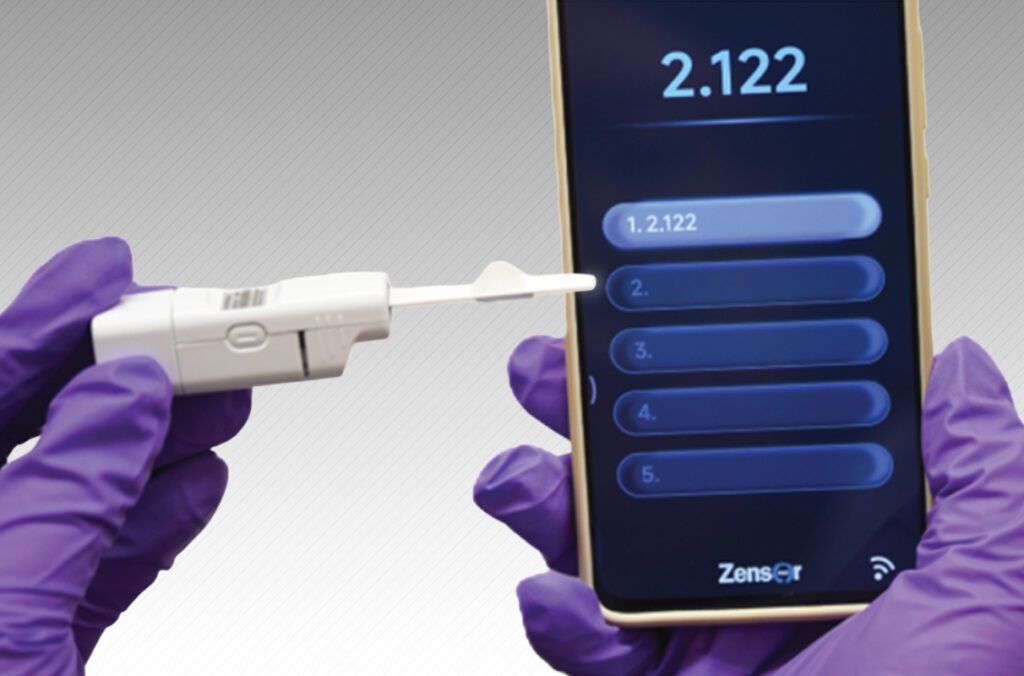
New Electrochemical Biosensor Detects Pancreatic Cancer at Early Stages Using Simple Blood Test

Pancreatic cancer remains one of the deadliest forms of cancer because it rarely causes symptoms until it has already spread. By the time most patients are diagnosed, treatment options are limited and survival rates are extremely low. Researchers at the […]

New Electrochemical Biosensor Detects Pancreatic Cancer at Early Stages Using Simple Blood Test Read More »

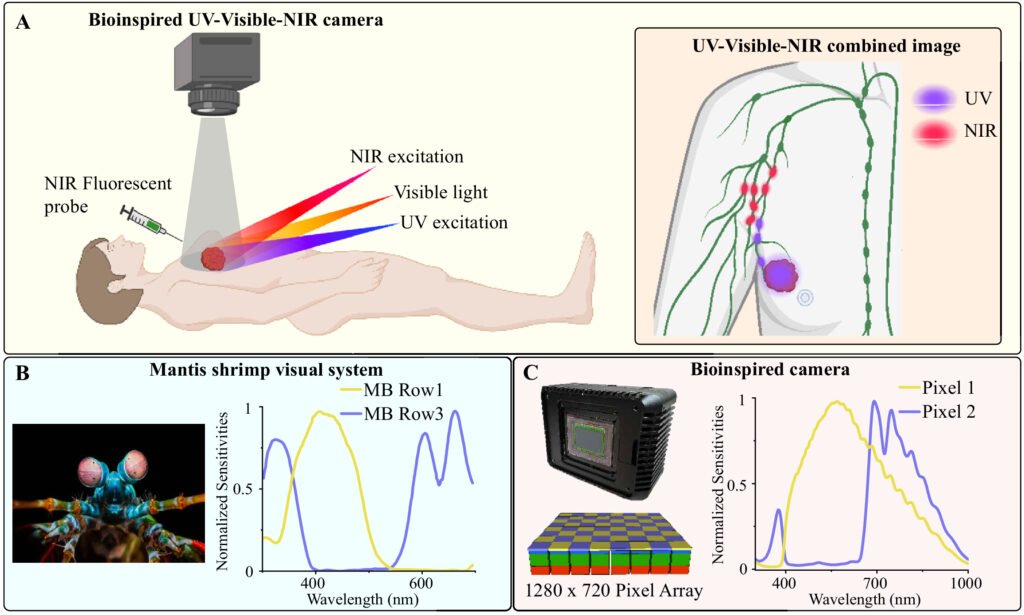
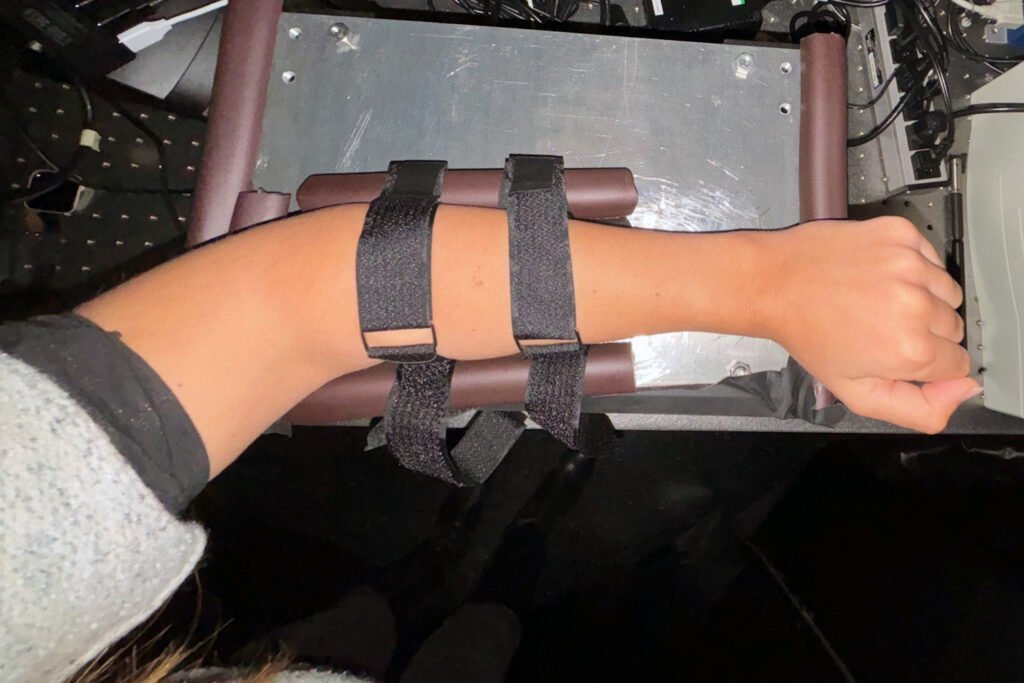
Shrimp‑Inspired Camera Helps Surgeons Identify Cancer‑Linked Lymph Nodes More Precisely

Cancer surgery often hinges on a difficult decision. Surgeons must determine which lymph nodes are likely to contain cancer and which should be preserved to avoid long term complications. Existing imaging tools can show where lymph fluid drains, but they

Shrimp‑Inspired Camera Helps Surgeons Identify Cancer‑Linked Lymph Nodes More Precisely Read More »

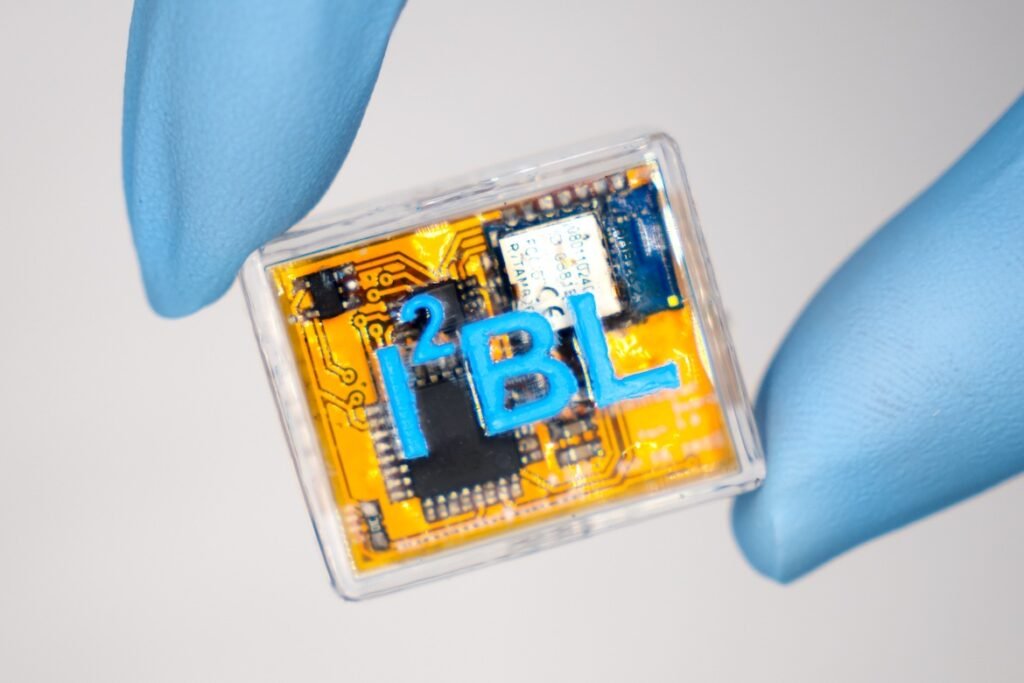
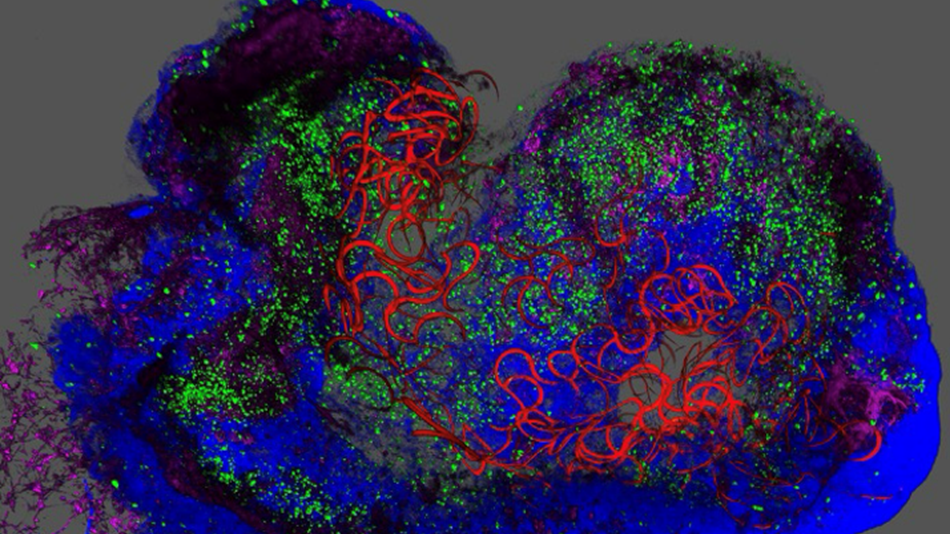
Electronic Mesh Implants Help Lab‑Grown Pancreatic Cells Mature Into Insulin‑Producing Tissue

A new study from the University of Pennsylvania reveals that an ultrathin electronic implant can guide lab‑grown pancreatic cells to mature into fully functional insulin‑secreting tissue, offering a potential path toward next generation cell therapies for diabetes. The research aimed

Electronic Mesh Implants Help Lab‑Grown Pancreatic Cells Mature Into Insulin‑Producing Tissue Read More »

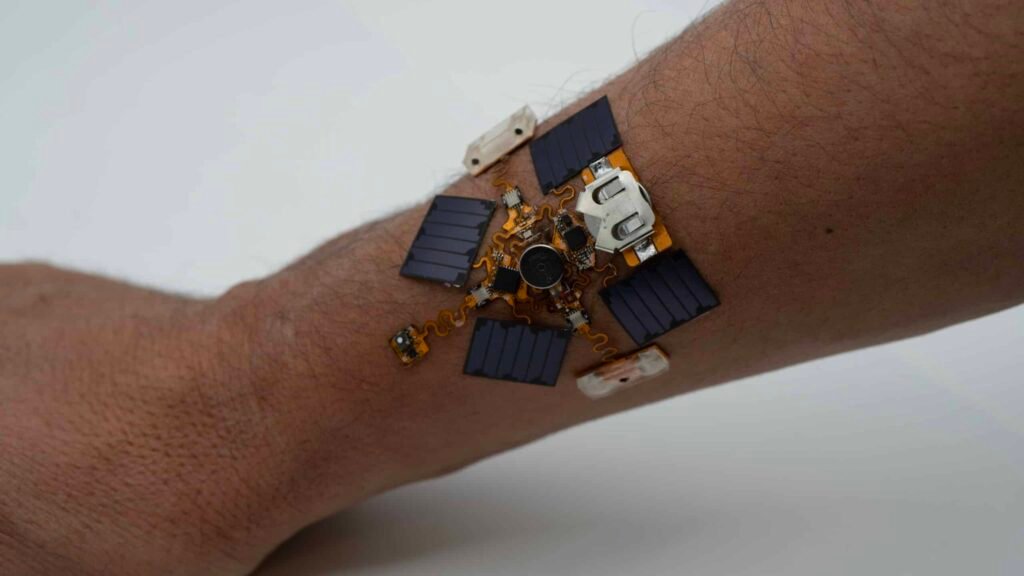
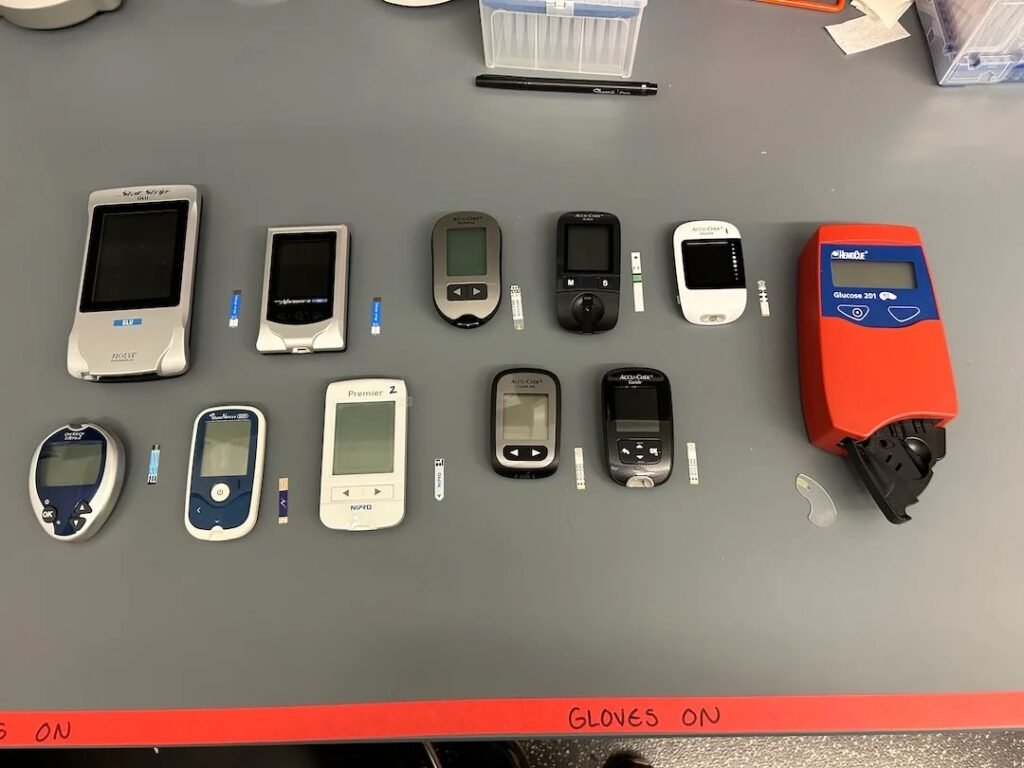
Microneedle Biosensor Improves Wireless Glucose Monitoring for Diabetes Care

Researchers at Washington State University have developed a wearable microneedle‑based biosensor designed to make glucose monitoring more accurate, less invasive, and more cost‑effective for people with diabetes. The device measures glucose in interstitial fluid using tiny hollow microneedles less than

Microneedle Biosensor Improves Wireless Glucose Monitoring for Diabetes Care Read More »

Scroll to Top