Regenerative Medicine

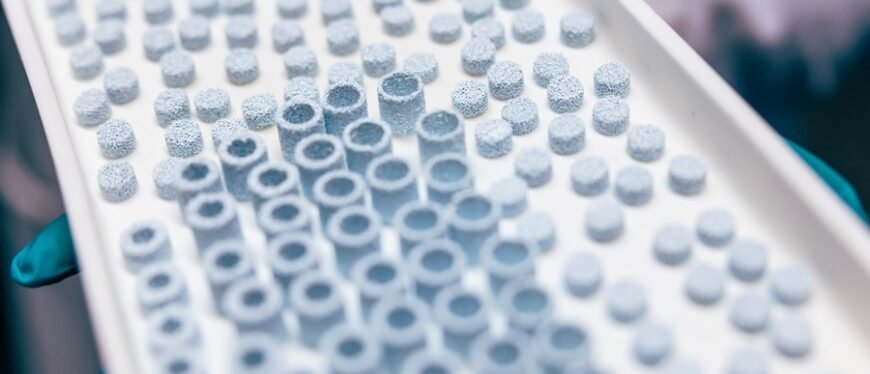
3D Printed Ceramic Bone Implants Mimic Natural Bone Structure for Personalized Reconstruction

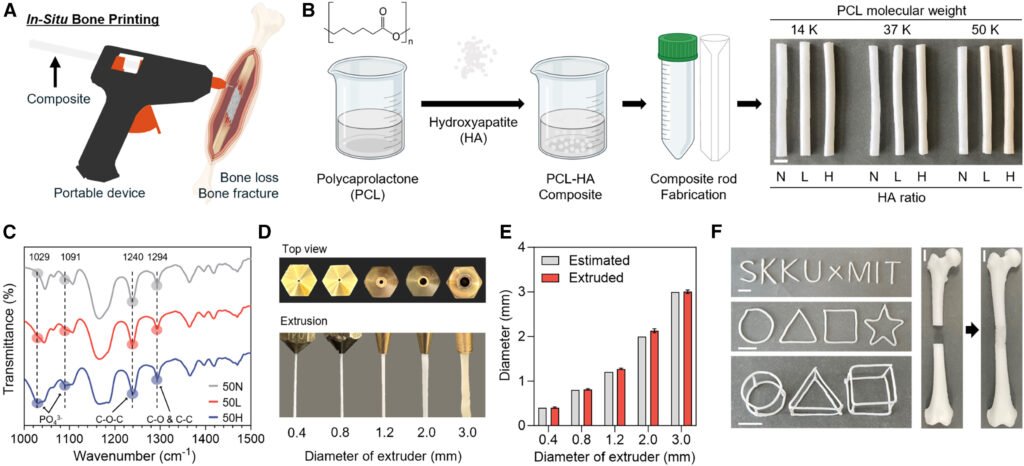
Bone reconstruction remains difficult when large defects occur, because current implants often fail to match the mechanical behavior and biological complexity of natural bone. Researchers at Tampere University in Finland are working to solve this problem by developing 3D printed […]

3D Printed Ceramic Bone Implants Mimic Natural Bone Structure for Personalized Reconstruction Read More »

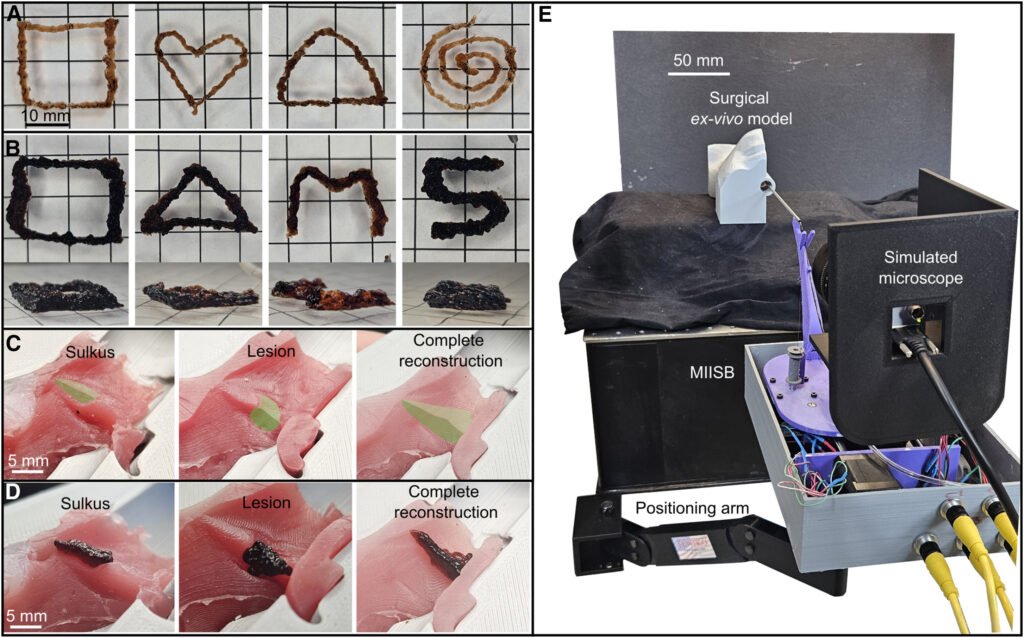
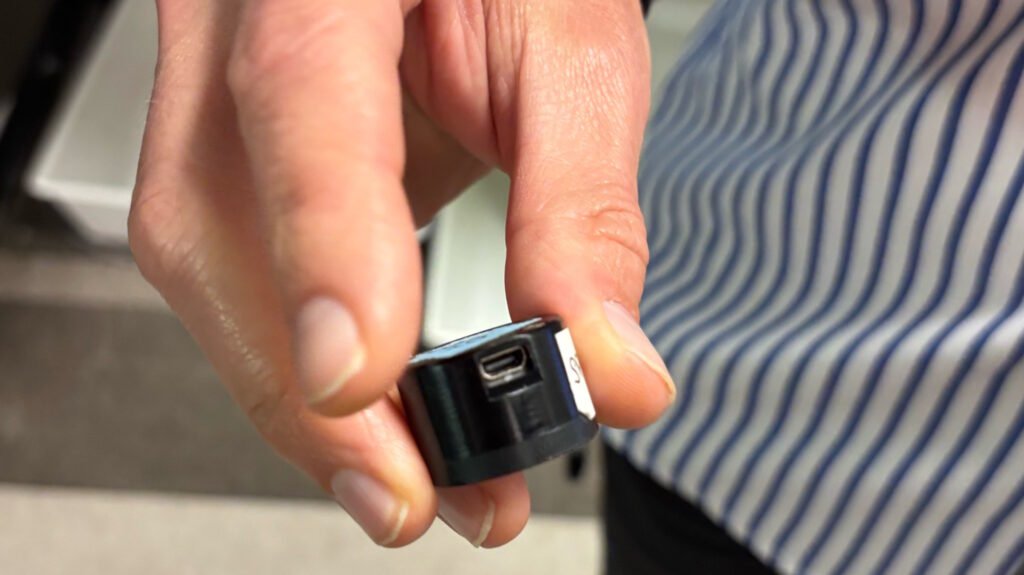
Tiny 3D Bioprinter Repairs Vocal Cord Tissue During Surgery With Precision Hydrogel Delivery

A miniature bioprinter developed by researchers at McGill University is offering a new way to reconstruct vocal cord tissue during surgery. Designed to deliver healing hydrogels directly to damaged vocal folds, the device measures just 2.7 millimeters across, making it

Tiny 3D Bioprinter Repairs Vocal Cord Tissue During Surgery With Precision Hydrogel Delivery Read More »

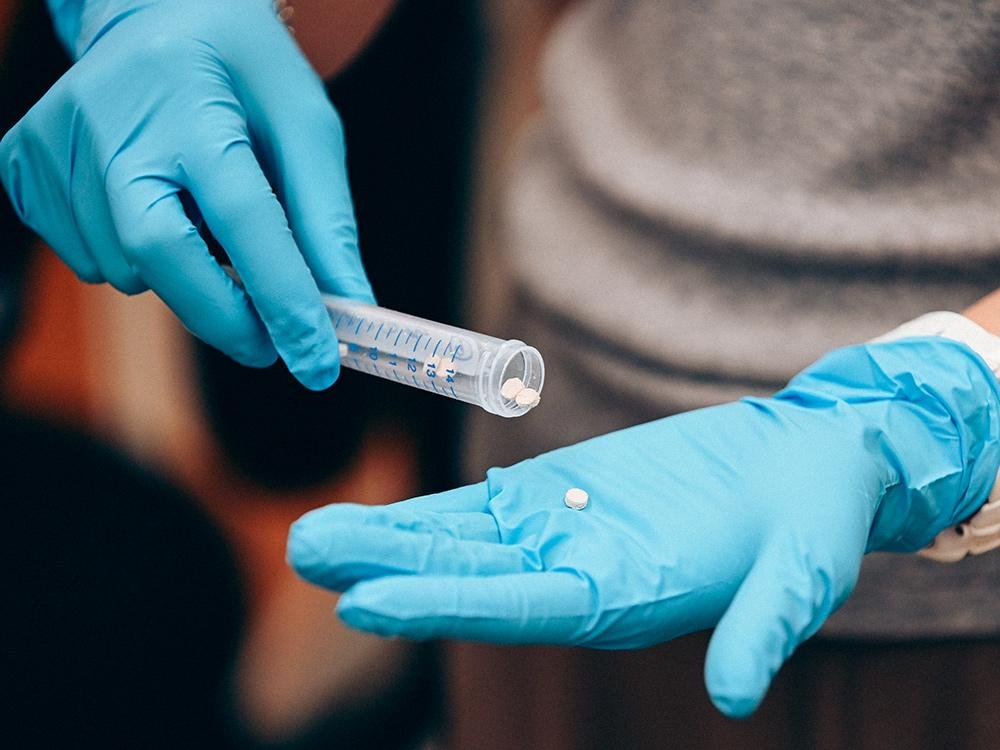
Biodegradable Implant Supercharges Bone Regrowth and Healing

A new material developed at Penn State may significantly improve how broken bones heal, especially in cases involving complex or slow-healing fractures. The innovation, called CitraBoneQMg, is a biodegradable scaffold designed to support rapid bone regeneration while also reducing inflammation

Biodegradable Implant Supercharges Bone Regrowth and Healing Read More »

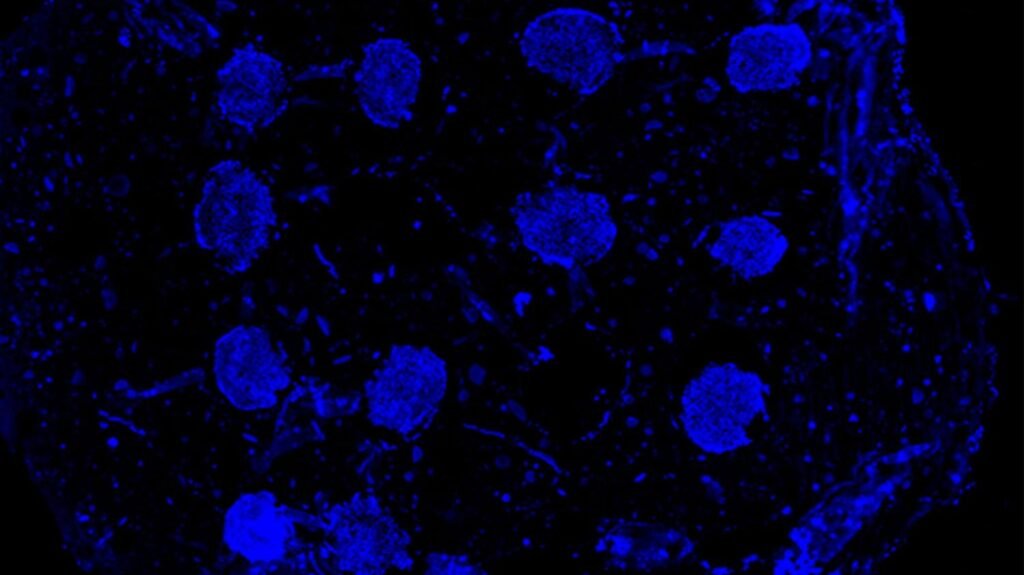
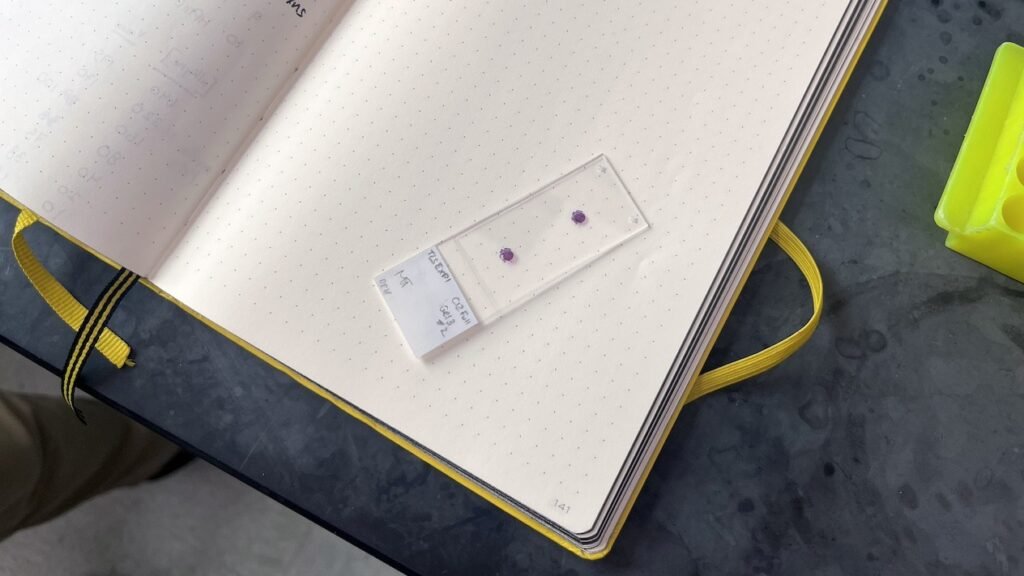
3D-Printed, Living Lung Tissue Developed to Study Respiratory Diseases, Treatments, and Personalized Medicine

Researchers at UBC Okanagan have developed a 3D bioprinted model that closely mimics the complexity of living lung tissue, marking a major advance in how scientists study respiratory diseases and test new treatments. Led by Dr. Emmanuel Osei, the team

3D-Printed, Living Lung Tissue Developed to Study Respiratory Diseases, Treatments, and Personalized Medicine Read More »

MIT’s Tissue-Integrated Prosthesis Restores Natural Movement

MIT researchers have unveiled a new bionic knee system that could redefine prosthetic integration for people with above-the-knee amputations. Unlike traditional socket-based prostheses, which often feel like external tools, this system is anchored directly into the user’s bone and muscle

MIT’s Tissue-Integrated Prosthesis Restores Natural Movement Read More »

Scroll to Top