Orthopedics

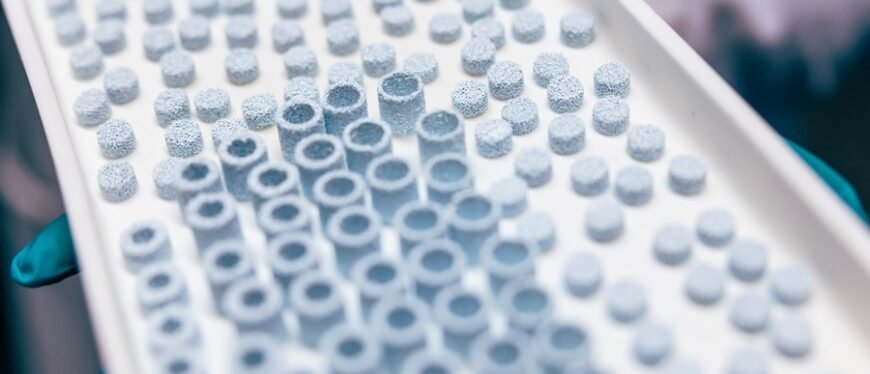
3D Printed Ceramic Bone Implants Mimic Natural Bone Structure for Personalized Reconstruction

Bone reconstruction remains difficult when large defects occur, because current implants often fail to match the mechanical behavior and biological complexity of natural bone. Researchers at Tampere University in Finland are working to solve this problem by developing 3D printed […]
3D Printed Ceramic Bone Implants Mimic Natural Bone Structure for Personalized Reconstruction Read More »

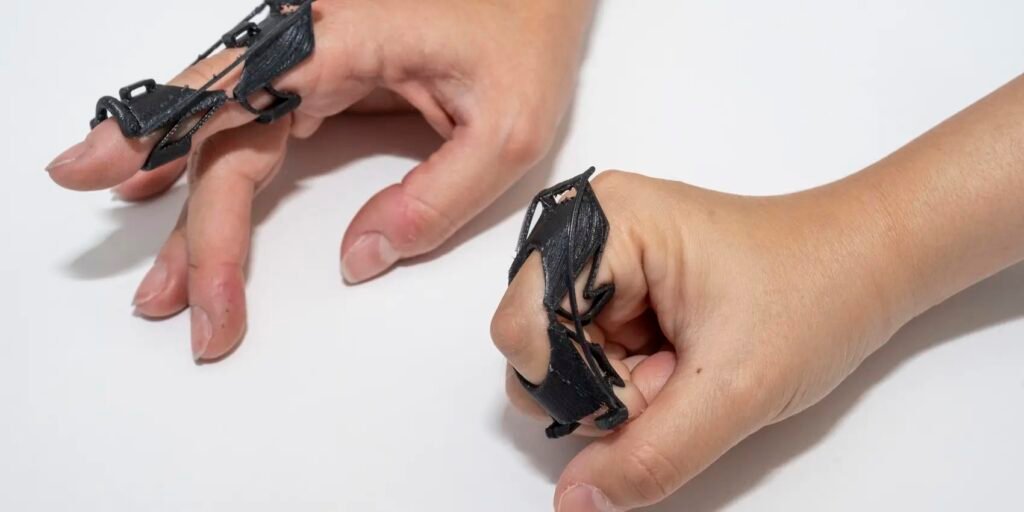
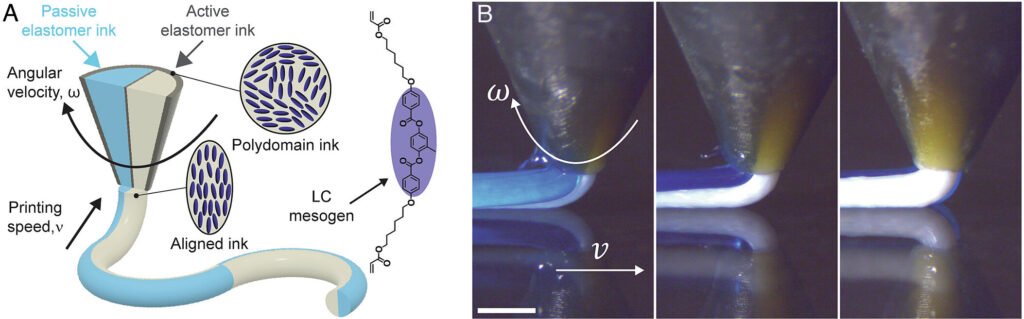
3D Printed Artificial Muscles Bend and Twist on Demand Using Nature Inspired Design

Soft robots and biomedical devices often struggle to achieve the complex, coordinated motions that biological muscles perform with ease. Traditional synthetic actuators can contract or expand, but they rarely bend, twist, and coil in controlled ways. Researchers at Harvard University’s

3D Printed Artificial Muscles Bend and Twist on Demand Using Nature Inspired Design Read More »

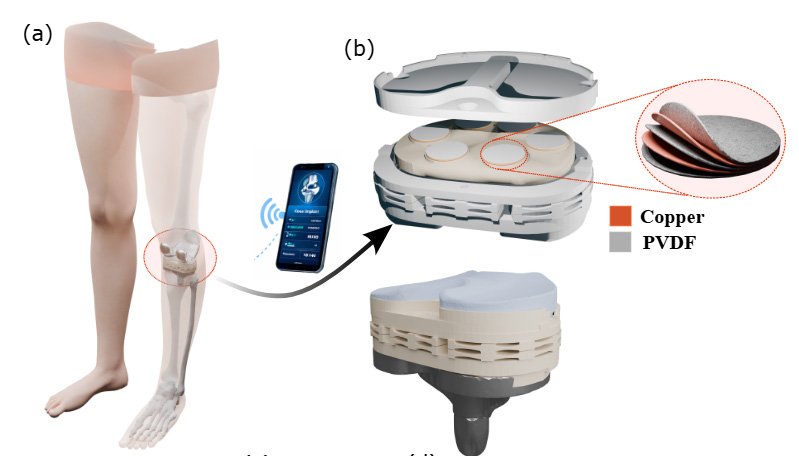
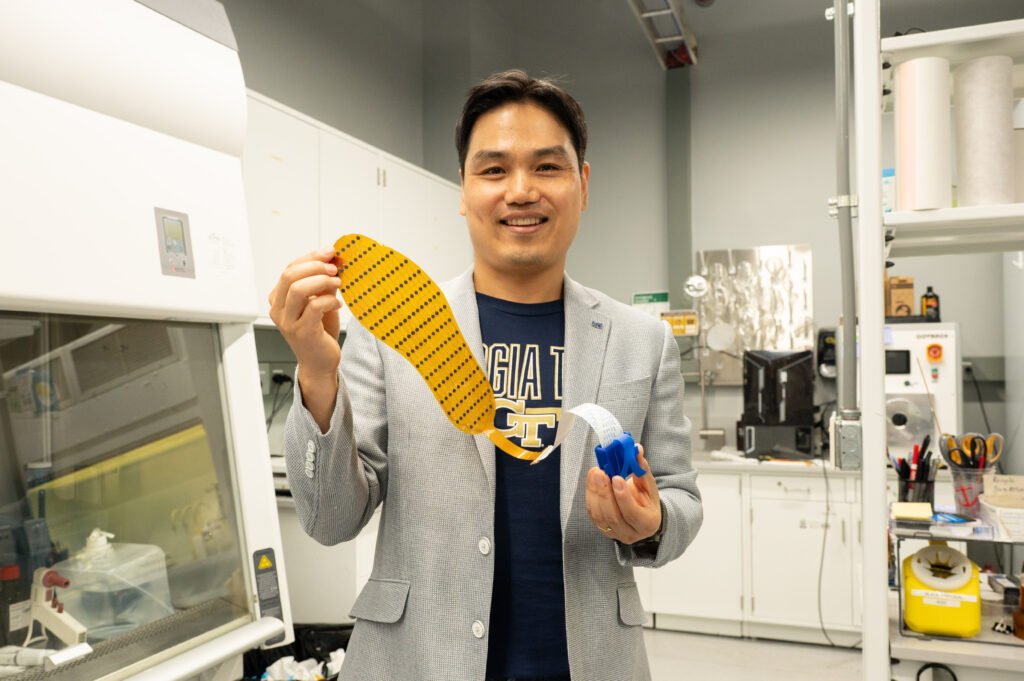
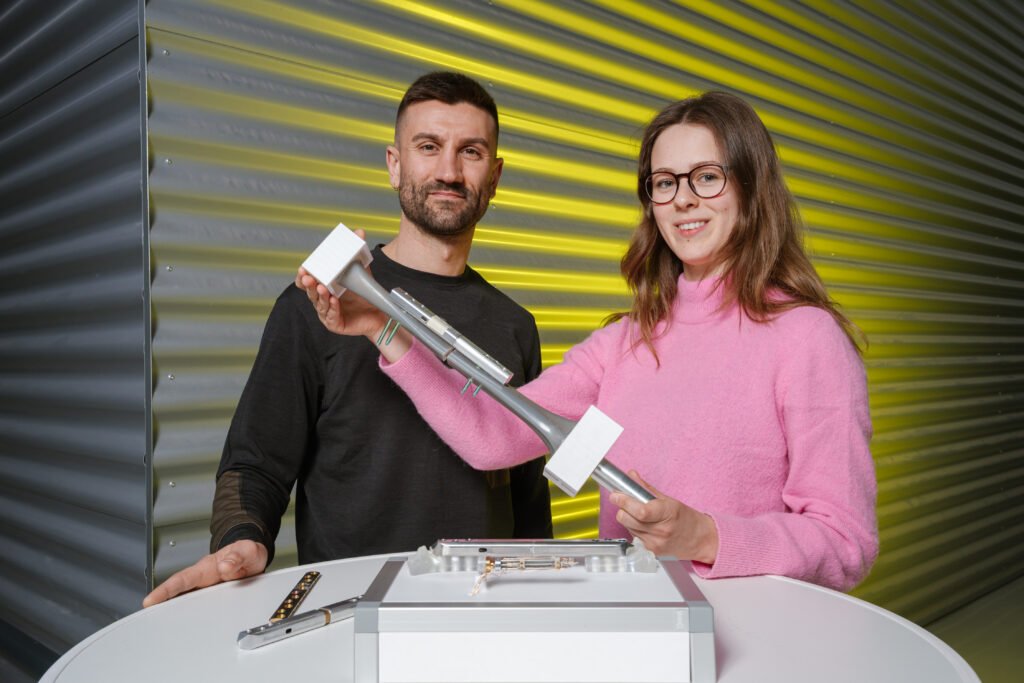
Smart Knee Implants Move Closer to Reality With Self‑Powered Sensors That Track Joint Problems

Knee replacements are meant to last a lifetime, yet many patients still face complications like joint loosening or imbalance that often go unnoticed until the damage is severe. With nearly 800,000 knee replacements performed each year in the United States

Smart Knee Implants Move Closer to Reality With Self‑Powered Sensors That Track Joint Problems Read More »

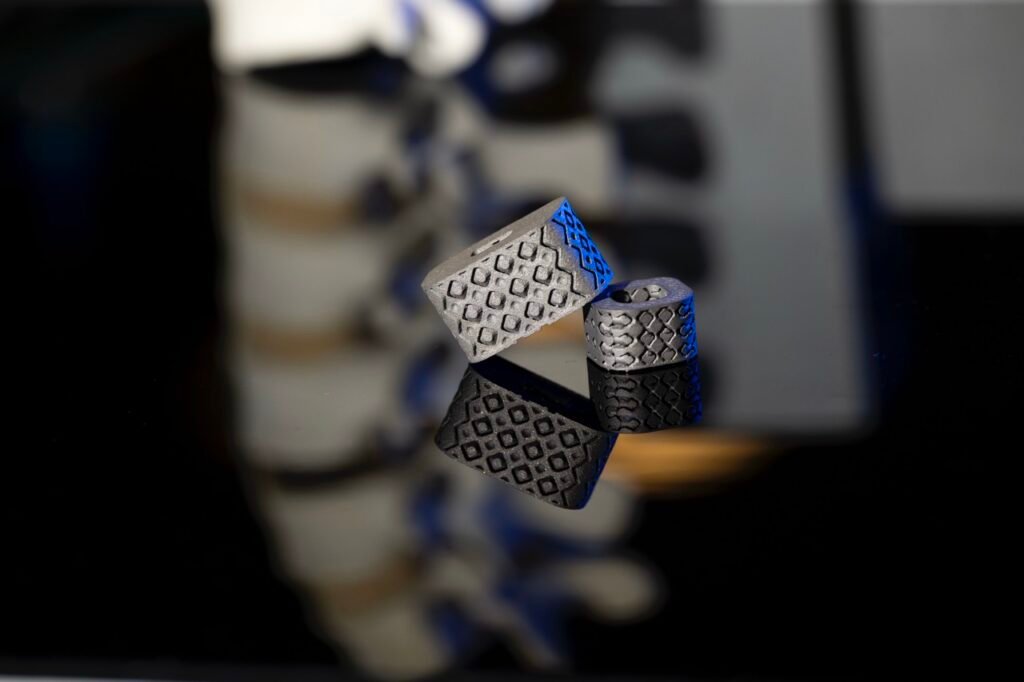
Wireless Metamaterial Spinal Implant Tracks Healing and Reduces Risk After Fusion Surgery

Spinal fusion patients may soon benefit from real-time recovery tracking, thanks to a new wireless implant developed at the University of Pittsburgh. Engineers and surgeons have created a metamaterial-based device that monitors healing from inside the body, transmitting data wirelessly

Wireless Metamaterial Spinal Implant Tracks Healing and Reduces Risk After Fusion Surgery Read More »

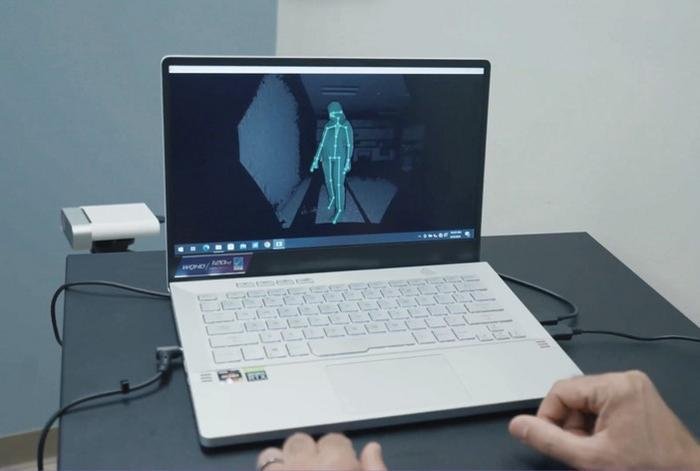
Wearable Foot Sensors and Depth Cameras Match Clinical Standards for Gait Analysis

Researchers at Florida Atlantic University have demonstrated that wearable foot sensors and depth cameras can accurately measure gait in clinical settings, offering a scalable alternative to traditional electronic walkways. This breakthrough could improve how clinicians monitor mobility, detect fall risk,

Wearable Foot Sensors and Depth Cameras Match Clinical Standards for Gait Analysis Read More »

Scroll to Top