Neurosurgery

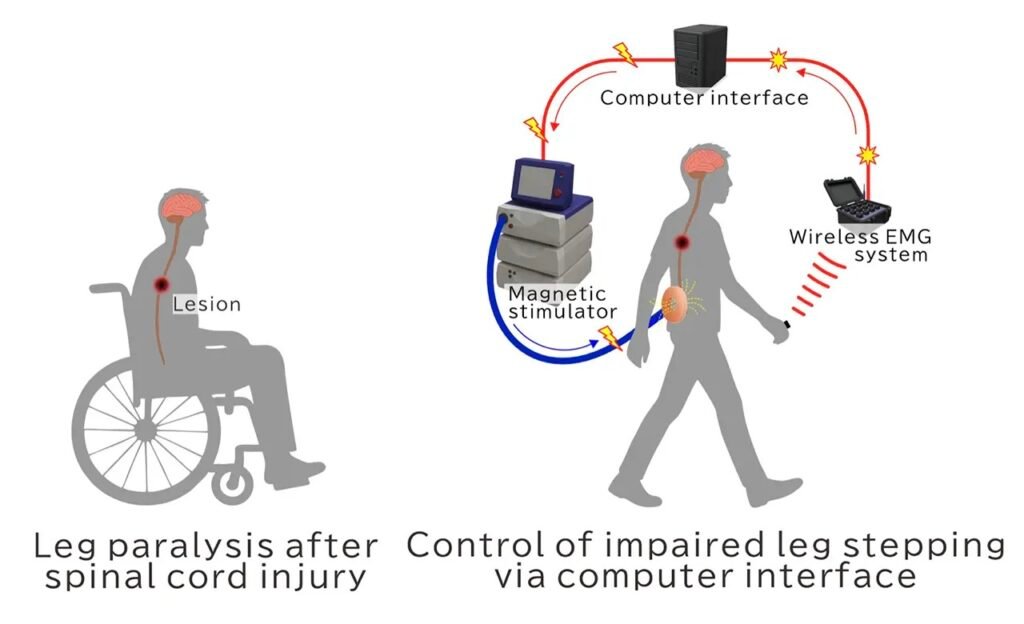
Noninvasive Spinal Stimulation Helps Restore Stepping in Paralysis

Researchers at the Tokyo Metropolitan Institute of Medical Science have shown that noninvasive spinal stimulation can help people with chronic spinal cord injury regain stepping movements. The system links signals from the hands to stimulation of the lumbar spine. When […]

Noninvasive Spinal Stimulation Helps Restore Stepping in Paralysis Read More »

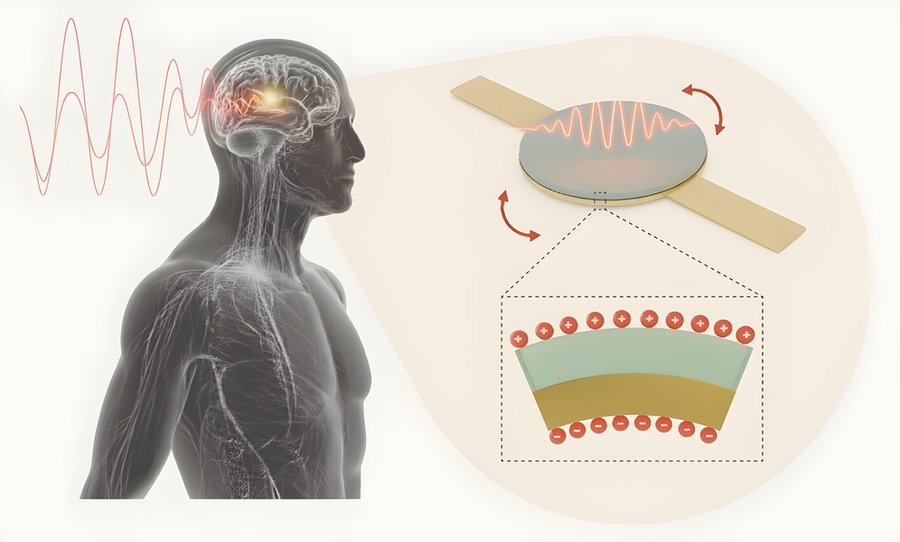
Researchers Develop Injectable Antenna to Safely Power Deep Tissue Medical Implants

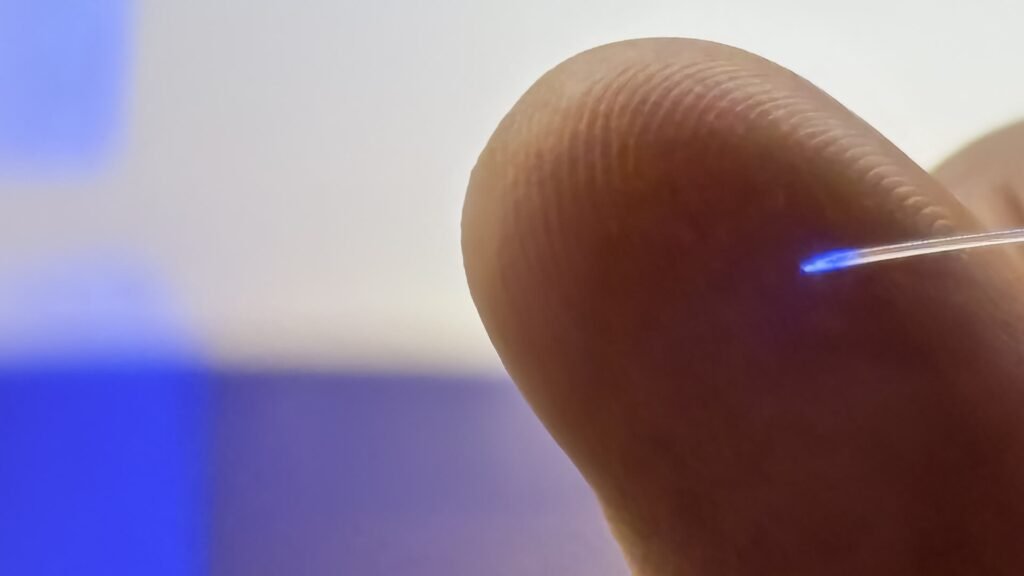
MIT researchers have unveiled a groundbreaking injectable antenna that could transform how medical implants are powered deep inside the human body. Traditional implants such as pacemakers or neuromodulators rely on bulky batteries or require invasive surgery for placement and maintenance.

Researchers Develop Injectable Antenna to Safely Power Deep Tissue Medical Implants Read More »

Implantable Wafer Shows Promise for Preventing Glioblastoma Recurrence After Surgery

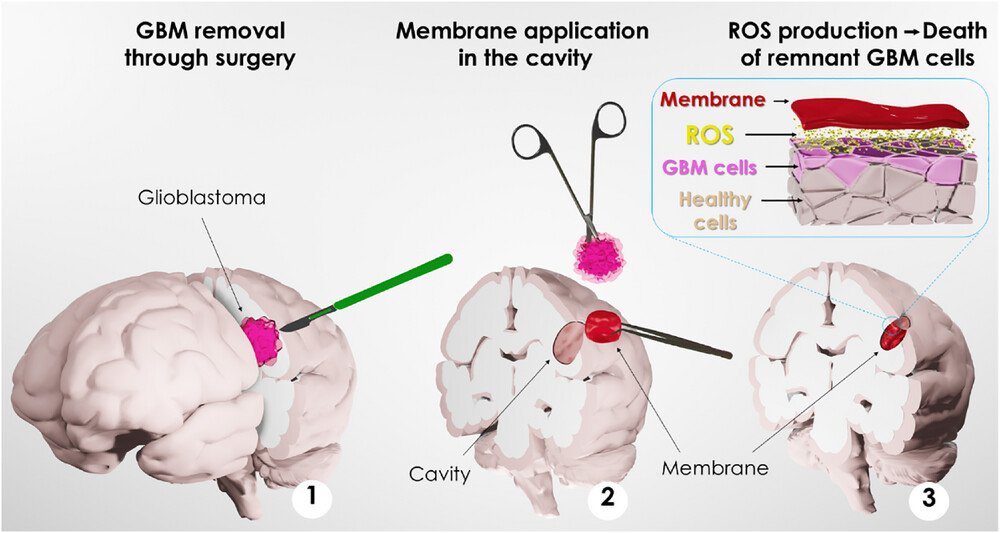
A biodegradable implant developed by researchers at Massachusetts General Hospital and Harvard Medical School may offer new hope for patients with glioblastoma, an aggressive brain cancer known for its high recurrence rate. The device, called the CANDI wafer, is designed

Implantable Wafer Shows Promise for Preventing Glioblastoma Recurrence After Surgery Read More »

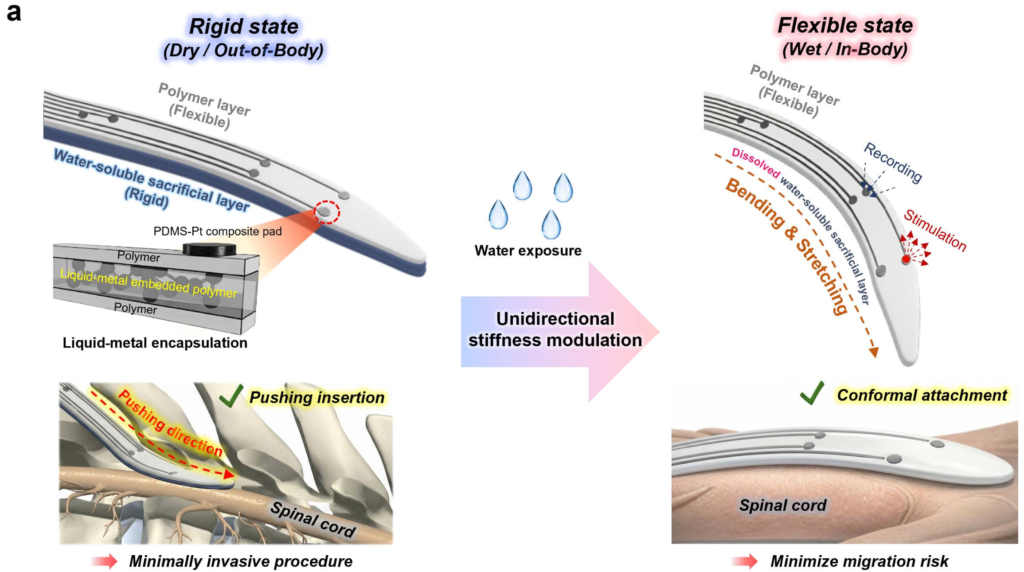
Implantable Neurostimulator Restores Blood Pressure Control After Spinal Cord Injury

A new implant developed through an international collaboration led by the University of Calgary has shown remarkable success in restoring blood pressure regulation for individuals with spinal cord injuries (SCI). The device, which delivers targeted electrical stimulation to the spinal

Implantable Neurostimulator Restores Blood Pressure Control After Spinal Cord Injury Read More »

Global Review Maps the Future of Implantable Brain-Computer Interfaces

A comprehensive review published in Advanced Science has mapped the evolution of implantable brain-computer interfaces (iBCIs), which decode brain signals to control external devices like robotic limbs or communication tools. The study identified 112 trials involving 80 participants, nearly half published since

Global Review Maps the Future of Implantable Brain-Computer Interfaces Read More »

Computational Model Helps With Customized Brain Shunt Design

Shunts used to treat hydrocephalus—a condition involving excess cerebrospinal fluid (CSF) in the brain—frequently fail due to infection, mechanical blockage, or improper placement. These failures often result in repeated surgeries and lifelong monitoring, especially in pediatric patients. Now, researchers at

Computational Model Helps With Customized Brain Shunt Design Read More »

Scroll to Top