Scott Jung

Scott Jung is a Silicon Valley-based medical and health technology reporter and advocate, with a focus on wearables, telemedicine, and health technology in emerging countries. He previously was at Medgadget and represented them at CES and Digital Health Summit, TEDMED, Stanford Medicine X, and SXSW. Always on the lookout for innovative medical technology worldwide, Scott has been invited to visit Colombia, Poland, and many other countries around the world to share how medtech is enriching the lives of its people. Scott holds a B.S. degree in Biomedical Engineering from the University of Southern California and an M.S. degree in Medical Product Development Management from San José State University. Scott is always looking for the next big thing in medical technology and digital health. Interested in helping him transform lives? Get in touch with him at https://scottju.ng

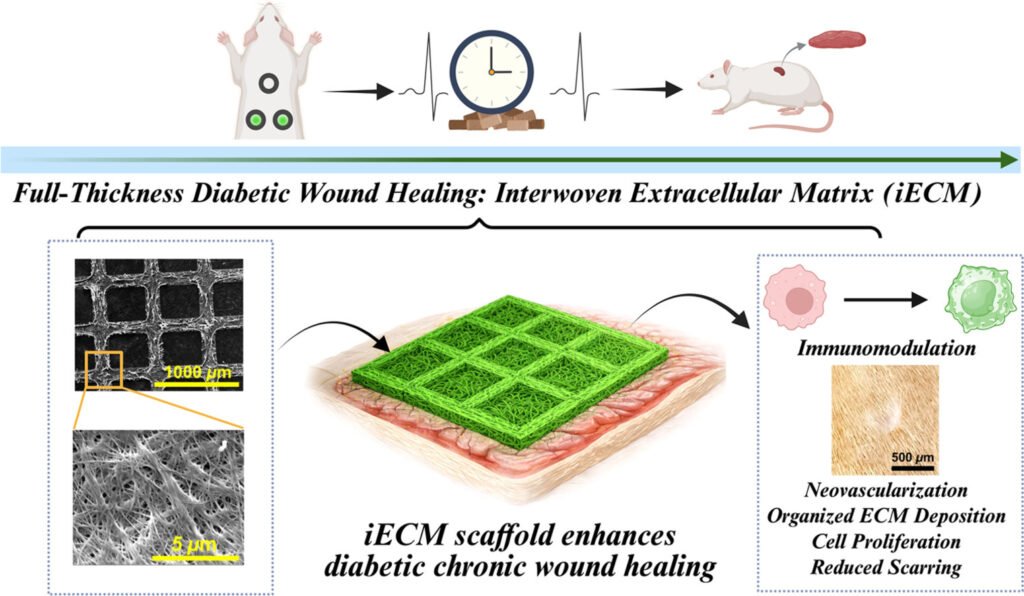
New Diabetic Wound Treatment Uses Engineered Human Cells to Build Regenerative Skin Structures

Chronic diabetic ulcers remain one of the most stubborn and devastating complications of diabetes, and many patients face years of pain as poor circulation and chronic inflammation prevent wounds from closing. More than 40 million people in the United States

New Diabetic Wound Treatment Uses Engineered Human Cells to Build Regenerative Skin Structures Read More »

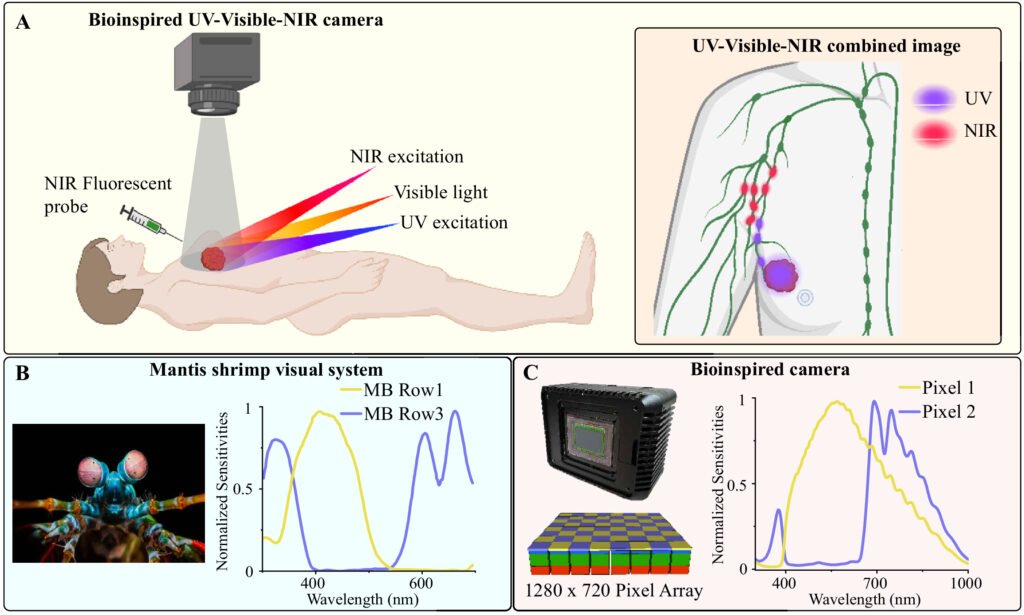
Shrimp‑Inspired Camera Helps Surgeons Identify Cancer‑Linked Lymph Nodes More Precisely

Cancer surgery often hinges on a difficult decision. Surgeons must determine which lymph nodes are likely to contain cancer and which should be preserved to avoid long term complications. Existing imaging tools can show where lymph fluid drains, but they

Shrimp‑Inspired Camera Helps Surgeons Identify Cancer‑Linked Lymph Nodes More Precisely Read More »

Low-Frequency Wireless Sensor Could Enable Safer, Real-Time Monitoring of Arteriosclerosis

Arteriosclerosis, the stiffening and thickening of arterial walls, is a major driver of heart attacks and strokes, but it is difficult to monitor continuously in daily life. Most current diagnostic tools rely on hospital equipment, short snapshots of vascular health,

Low-Frequency Wireless Sensor Could Enable Safer, Real-Time Monitoring of Arteriosclerosis Read More »

New Real‑Time Eye‑Surgery Technology Could Transform Glaucoma Treatment and Improve Surgical Precision

Glaucoma surgery has long faced a major limitation: surgeons cannot see how fluid is actually moving inside the eye while they operate. They can measure eye pressure before and after a procedure, but not during the critical moments when surgical

New Real‑Time Eye‑Surgery Technology Could Transform Glaucoma Treatment and Improve Surgical Precision Read More »

Scroll to Top