
Critically ill patients in intensive care units often face a hidden threat: oxygen deprivation in the brain that can lead to long term cognitive damage or even death. Traditional monitoring systems track heart rate, blood pressure, and blood oxygen levels, but they do not directly measure how much oxygen actually reaches the brain. Researchers in Brazil have developed a new technology that fills this gap, offering continuous, noninvasive monitoring of cerebral oxygenation to help prevent brain injuries in ICU patients.
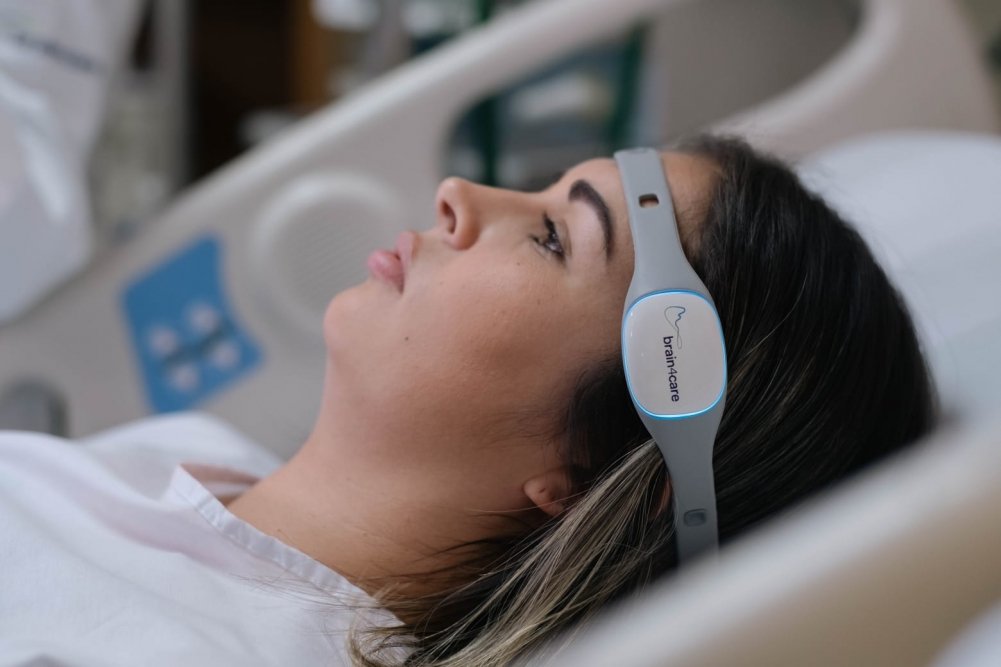
The innovation comes from a collaboration between scientists at the University of Campinas (UNICAMP) and the startup Brain4care. Their system uses a sensor placed on the patient’s head to measure subtle changes in intracranial pressure and brain compliance (how the brain expands and contracts with each heartbeat). These measurements are analyzed in real time to infer oxygen delivery and detect early signs of hypoxia. Unlike invasive probes that require surgery, the Brain4care sensor works externally, making it safe for continuous use in critical care settings.
In clinical trials, the technology demonstrated that it could identify dangerous drops in brain oxygen levels before conventional monitors showed any warning. This early detection allows doctors to adjust ventilation, blood pressure, or medication to restore proper oxygen flow and prevent irreversible damage. The system also helps optimize treatment for patients with severe respiratory failure, stroke, or traumatic brain injury, where maintaining cerebral oxygenation is vital.
The research team emphasizes that brain monitoring should be as routine as cardiac monitoring in the ICU. By integrating the Brain4care sensor with existing hospital systems, clinicians can track brain health alongside other vital signs. The device has already been approved for medical use in Brazil and is being evaluated for broader international deployment.
Beyond critical care, the technology could support anesthesia management, neonatal monitoring, and post‑operative recovery, where subtle changes in brain pressure and oxygenation often go unnoticed. The Brazilian innovation represents a major step toward safer, more intelligent intensive care, giving doctors a window into the brain’s condition without invasive procedures. By turning invisible neurological risks into measurable data, it offers a new way to protect the most vulnerable patients from silent brain injury.
Article from Agência FAPESP: Brazilian innovation prevents brain injuries in critically ill ICU patients
Abstract in Cost Effectiveness and Resource Allocation: Impact of hemodynamic management guided by intracranial compliance on the outcome of critically ill patients – preliminary results and exploratory economic evaluation
