Scott Jung

Scott Jung is a Silicon Valley-based medical and health technology reporter and advocate, with a focus on wearables, telemedicine, and health technology in emerging countries. He previously was at Medgadget and represented them at CES and Digital Health Summit, TEDMED, Stanford Medicine X, and SXSW. Always on the lookout for innovative medical technology worldwide, Scott has been invited to visit Colombia, Poland, and many other countries around the world to share how medtech is enriching the lives of its people. Scott holds a B.S. degree in Biomedical Engineering from the University of Southern California and an M.S. degree in Medical Product Development Management from San José State University. Scott is always looking for the next big thing in medical technology and digital health. Interested in helping him transform lives? Get in touch with him at https://scottju.ng

3D‑Printed Nanocarriers Could Deliver Cancer Drugs Directly to Tumors and Reduce Harsh Side Effects

Chemotherapy remains one of the most widely used cancer treatments, but it often affects the entire body rather than just the tumor. Because these drugs target fast‑dividing cells, they also damage healthy tissues like hair follicles, the digestive tract, and […]

3D‑Printed Nanocarriers Could Deliver Cancer Drugs Directly to Tumors and Reduce Harsh Side Effects Read More »

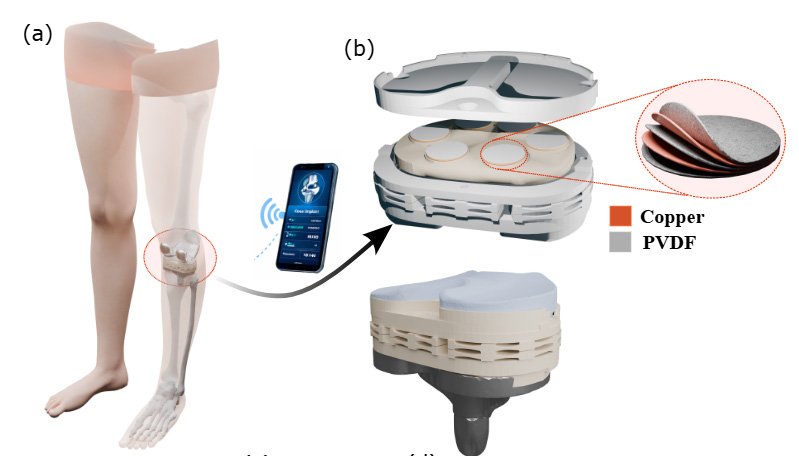
Smart Knee Implants Move Closer to Reality With Self‑Powered Sensors That Track Joint Problems

Knee replacements are meant to last a lifetime, yet many patients still face complications like joint loosening or imbalance that often go unnoticed until the damage is severe. With nearly 800,000 knee replacements performed each year in the United States

Smart Knee Implants Move Closer to Reality With Self‑Powered Sensors That Track Joint Problems Read More »

Organ‑on‑a‑Chip Compresses 40 Years of Human Aging into Four Days for Rapid Longevity Drug Testing

Age‑related diseases are rising quickly as more people live into their 60s, 70s, and 80s, yet scientists still lack fast, reliable ways to study how human tissues age or how potential anti‑aging treatments actually work. Traditional research tools are slow,

Organ‑on‑a‑Chip Compresses 40 Years of Human Aging into Four Days for Rapid Longevity Drug Testing Read More »

Oxygen‑Generating Implant Supports Dense Cell Factories for Long‑Term Drug Delivery

Cell‑based drug delivery has long promised a way to provide continuous, therapeutic‑level dosing from a single implant, but the approach has been limited by a fundamental biological constraint: densely packed cells cannot survive without a steady supply of oxygen. This

Oxygen‑Generating Implant Supports Dense Cell Factories for Long‑Term Drug Delivery Read More »

Light‑Powered Biohybrid Cardiac Interface Offers New Way to Control Heart Tissue Without Metal Electrodes

Studying and treating heart disease has long been constrained by the limitations of metal electrodes, which can damage tissue, introduce contamination, and fail to replicate the soft, dynamic environment of the beating heart. Researchers at the University of California, Irvine

Light‑Powered Biohybrid Cardiac Interface Offers New Way to Control Heart Tissue Without Metal Electrodes Read More »

Smart Wound Patch Uses Carbon Dots to Monitor Infection and Deliver Treatment in Real Time

Chronic wounds place a heavy burden on health care systems because they require constant monitoring and frequent adjustments in treatment. Clinicians often struggle to detect infection early enough to intervene effectively, and most dressings are limited to either monitoring or

Smart Wound Patch Uses Carbon Dots to Monitor Infection and Deliver Treatment in Real Time Read More »

Scroll to Top