Scott Jung

Scott Jung is a Silicon Valley-based medical and health technology reporter and advocate, with a focus on wearables, telemedicine, and health technology in emerging countries. He previously was at Medgadget and represented them at CES and Digital Health Summit, TEDMED, Stanford Medicine X, and SXSW. Always on the lookout for innovative medical technology worldwide, Scott has been invited to visit Colombia, Poland, and many other countries around the world to share how medtech is enriching the lives of its people. Scott holds a B.S. degree in Biomedical Engineering from the University of Southern California and an M.S. degree in Medical Product Development Management from San José State University. Scott is always looking for the next big thing in medical technology and digital health. Interested in helping him transform lives? Get in touch with him at https://scottju.ng

Soft Wearable Near‑Infrared Device Enables Comfortable Home Monitoring of Sleep and Brain Health

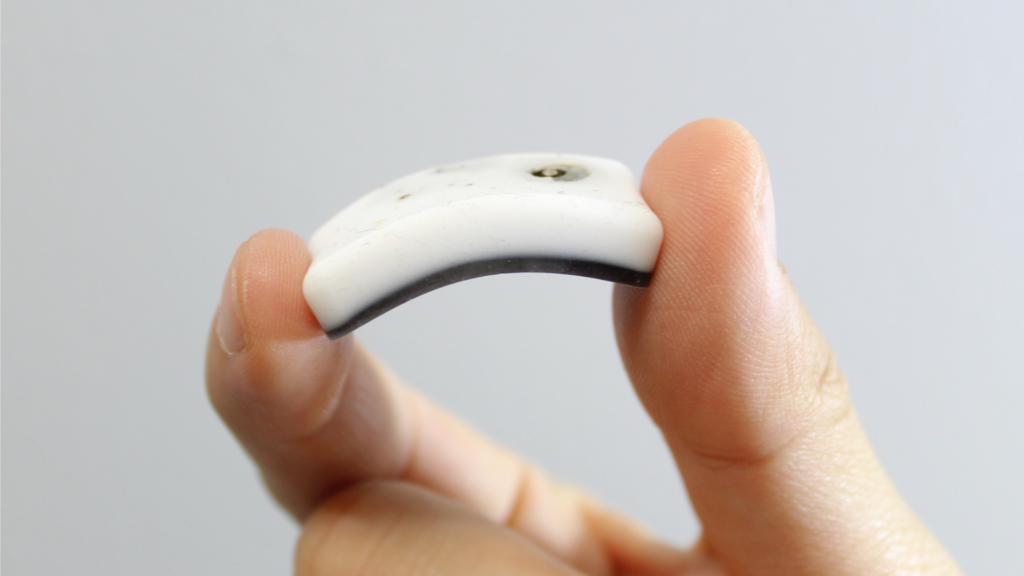
Understanding how sleep supports brain health requires tools that can capture subtle physiological changes without disrupting rest. During sleep, the glymphatic system clears metabolic waste by moving cerebrospinal fluid through channels around blood vessels and exchanging it with interstitial fluid […]

Soft Wearable Near‑Infrared Device Enables Comfortable Home Monitoring of Sleep and Brain Health Read More »

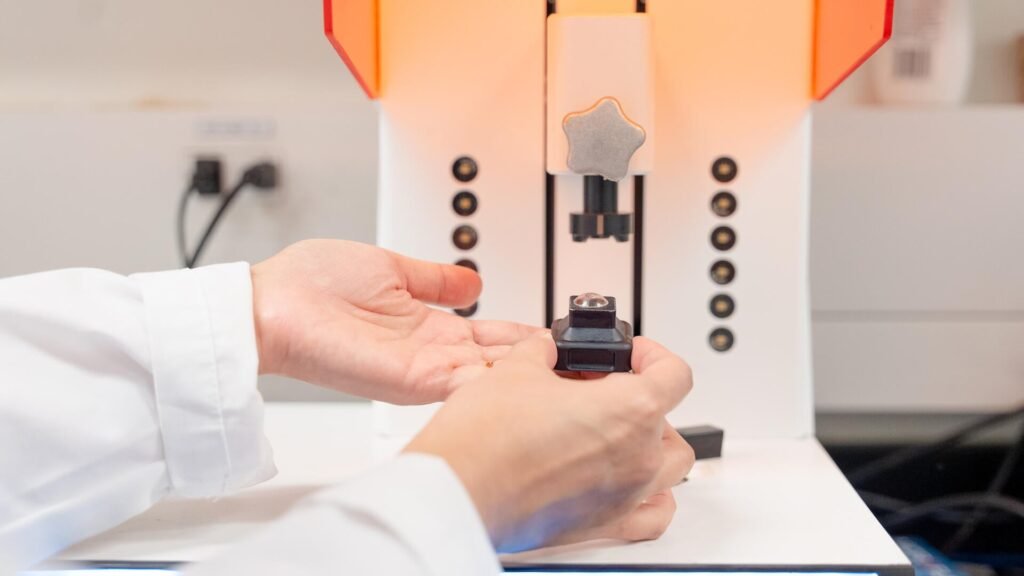
Infrared Hydration Index Offers More Reliable At‑Home Monitoring for Atopic Dermatitis

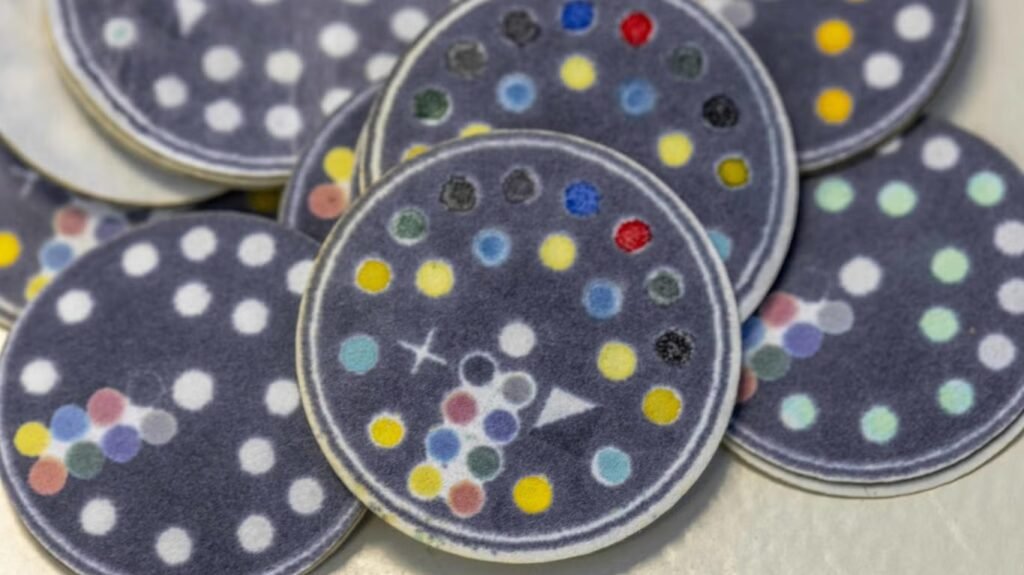
Managing atopic dermatitis is difficult because skin hydration fluctuates with temperature, daily conditions and treatment responses, yet most tools for assessing hydration are superficial and inconsistent. Researchers have developed a near‑infrared optical system paired with a temperature‑aware algorithm that provides

Infrared Hydration Index Offers More Reliable At‑Home Monitoring for Atopic Dermatitis Read More »

Wearable Cardiac Monitoring System Detects Hidden Arrhythmias and Stroke Risk Earlier

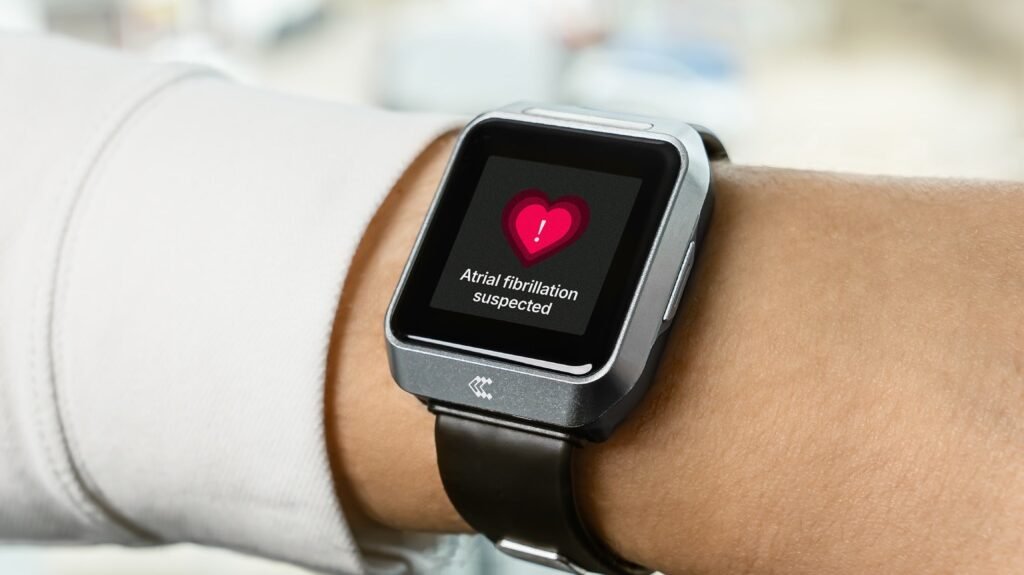
Many dangerous heart rhythm disorders go undetected because symptoms are intermittent, traditional monitoring is brief, and early warning signs often appear only during daily activity. Researchers at Kaunas University of Technology in Lithuania have developed a wearable cardiac monitoring system

Wearable Cardiac Monitoring System Detects Hidden Arrhythmias and Stroke Risk Earlier Read More »

Temperature‑Controlled Brain Implant Enables Precise Bidirectional Modulation of Neural Circuits

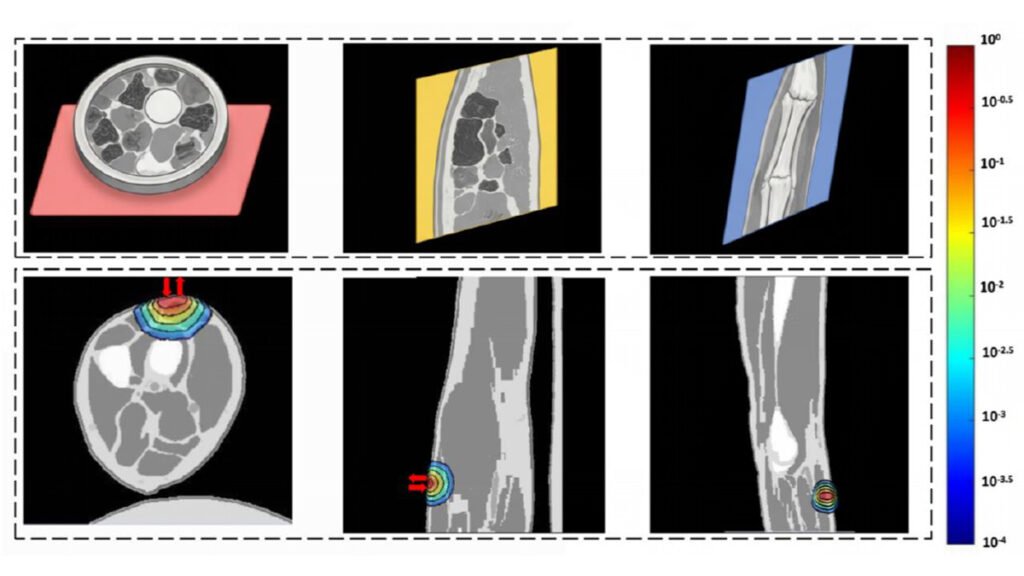
Neurological disorders remain difficult to treat because most neuromodulation technologies can only activate or suppress neural activity in one direction, limiting their ability to provide fine control over complex brain circuits. A research team at Korea University College of Medicine

Temperature‑Controlled Brain Implant Enables Precise Bidirectional Modulation of Neural Circuits Read More »

Breakthrough in Soft Robotics May Enhance Assistive and Rehabilitation Devices

Soft robots often struggle to generate strong, fast movements because their flexible materials cannot store and release energy as efficiently as rigid mechanical systems. Scientists at the University of Bristol have developed a new approach that allows soft robotic structures

Breakthrough in Soft Robotics May Enhance Assistive and Rehabilitation Devices Read More »

Ultra‑Small Magnetoelectric Antennas Offer a New Path for Safer, Smarter Implantable Medical Devices

Implantable medical devices often struggle to balance size, heat generation and data capacity, making long‑term use uncomfortable and limiting their ability to diagnose or treat disease. Researchers led by the University of Glasgow have developed a new class of ultra‑small

Ultra‑Small Magnetoelectric Antennas Offer a New Path for Safer, Smarter Implantable Medical Devices Read More »

Soft Robotic Heart Model Recreates Disease to Improve Cardiac Device Testing and Treatment Planning

Heart disease remains difficult to study because conventional laboratory models cannot reproduce the complex motion, internal structures and disease mechanics of the human heart. Researchers at UNSW Sydney have developed a soft robotic model of the left side of the

Soft Robotic Heart Model Recreates Disease to Improve Cardiac Device Testing and Treatment Planning Read More »

Shared Brain Interface Principles Bring Artificial Vision and Touch Closer to Unified Restoration Technology

Patients with severe sight loss or loss of motor function often have few treatment options because damaged neural pathways cannot be repaired easily, leaving them without reliable ways to regain vision or tactile sensation. Researchers now report that two major

Shared Brain Interface Principles Bring Artificial Vision and Touch Closer to Unified Restoration Technology Read More »

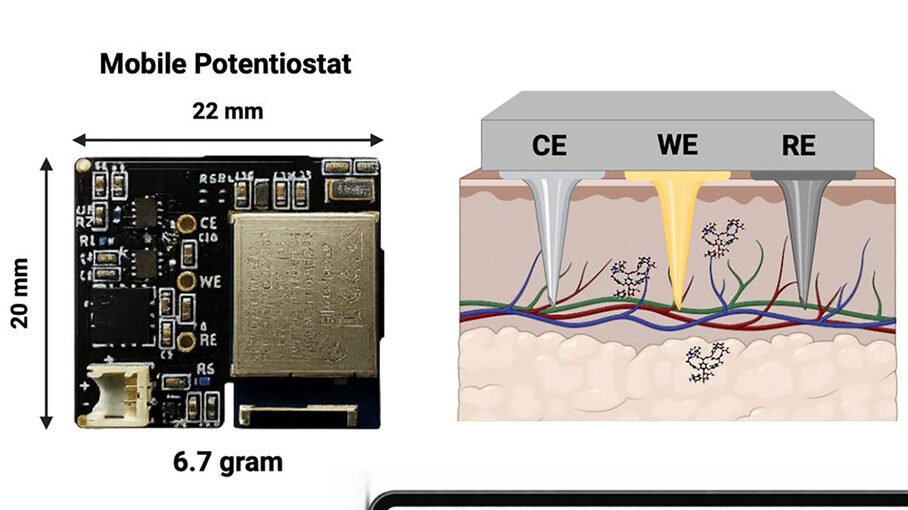
Acoustically Readable Microneedle Patch Enables Enzyme‑Free Continuous Glucose Monitoring

Continuous glucose monitoring remains difficult to maintain over long periods because most commercial sensors rely on glucose oxidase enzymes that degrade within days or weeks, forcing frequent replacements and increasing cost. Researchers from the Shenzhen Institute of Advanced Technology, the

Acoustically Readable Microneedle Patch Enables Enzyme‑Free Continuous Glucose Monitoring Read More »

Scroll to Top