Wearables

Soft Wearable Near‑Infrared Device Enables Comfortable Home Monitoring of Sleep and Brain Health

Understanding how sleep supports brain health requires tools that can capture subtle physiological changes without disrupting rest. During sleep, the glymphatic system clears metabolic waste by moving cerebrospinal fluid through channels around blood vessels and exchanging it with interstitial fluid

Soft Wearable Near‑Infrared Device Enables Comfortable Home Monitoring of Sleep and Brain Health Read More »

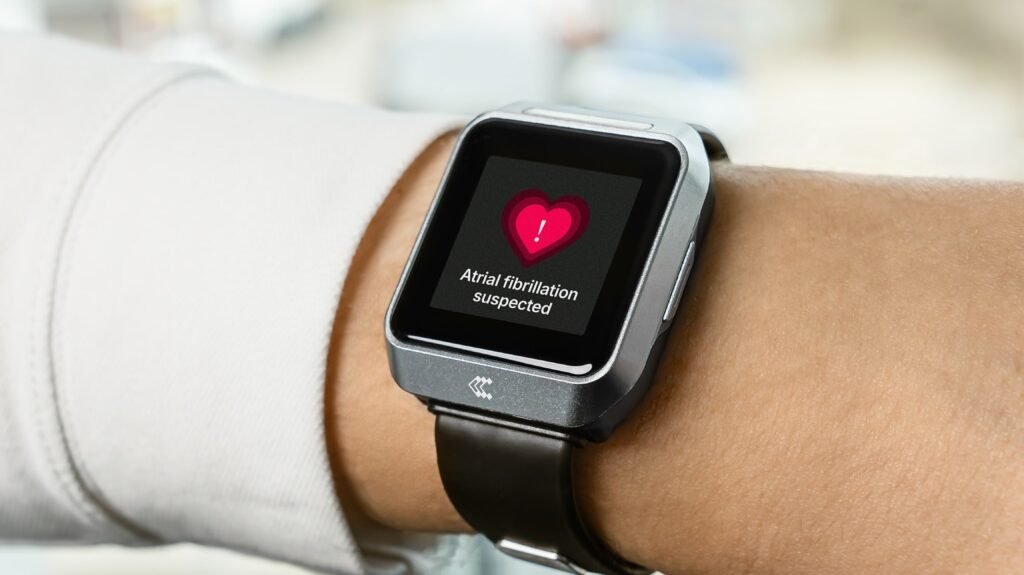
Wearable Cardiac Monitoring System Detects Hidden Arrhythmias and Stroke Risk Earlier

Many dangerous heart rhythm disorders go undetected because symptoms are intermittent, traditional monitoring is brief, and early warning signs often appear only during daily activity. Researchers at Kaunas University of Technology in Lithuania have developed a wearable cardiac monitoring system

Wearable Cardiac Monitoring System Detects Hidden Arrhythmias and Stroke Risk Earlier Read More »

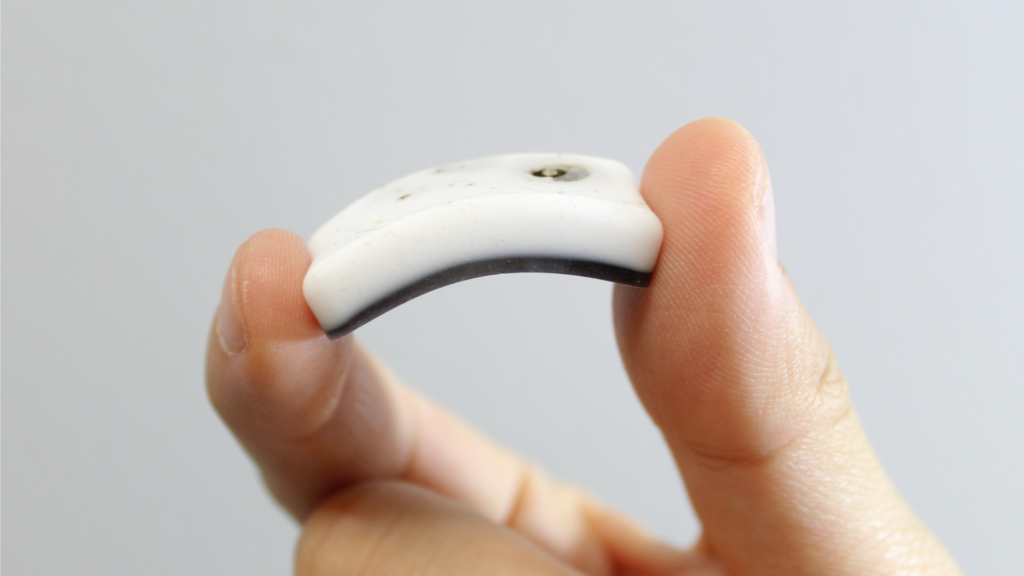
Breakthrough in Soft Robotics May Enhance Assistive and Rehabilitation Devices

Soft robots often struggle to generate strong, fast movements because their flexible materials cannot store and release energy as efficiently as rigid mechanical systems. Scientists at the University of Bristol have developed a new approach that allows soft robotic structures

Breakthrough in Soft Robotics May Enhance Assistive and Rehabilitation Devices Read More »

Acoustically Readable Microneedle Patch Enables Enzyme‑Free Continuous Glucose Monitoring

Continuous glucose monitoring remains difficult to maintain over long periods because most commercial sensors rely on glucose oxidase enzymes that degrade within days or weeks, forcing frequent replacements and increasing cost. Researchers from the Shenzhen Institute of Advanced Technology, the

Acoustically Readable Microneedle Patch Enables Enzyme‑Free Continuous Glucose Monitoring Read More »

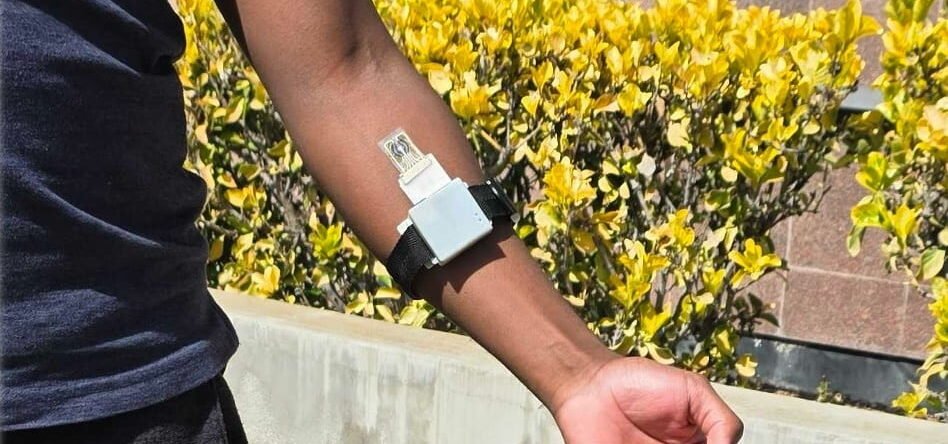
Wearable Sweat Sensor Enables Long Term Molecular Health Monitoring Without Batteries

Long term molecular health monitoring has been difficult to achieve because most wearable sensors lose accuracy as their sensing surfaces degrade. University of California, Irvine researchers have developed a new bioelectronic sweat sensor that solves this problem by regenerating its

Wearable Sweat Sensor Enables Long Term Molecular Health Monitoring Without Batteries Read More »

New Skin Conforming Electrode Material Could Make Long Term Heart Monitoring More Comfortable

Long term heart monitoring is essential for diagnosing cardiac conditions, yet the experience is often uncomfortable for patients. Conventional electrocardiogram electrodes rely on sticky adhesives that can irritate the skin and gels that dry out over time, degrading signal quality.

New Skin Conforming Electrode Material Could Make Long Term Heart Monitoring More Comfortable Read More »

Microneedle Skin Patch Provides a New, Painless Way to Monitor Immune Health in Real Time

A new advance from The Jackson Laboratory introduces a painless microneedle skin patch that can monitor immune activity directly from the skin, offering an alternative to blood draws and surgical biopsies. Researchers at JAX, working with MIT, designed the bandage‑like

Microneedle Skin Patch Provides a New, Painless Way to Monitor Immune Health in Real Time Read More »

Microneedle Biosensor Improves Wireless Glucose Monitoring for Diabetes Care

Researchers at Washington State University have developed a wearable microneedle‑based biosensor designed to make glucose monitoring more accurate, less invasive, and more cost‑effective for people with diabetes. The device measures glucose in interstitial fluid using tiny hollow microneedles less than

Microneedle Biosensor Improves Wireless Glucose Monitoring for Diabetes Care Read More »

Scroll to Top