
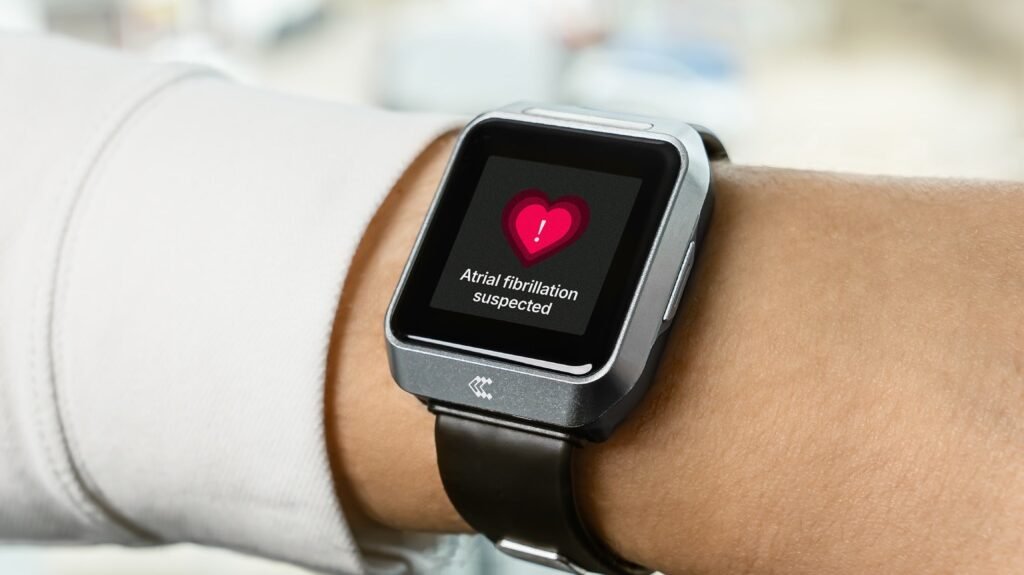
Many dangerous heart rhythm disorders go undetected because symptoms are intermittent, traditional monitoring is brief, and early warning signs often appear only during daily activity. Researchers at Kaunas University of Technology in Lithuania have developed a wearable cardiac monitoring system that identifies hidden arrhythmias and stroke‑related risk factors more reliably by combining long‑term data collection with advanced signal analysis. Their work demonstrates how continuous monitoring outside the clinic can reveal abnormalities that standard electrocardiograms frequently miss.
The technology is designed to capture subtle changes in heart rhythm that may indicate atrial fibrillation or other arrhythmias associated with stroke. The system uses a lightweight wearable device that records electrical activity over extended periods, allowing clinicians to analyze patterns that emerge only during sleep, exercise or routine daily stress. Because many arrhythmias occur sporadically, short clinical recordings often fail to detect them. The Lithuanian team focused on developing algorithms capable of identifying irregularities in large volumes of data collected during real‑world conditions.
The researchers emphasize that early detection is critical because untreated arrhythmias significantly increase the risk of stroke. Their system analyzes heart rhythm variability and other electrophysiological markers to flag abnormalities that may require medical evaluation. By processing long‑term recordings, the device can identify episodes that last only seconds but still carry clinical significance. The team also developed methods to reduce noise and artifacts caused by movement, which often interfere with wearable monitoring accuracy.
Clinical testing showed that the system could detect arrhythmias that were not visible in standard short‑term ECGs. Participants who appeared healthy during routine examinations were found to have irregular rhythm episodes during daily activity. The researchers note that these hidden events can be early indicators of cardiovascular disease and may help guide preventive treatment. The device’s ability to operate continuously without disrupting daily life makes it suitable for long‑term monitoring of patients at elevated stroke risk.
The team envisions the technology being used for population‑level screening, early diagnosis and personalized cardiac care. By providing clinicians with detailed rhythm profiles, the system could help identify patients who need anticoagulation therapy or further diagnostic testing. The researchers also highlight the potential for integrating the device into telemedicine platforms, enabling remote evaluation and reducing the need for frequent clinic visits. Their work demonstrates how wearable cardiac monitoring can uncover silent arrhythmias and support earlier intervention for conditions that often remain undiagnosed until serious complications occur.
