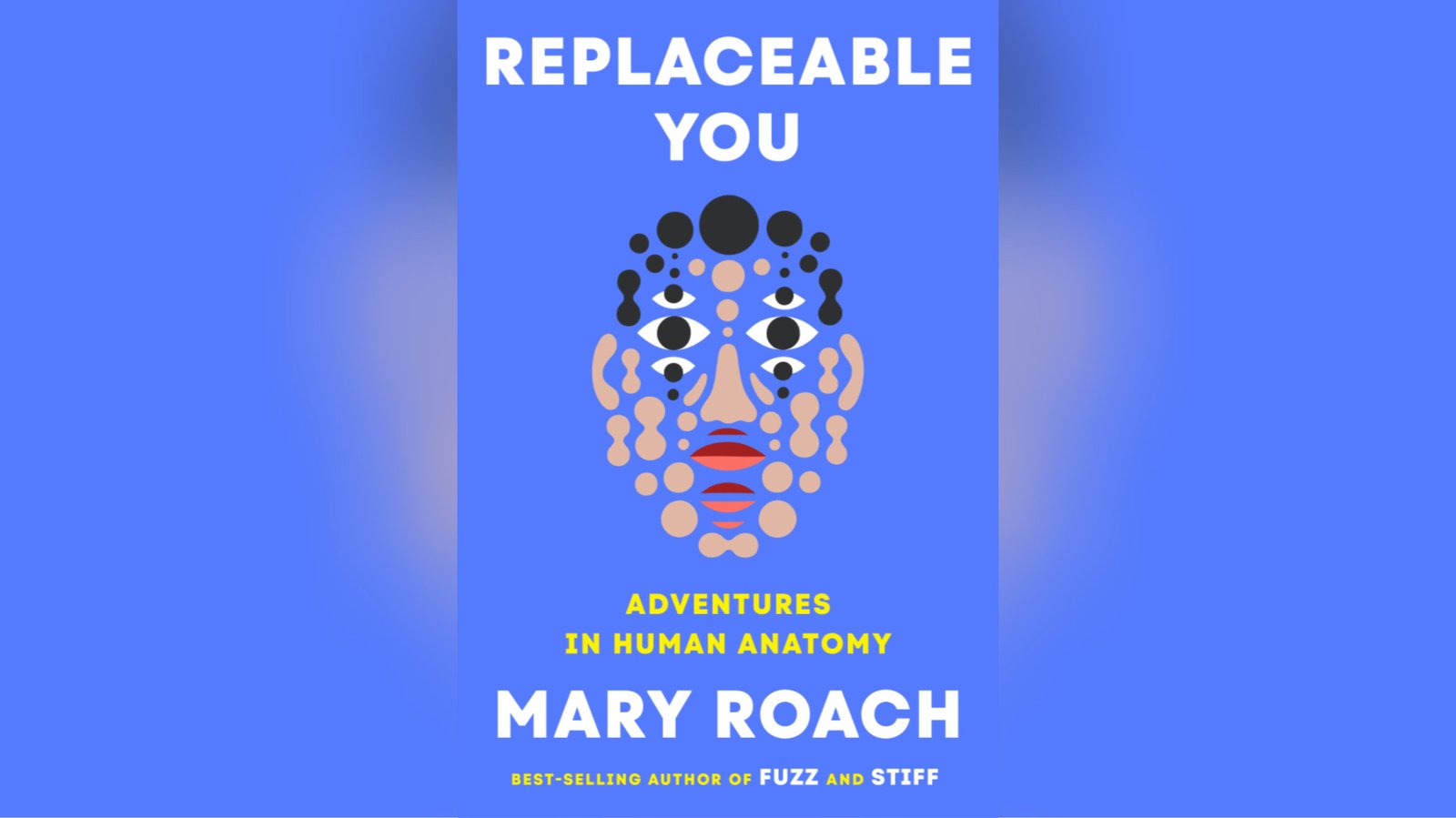
“Replaceable You”: A GizmoMD Book Interview with Author Mary Roach
“We can rebuild him. We have the technology. We can make him better than he was. Better . . . stronger . . . faster.” These iconic words were part of the opening lines of the hit TV series, The Six-Million Dollar Man,…
The Latest
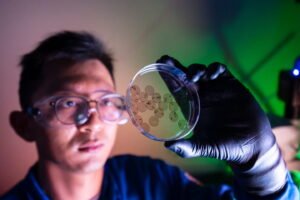
Light‑Powered Biohybrid Cardiac Interface Offers New Way to Control Heart Tissue Without Metal Electrodes
Studying and treating heart disease has long been constrained by the limitations of metal electrodes, which can damage tissue, introduce contamination, and fail to replicate the soft, dynamic environment of the beating heart. Researchers at the University of California, Irvine have engineered a polymeric biohybrid cardiac device that overcomes these barriers by using light instead of metal to electrically and mechanically control living heart tissue. Their work introduces a soft, flexible interface that converts visible light into photocurrents capable of pacing cardiac cells in synchrony. The platform is built by layering conjugated optoelectronic polymers onto an elastomeric base. The top…
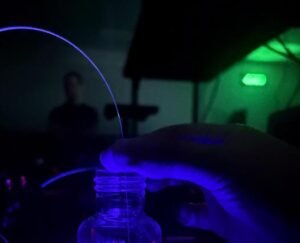
Hair‑Thin 3D‑Printed Fiber Sensors Offer New Way to Detect Cancer‑Linked Molecular Signals
Detecting cancer early often depends on sensing subtle molecular changes inside the body, yet most tools can only measure one biomarker at a time and struggle to operate reliably in living tissue. This limitation makes it difficult for clinicians to distinguish cancer‑related signals from other biological activity. Researchers from Adelaide University’s Institute for Photonics and Advanced Sensing, working with the University of Stuttgart, have developed microscopic sensors that address these challenges by combining multi‑signal detection, minimally invasive design, and advanced 3D micro‑printing. The team created sensors as thin as a human hair and printed them directly onto the tips of…
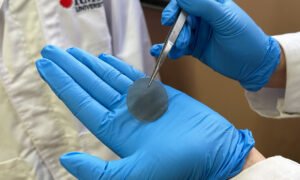
Smart Wound Patch Uses Carbon Dots to Monitor Infection and Deliver Treatment in Real Time
Chronic wounds place a heavy burden on health care systems because they require constant monitoring and frequent adjustments in treatment. Clinicians often struggle to detect infection early enough to intervene effectively, and most dressings are limited to either monitoring or delivering therapy, not both. Researchers at RMIT University in Australia have developed a new type of smart wound dressing that addresses these challenges by integrating real‑time sensing and on‑demand therapeutic release into a single, scalable platform. The team created a hydrogel dressing embedded with tiny carbon‑based nanoparticles known as carbon dots. These multifunctional nanomaterials act as both sensors and therapeutic…
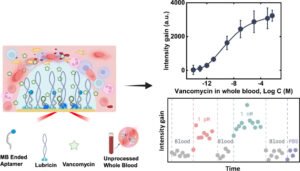
Cell‑Inspired Sensor Enables Real‑Time Molecular Monitoring in Blood
Real‑time blood monitoring has remained out of reach because most sensors quickly clog when exposed to unprocessed blood, losing sensitivity within minutes. This fouling problem has been one of the biggest barriers to continuous biochemical tracking, preventing clinicians from measuring fast molecular changes that could guide personalized treatment. A team led by La Trobe University in Australia has now developed a cell‑inspired sensor that overcomes this limitation by combining a natural protective coating, fast‑responding molecular receptors, and an ultra‑sensitive optical detection method. The researchers worked with CSIRO, an Australian Government agency to design a sensor that mimics the way cell…
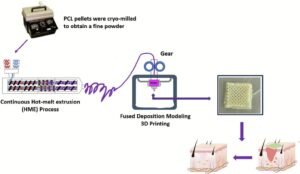
3D Printed Medicated Patch Designed to Support Healing in Chronic Wounds
Chronic wounds often linger because they receive too little oxygen, heal slowly, and are highly susceptible to bacterial growth. These challenges are especially common in people with diabetes or limited mobility, whose impaired circulation makes even small sores difficult to repair. Conventional dressings can protect the wound surface, but they do not deliver antibacterial compounds in a controlled way or adapt to the unique shape of each ulcer. Researchers at the University of Mississippi are developing a 3D printed medicated patch that aims to overcome these limitations by combining customizable structure with sustained antibacterial release. The Ole Miss team created…
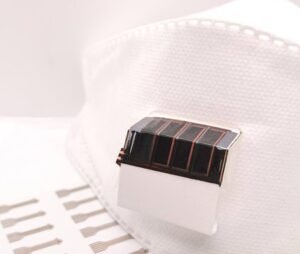
Battery‑Free Smart Mask Enables Long‑Term Monitoring of Health Biomarkers in Exhaled Breath
Monitoring health through exhaled breath has long been limited by the difficulty of collecting reliable samples over extended periods. Traditional approaches struggle because breath condensate dries quickly, sensors degrade in humid environments, and wearable systems depend on batteries that require recharging or replacement. These constraints have prevented continuous, noninvasive breath‑based monitoring from becoming a practical tool for everyday health assessment. Researchers at the California Institute of Technology have now addressed these limitations by developing a new version of their smart mask that operates without a battery, maintains stable sensing performance for days, and captures a wider range of biochemical information…
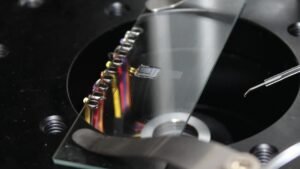
Miniature Laser Chip Enables Portable Biosensors That Could Bring Lab Testing Into the Home
Many diagnostic tests still rely on large optical instruments that sit in centralized laboratories, making it difficult for patients to access rapid, convenient sampling. These systems depend on external lasers, bulky optics, and controlled environments, which limits their use outside hospitals and research facilities. A research team at Chalmers University of Technology in Sweden has now developed a miniature laser technology that integrates both the light source and the optical components onto a semiconductor chip only one centimeter in size, creating a foundation for compact biosensors that could eventually support at‑home testing. The core of the advance is a diminutive…

Ultralight 3D Aerohydrogel Scaffold Allows Human Brain Cells to Grow and Communicate More Naturally
A recent breakthrough from researchers at Kiel University in Germany introduces an ultralight 3D aerohydrogel material that allows human brain cells to grow, connect, and exchange signals in ways that closely resemble real neural tissue. The team set out to solve a long‑standing limitation in neuroscience research. Conventional 3D cell culture systems are often too rigid or too unstable to support the delicate, dynamic interactions that define neuronal communication. As a result, many laboratory models fail to capture how brain cells behave in living tissue. The Kiel group developed a new scaffold that overcomes these constraints by combining structural stability…
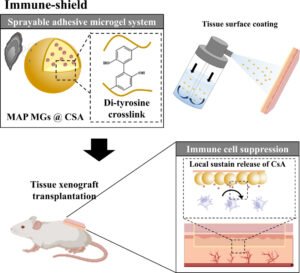
Spray‑On Immune Shield Coating Protects Transplanted Organs Without Systemic Immunosuppression
A recent advance from Pohang University of Science and Technology (POSTECH) and Ewha Womans University in Korea introduces a spray‑on coating that adheres directly to transplanted organs and delivers immunosuppressive drugs locally, offering a potential way to reduce or even eliminate the need for lifelong systemic immunosuppressants. Organ transplantation remains the most effective treatment for organ failure, yet patients must take continuous immunosuppressive medication to prevent rejection. These drugs circulate throughout the body and can cause serious side effects, including kidney toxicity and heightened infection risk. The research team set out to solve this long‑standing problem by shifting immunosuppression from…

3D‑Printed Beating Heart Model Gives Surgeons a Realistic Way to Practice Complex Procedures
Researchers at Washington State University have created a 3D‑printed heart model that can beat, pump fluid, and mimic the mechanical behavior of real cardiac tissue, offering surgeons a more realistic way to practice complex procedures before entering the operating room. The project grew out of a need for training tools that better replicate the feel and movement of a living heart. Traditional silicone models are static and lack the dynamic qualities that make cardiac surgery so challenging. The WSU team set out to build a model that could reproduce the motion, pressure changes, and tactile feedback of a functioning human…
GizmoMD Exclusives
“Replaceable You”: A GizmoMD Book Interview with Author Mary Roach

Subscribe to GizmoMD Weekly!

23andMe: A GizmoMD Review (May 2017)

GizmoMD Boards the Orbis Flying Eye Hospital (December 2017)
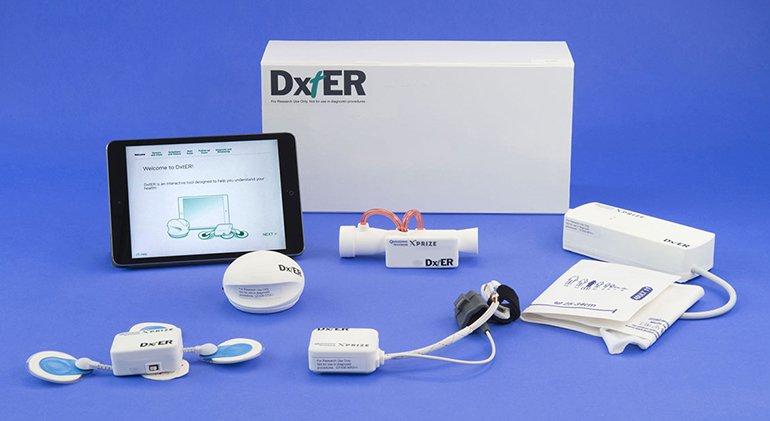
Tricorders For Everyone! Dr. Basil Harris Shares What’s Next for the Prize-Winning DxtER Tricorder (April 2017)