Cardiology

Low-Frequency Wireless Sensor Could Enable Safer, Real-Time Monitoring of Arteriosclerosis

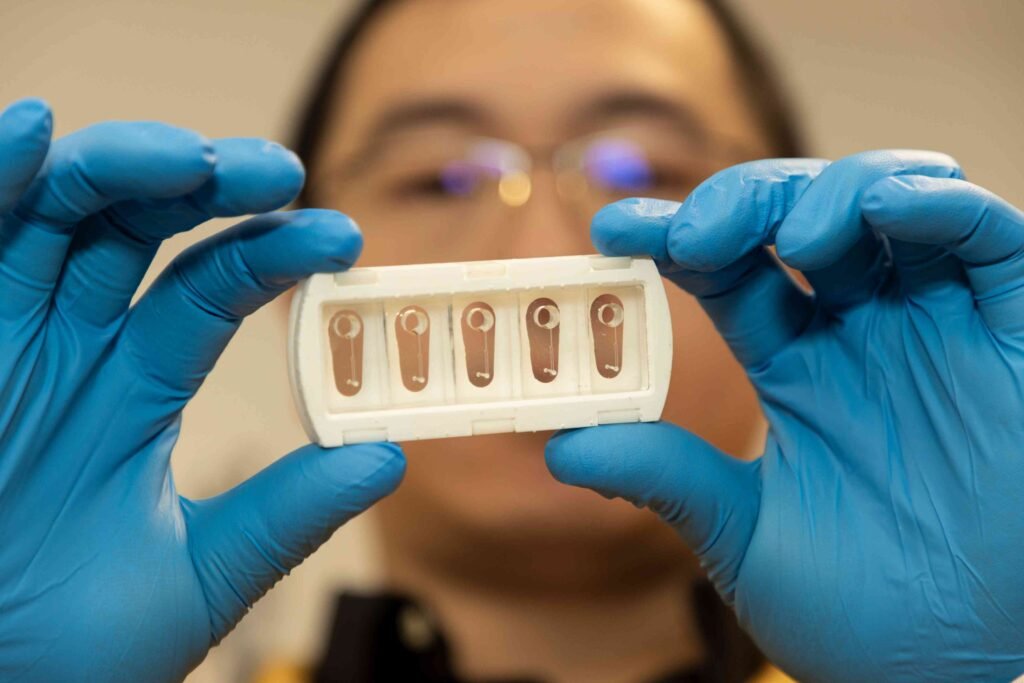
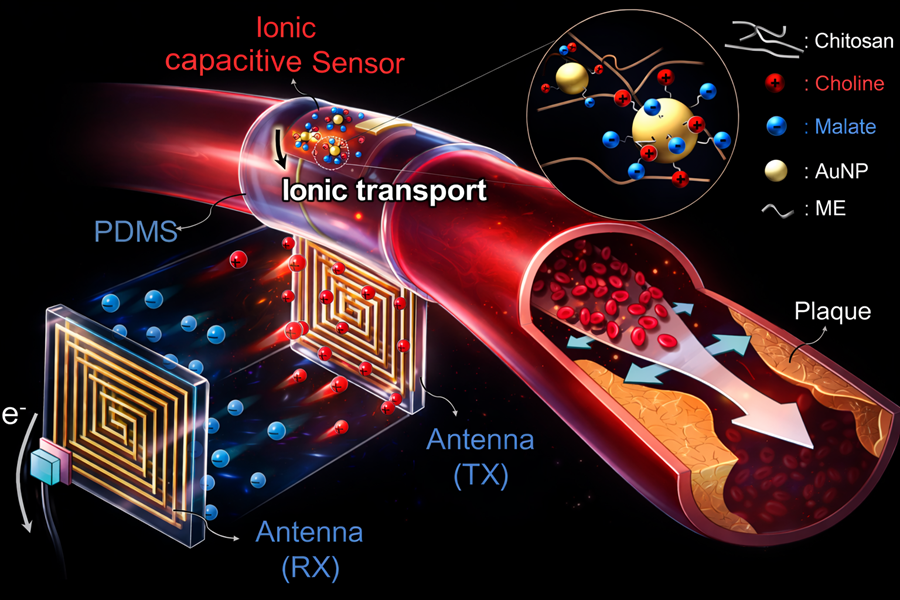
Arteriosclerosis, the stiffening and thickening of arterial walls, is a major driver of heart attacks and strokes, but it is difficult to monitor continuously in daily life. Most current diagnostic tools rely on hospital equipment, short snapshots of vascular health, […]

Low-Frequency Wireless Sensor Could Enable Safer, Real-Time Monitoring of Arteriosclerosis Read More »

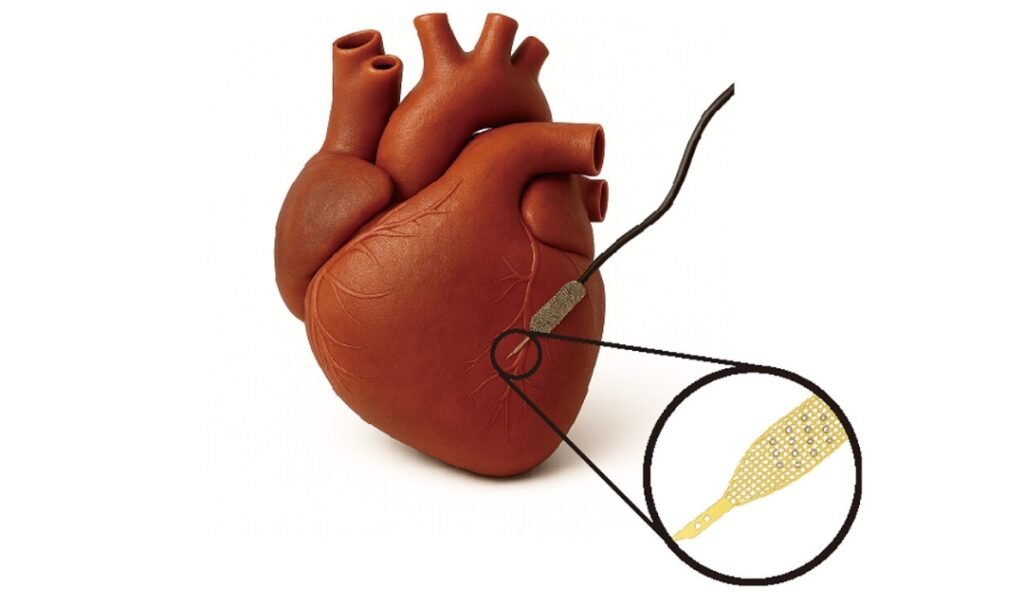
Light‑Powered Biohybrid Cardiac Interface Offers New Way to Control Heart Tissue Without Metal Electrodes

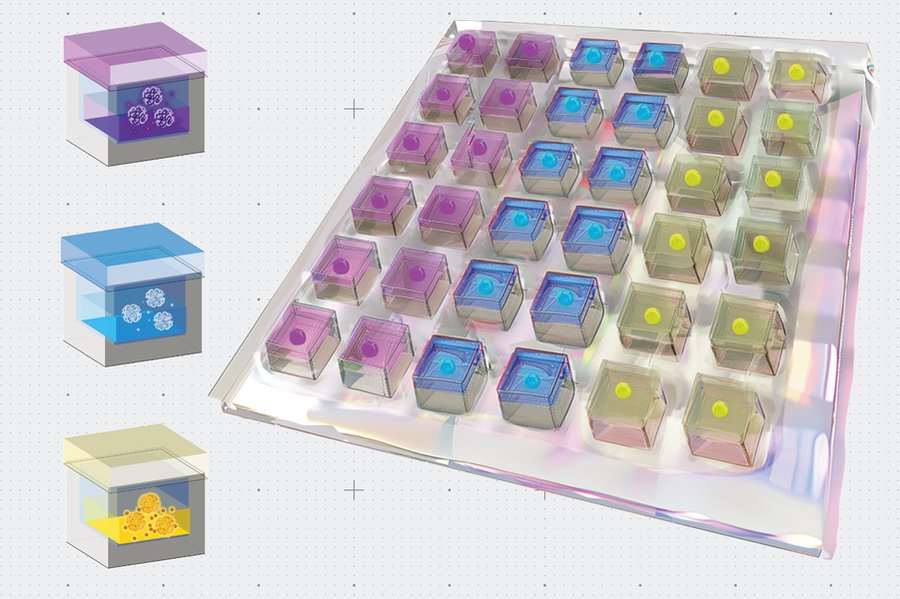
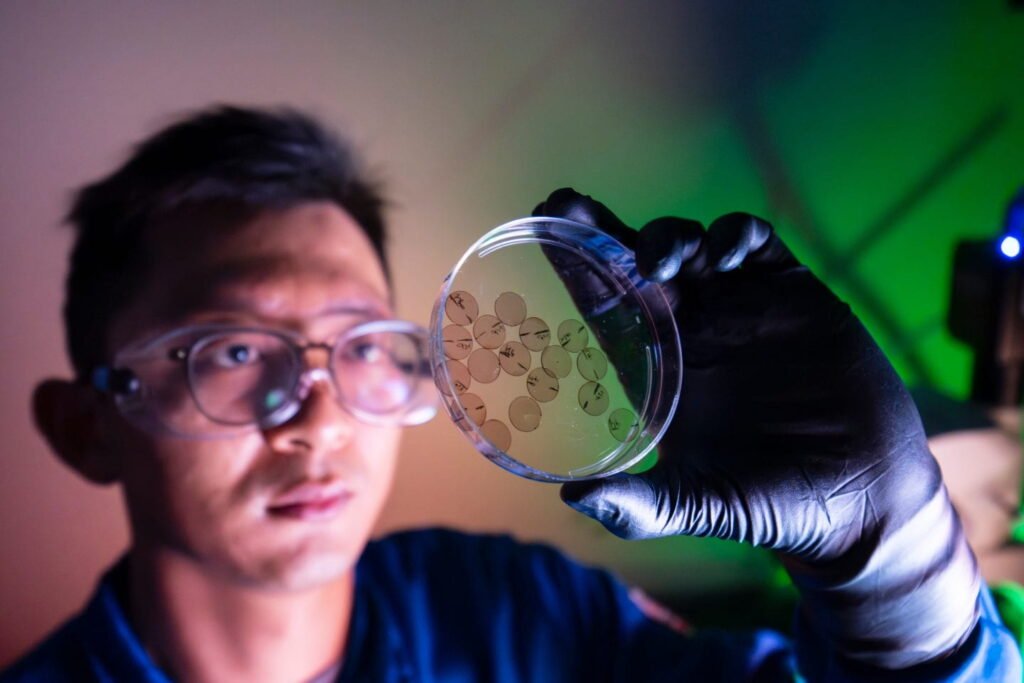
Studying and treating heart disease has long been constrained by the limitations of metal electrodes, which can damage tissue, introduce contamination, and fail to replicate the soft, dynamic environment of the beating heart. Researchers at the University of California, Irvine

Light‑Powered Biohybrid Cardiac Interface Offers New Way to Control Heart Tissue Without Metal Electrodes Read More »

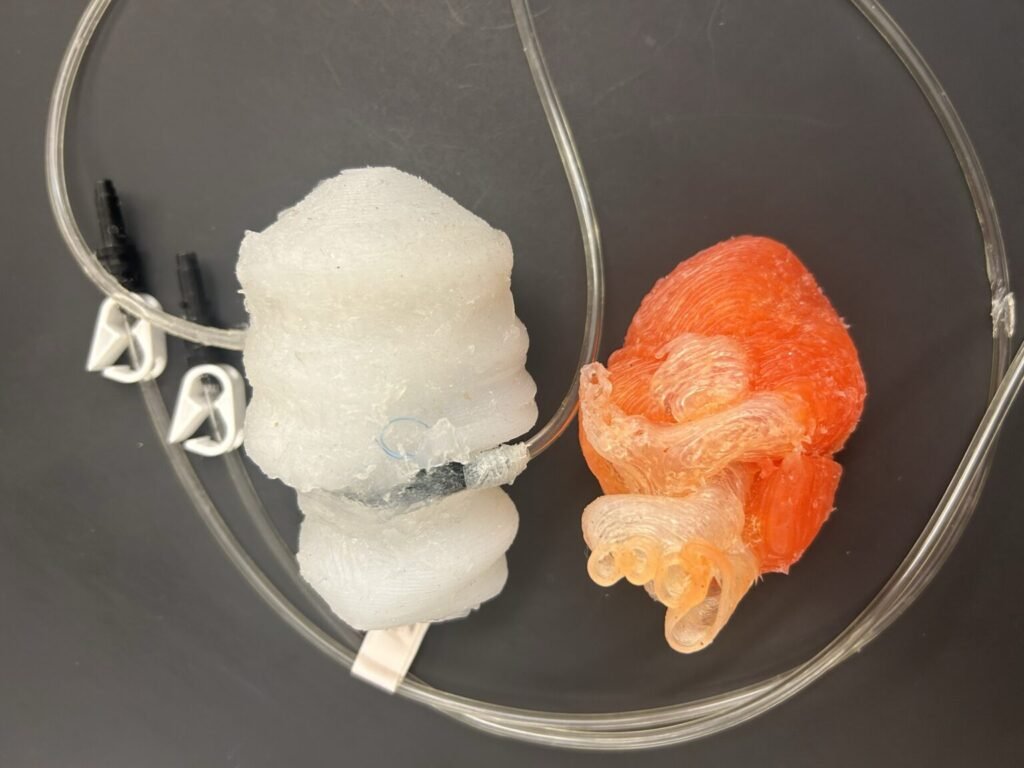
3D‑Printed Beating Heart Model Gives Surgeons a Realistic Way to Practice Complex Procedures

Researchers at Washington State University have created a 3D‑printed heart model that can beat, pump fluid, and mimic the mechanical behavior of real cardiac tissue, offering surgeons a more realistic way to practice complex procedures before entering the operating room.

3D‑Printed Beating Heart Model Gives Surgeons a Realistic Way to Practice Complex Procedures Read More »

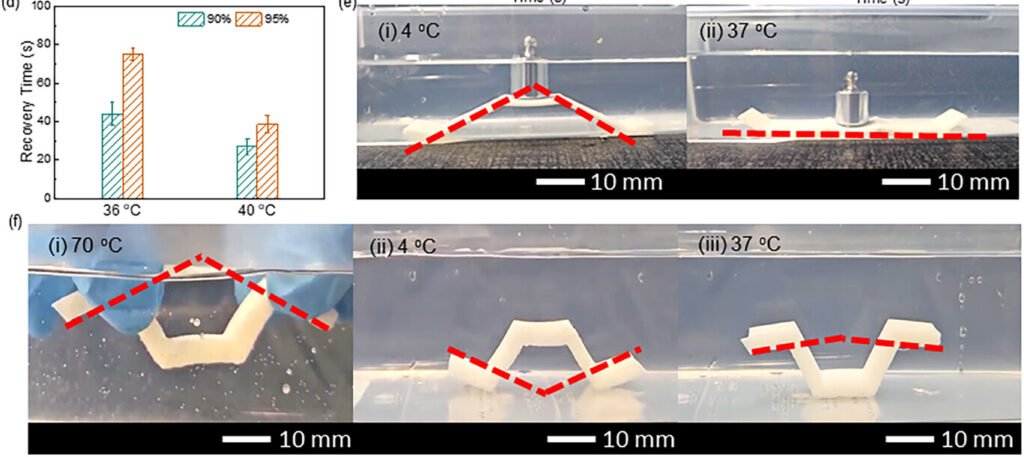
4D Printed Shape Memory Stent Enables Body‑Temperature Deployment for Cardiovascular Treatment

Researchers from Waseda University in Japan have developed a new adaptive vascular stent that can automatically deploy at body temperature using 4D printing and a shape memory polymer composite. The stent is made from a polycaprolactone based material whose thermal

4D Printed Shape Memory Stent Enables Body‑Temperature Deployment for Cardiovascular Treatment Read More »

MagFlow Microcatheter Uses Blood Flow and Magnetic Steering to Deliver Therapies in Tiny Brain Vessels

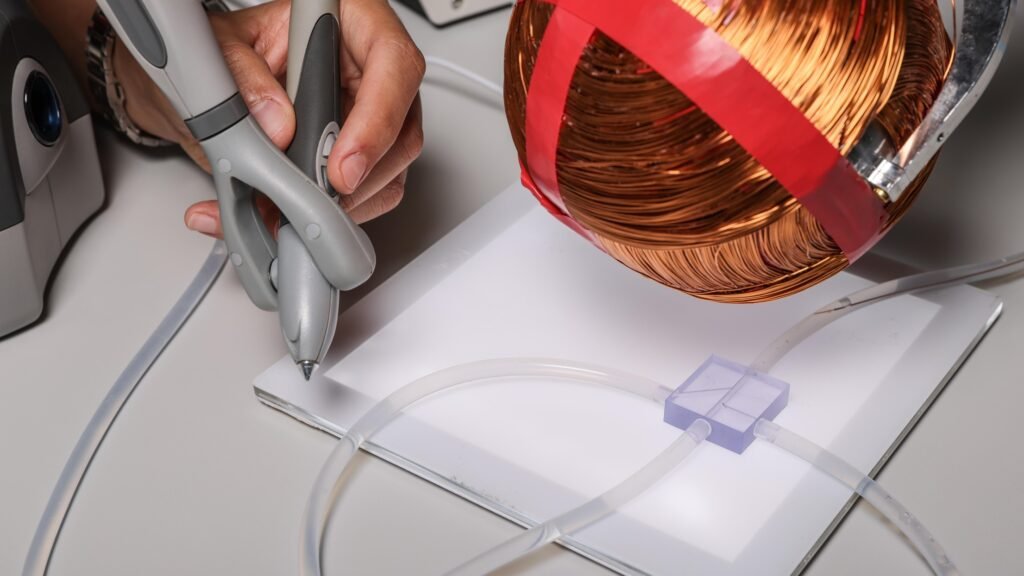
A team at the École Polytechnique Fédérale de Lausanne (EPFL) has introduced MagFlow, an ultraminiaturized neurovascular microcatheter designed to reach the smallest and most complex blood vessels in the human body. Unlike conventional catheters that rely on guidewires and manual

MagFlow Microcatheter Uses Blood Flow and Magnetic Steering to Deliver Therapies in Tiny Brain Vessels Read More »

Scroll to Top