
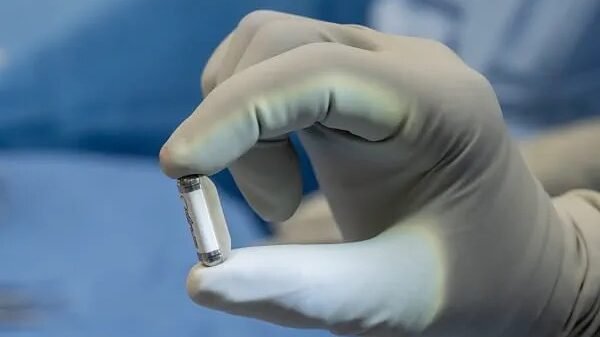
Rheumatoid arthritis affects about 1.5 million people in the United States. In this chronic autoimmune disease, the immune system mistakenly attacks healthy tissue in the joints, causing inflammation, pain, swelling, and stiffness that can make everyday tasks difficult. Over time, it can permanently damage the joints and limit mobility. Medications can help manage symptoms, but some patients do not respond well, experience unwanted side effects, or find that a drug that once worked becomes less effective. A device from California-based medical technology company SetPoint Medical offers a different approach: a small implant that uses electrical stimulation of a nerve to help control the inflammation behind the disease.
The SetPoint System is the first implantable device approved by the U.S. Food and Drug Administration for treating rheumatoid arthritis. It is intended for adults with moderate to severe disease who have not responded adequately to medications or cannot tolerate them. The wireless device, about the size of a multivitamin, is placed on the vagus nerve, where its electrical stimulation activates the body’s natural response to inflammation. Vagus nerve stimulation has been used for years to treat conditions such as epilepsy and to aid stroke recovery, and this device applies the approach in a new way.
Patients are typically referred by their rheumatologist to a neurosurgeon, who places the device on the left vagus nerve through a small incision along a crease in the neck. The outpatient procedure takes about 60 to 90 minutes, and patients usually go home the same day. A few weeks later, once the incision has healed, the rheumatologist activates the device. It then automatically delivers one minute of electrical stimulation each day, often while the patient sleeps. Patients recharge it weekly with a charger worn around the neck, and the device is designed to last up to 10 years.
In clinical studies, patients with the implant showed improvements in their rheumatoid arthritis after three months. After one year, about half had reached low disease activity or remission, and more than 75 percent had not needed to add another medication. These findings helped support the device’s approval in July 2025.
Henry Ford Health in Michigan recently began offering the treatment after its neurosurgery team performed the state’s first commercial implantation at Henry Ford Hospital in Detroit. The first patient, a 71-year-old who has lived with rheumatoid arthritis for nearly three decades, had tried many treatments, including oral medications, injections, and infusion therapy, and had undergone several joint replacement surgeries. She hopes the implant will bring more mobility and less pain in her hands and feet.
The treatment may also offer long-term financial benefits. An analysis co-authored by a Henry Ford Health neurosurgeon projected that over a lifetime, the therapy could reduce health care costs by more than $350,000 per patient compared with medication alone.
Article from Henry Ford Health: First-of-Its-Kind Implant Offers New Approach to Treating Rheumatoid Arthritis
More Information: SetPoint Medical website
