
High blood pressure often develops without clear symptoms, and many patients may unknowingly have an underlying hormonal disorder that routine testing fails to detect. Researchers at the University of Bristol and collaborating institutions found that people with primary aldosteronism experience repeated bursts of hormone production throughout the day and night, including while asleep when blood tests are rarely performed. These hidden hormone spikes may explain why the condition frequently goes undiagnosed, despite affecting up to one in five individuals with hypertension.
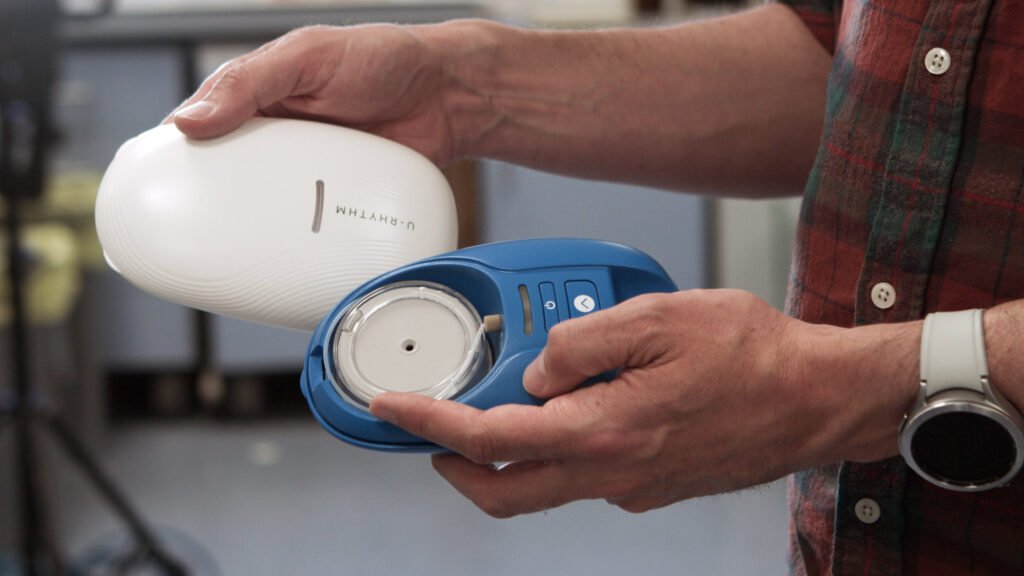
The study uses a portable device developed at the University of Bristol to continuously monitor hormone levels in patients’ homes. The lightweight wearable, called “U‑RHYTHM“, attaches at the waist and measures hormone levels from the skin every twenty minutes. This round‑the‑clock sampling allowed researchers to capture fluctuations that standard daytime blood tests routinely miss. Patients were monitored during normal daily activities, including sleep, providing a realistic picture of how hormone levels change over time.
Primary aldosteronism occurs when the adrenal glands produce excess aldosterone, a hormone that regulates salt and water balance. The disorder increases the risk of heart disease, stroke, diabetes, and other major health problems. Because aldosterone levels can fall below diagnostic thresholds at certain times of day, a single blood test may appear normal even when the disorder is present. The continuous monitoring approach revealed repeated hormone bursts in affected patients, demonstrating why conventional testing often fails to identify the condition.
The proof‑of‑concept investigation included sixty patients from Bristol, Bergen, Stockholm, and Athens. Researchers found that continuous hormone monitoring could uncover irregularities that would otherwise remain hidden, enabling earlier diagnosis and potentially reducing preventable cardiovascular disease. Study authors noted that primary aldosteronism is the most common cause of secondary hypertension seen in their clinics, yet diagnosis is frequently delayed due to the complexity of current testing methods.
The team emphasized that this wearable‑based approach could transform how hypertension is evaluated. By capturing hormone rhythms in real‑world settings, clinicians may be able to identify treatable hormonal causes of high blood pressure more reliably. The researchers view continuous hormone monitoring as a promising path toward earlier detection and improved management of a condition that may affect millions of people.
Article from the University of Bristol: Hidden hormone spikes may reveal high blood pressure condition, study shows
Abstract in Science Translational Medicine: Tissue corticosteroid rhythms are dysregulated predominantly during sleep in primary aldosteronism
