Scott Jung

Scott Jung is a Silicon Valley-based medical and health technology reporter and advocate, with a focus on wearables, telemedicine, and health technology in emerging countries. He previously was at Medgadget and represented them at CES and Digital Health Summit, TEDMED, Stanford Medicine X, and SXSW. Always on the lookout for innovative medical technology worldwide, Scott has been invited to visit Colombia, Poland, and many other countries around the world to share how medtech is enriching the lives of its people. Scott holds a B.S. degree in Biomedical Engineering from the University of Southern California and an M.S. degree in Medical Product Development Management from San José State University. Scott is always looking for the next big thing in medical technology and digital health. Interested in helping him transform lives? Get in touch with him at https://scottju.ng

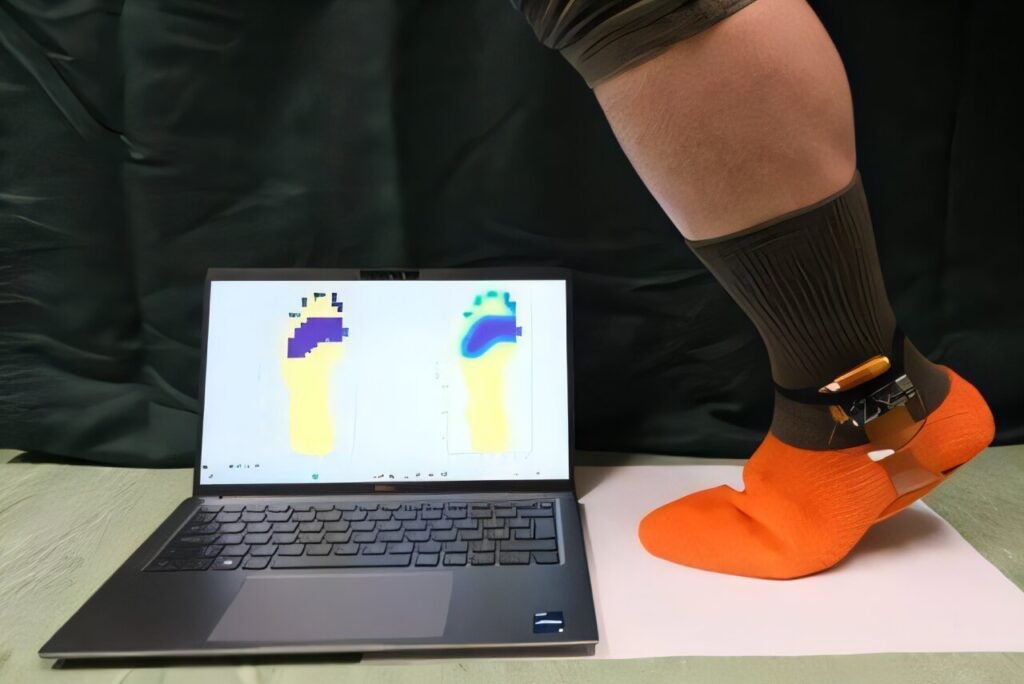
Smart Chipped Shoe Tracks Gait and Balance to Support Older Adults With Mobility Challenges

A new invention from a University of Bristol scientist introduces a sensor‑rich shoe designed to monitor gait, balance, and mobility in older adults, inspired by the needs of the researcher’s own 89‑year‑old mentor. The project began when Professor Dave Bull […]

Smart Chipped Shoe Tracks Gait and Balance to Support Older Adults With Mobility Challenges Read More »

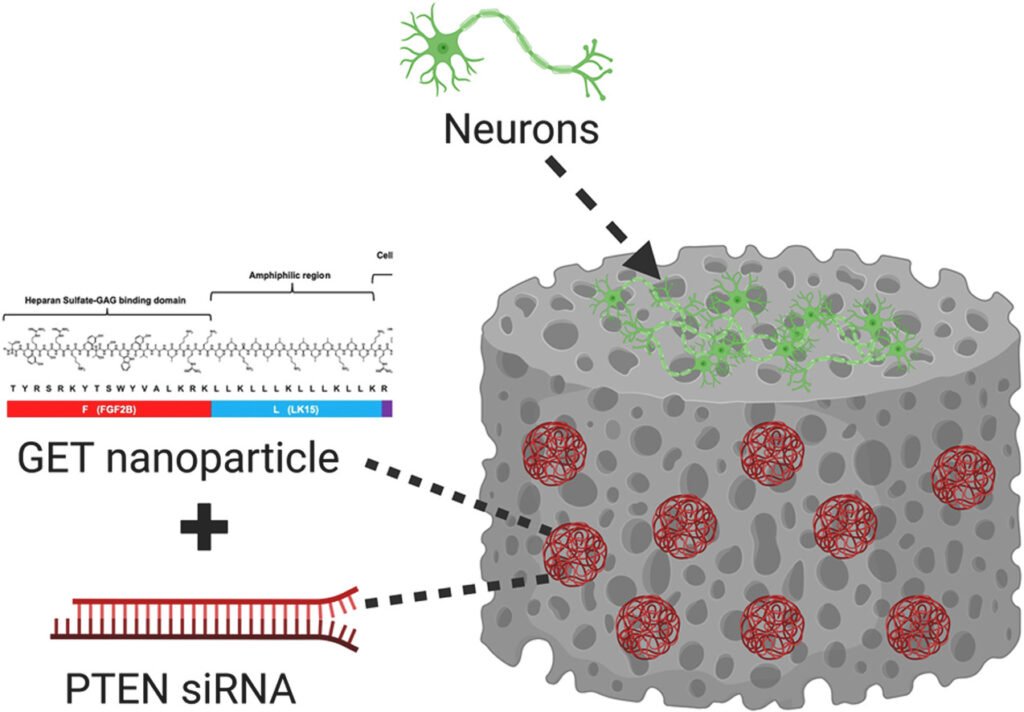
Living Mini‑Brains Integrated With Next‑Generation Bioelectronics for Neural Research

Scientists at Northwestern University have created a platform that merges living human brain organoids with advanced bioelectronic interfaces, enabling long‑term, high‑resolution recording of neural activity. The organoids, often described as miniature brains grown from stem cells, replicate key features of

Living Mini‑Brains Integrated With Next‑Generation Bioelectronics for Neural Research Read More »

Microneedle Biosensor Improves Wireless Glucose Monitoring for Diabetes Care

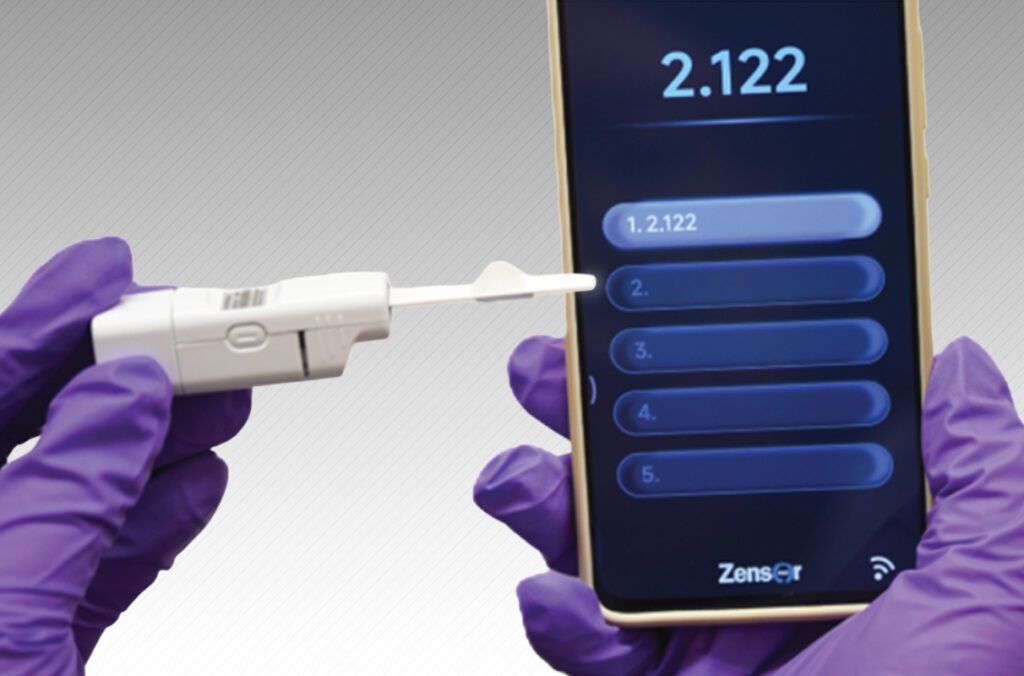
Researchers at Washington State University have developed a wearable microneedle‑based biosensor designed to make glucose monitoring more accurate, less invasive, and more cost‑effective for people with diabetes. The device measures glucose in interstitial fluid using tiny hollow microneedles less than

Microneedle Biosensor Improves Wireless Glucose Monitoring for Diabetes Care Read More »

Low‑Cost AI Microscope Automates Rapid Malaria Diagnosis in Low‑Resource Settings

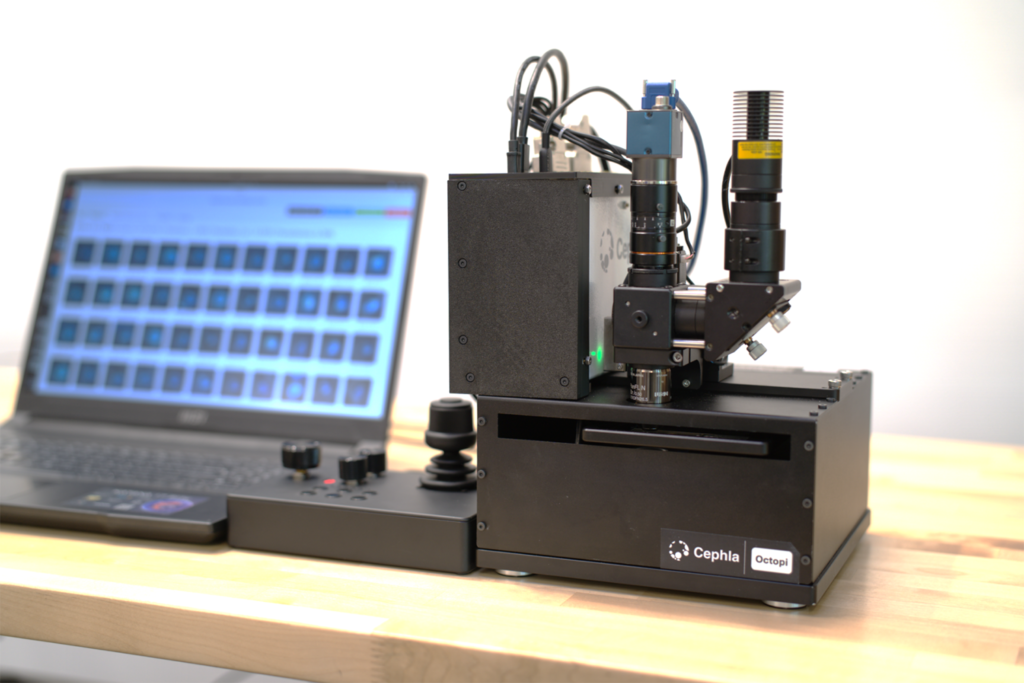
Researchers at Stanford University have developed a low cost, battery or solar powered autonomous microscope called “Octopi” that uses artificial intelligence to diagnose malaria in blood smears with far greater speed and efficiency than manual microscopy. Malaria diagnosis traditionally requires

Low‑Cost AI Microscope Automates Rapid Malaria Diagnosis in Low‑Resource Settings Read More »

Smart Textile Vest Monitors Body Temperature to Prevent Hypothermia in Older Adults

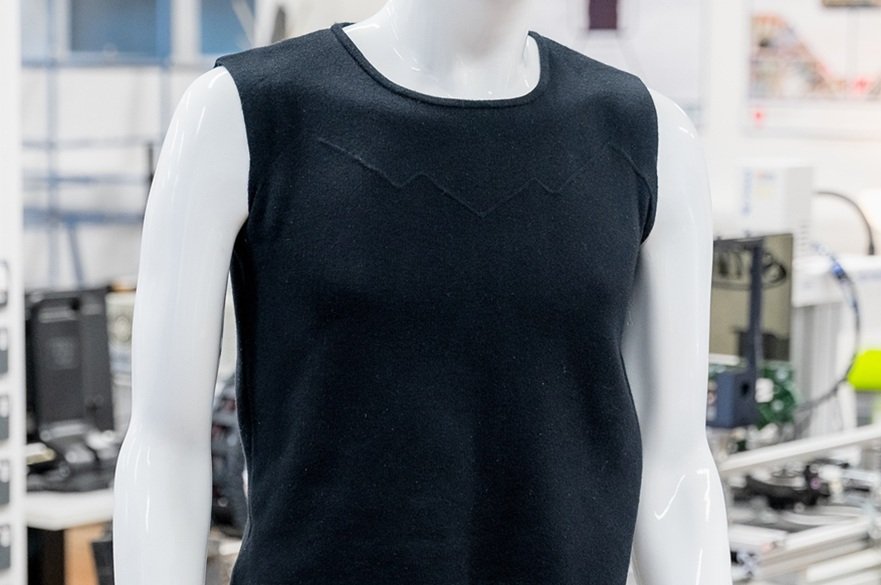
Researchers at Nottingham Trent University have developed a smart textile vest designed to detect early signs of hypothermia in older adults, a population particularly vulnerable to dangerous drops in body temperature. Elderly people lose heat more quickly and often have

Smart Textile Vest Monitors Body Temperature to Prevent Hypothermia in Older Adults Read More »

Wearable Gas‑Sensing Underwear Tracks Real‑Time Gut Activity With Unexpected Precision

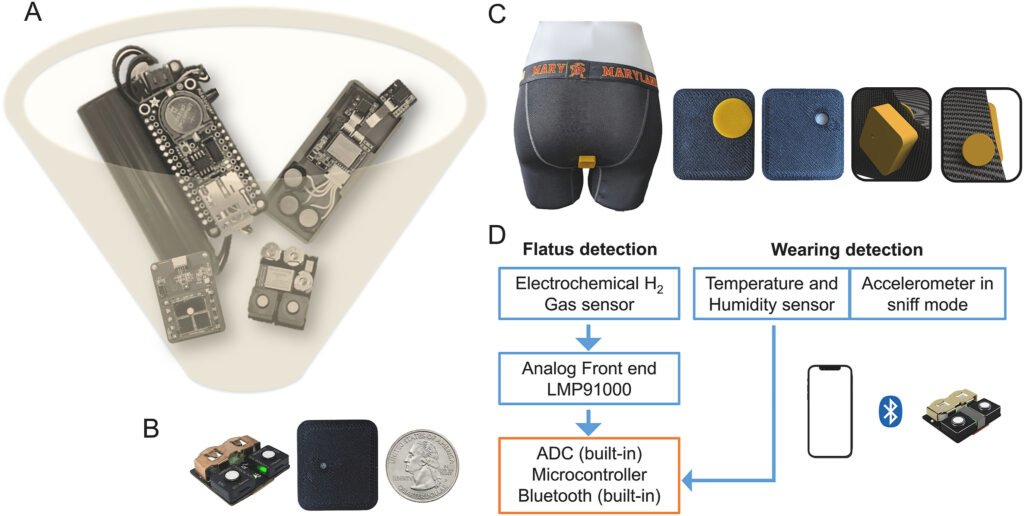
Scientists at the University of Maryland have developed a small wearable sensor, nicknamed “Smart Underwear”, that clips onto any pair of underwear and continuously measures human flatulence by detecting hydrogen gas. The device was created to address a long‑standing gap

Wearable Gas‑Sensing Underwear Tracks Real‑Time Gut Activity With Unexpected Precision Read More »

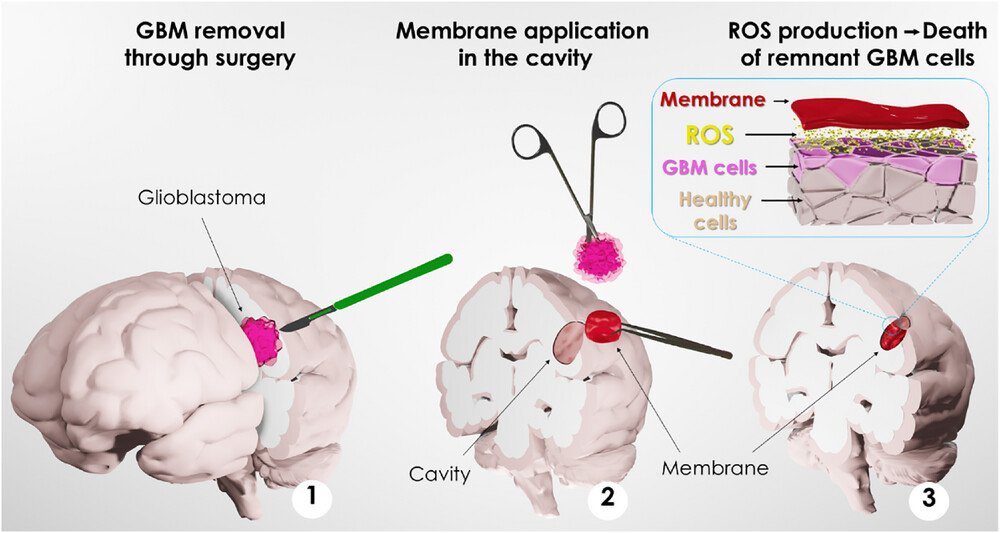
Mussel‑Inspired Bioadhesive Patch Targets and Eliminates Glioblastoma Cells

Researchers at the Institut de Neurociències of the Universitat Autònoma de Barcelona have developed a mussel‑inspired bioadhesive patch designed to eliminate glioblastoma cells, the most aggressive and prevalent form of brain tumor. The patch adheres strongly to wet brain tissue

Mussel‑Inspired Bioadhesive Patch Targets and Eliminates Glioblastoma Cells Read More »

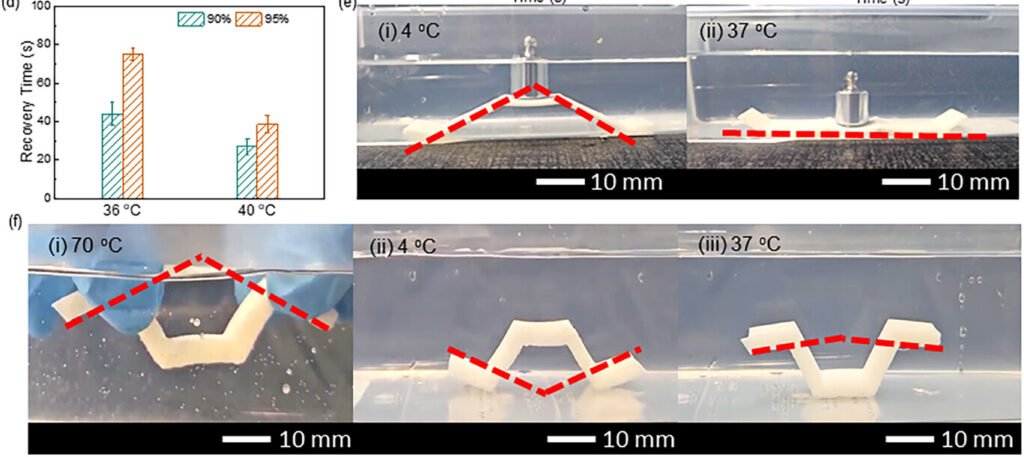
4D Printed Shape Memory Stent Enables Body‑Temperature Deployment for Cardiovascular Treatment

Researchers from Waseda University in Japan have developed a new adaptive vascular stent that can automatically deploy at body temperature using 4D printing and a shape memory polymer composite. The stent is made from a polycaprolactone based material whose thermal

4D Printed Shape Memory Stent Enables Body‑Temperature Deployment for Cardiovascular Treatment Read More »

Scroll to Top