Physical Medicine & Rehabilitation

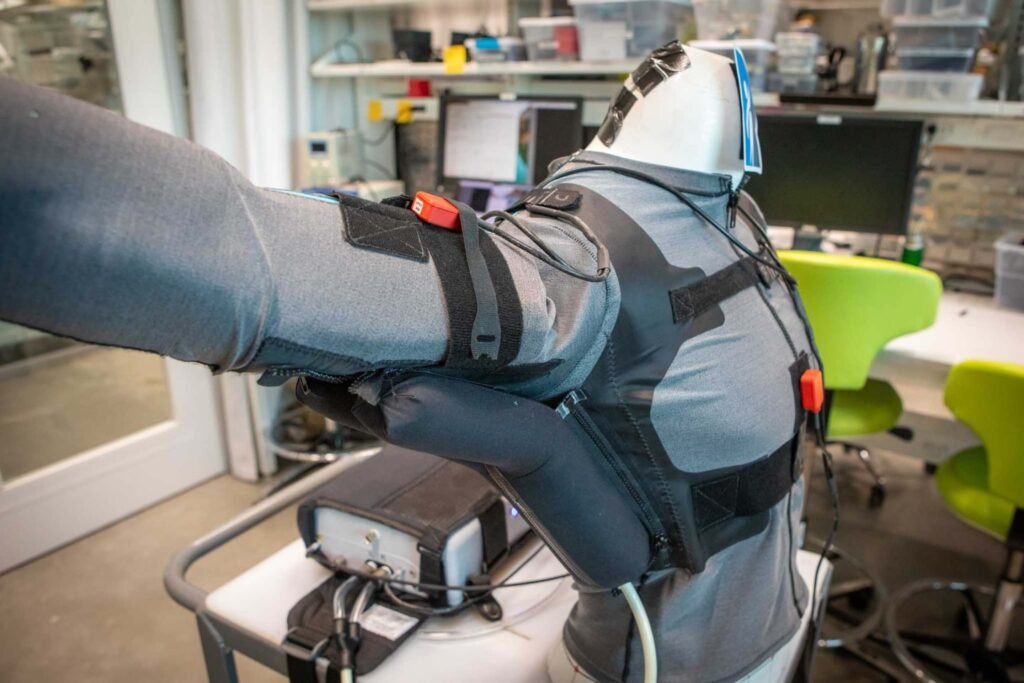
Wearable Robot Learns to Support Stroke and ALS Patients

Harvard University researchers have developed a soft, wearable robotic device that adapts to the unique movement patterns of individuals with upper-limb impairments—such as those caused by stroke or ALS. This next-generation assistive robot uses machine learning and physics-based modeling to […]

Wearable Robot Learns to Support Stroke and ALS Patients Read More »

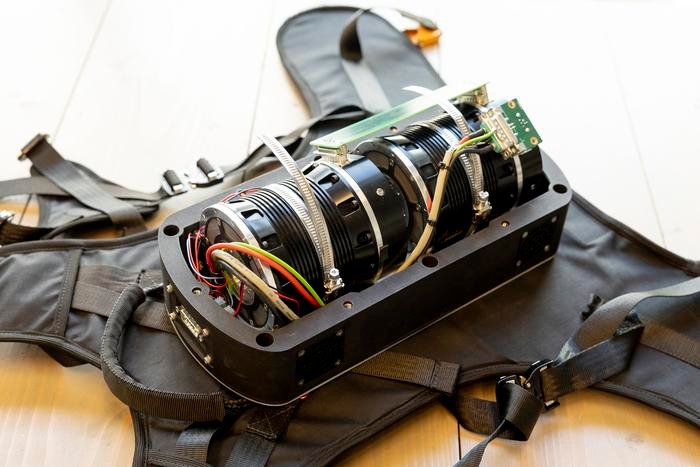
Custom Hand Exoskeletons Help Patients Regain Movement and Independence

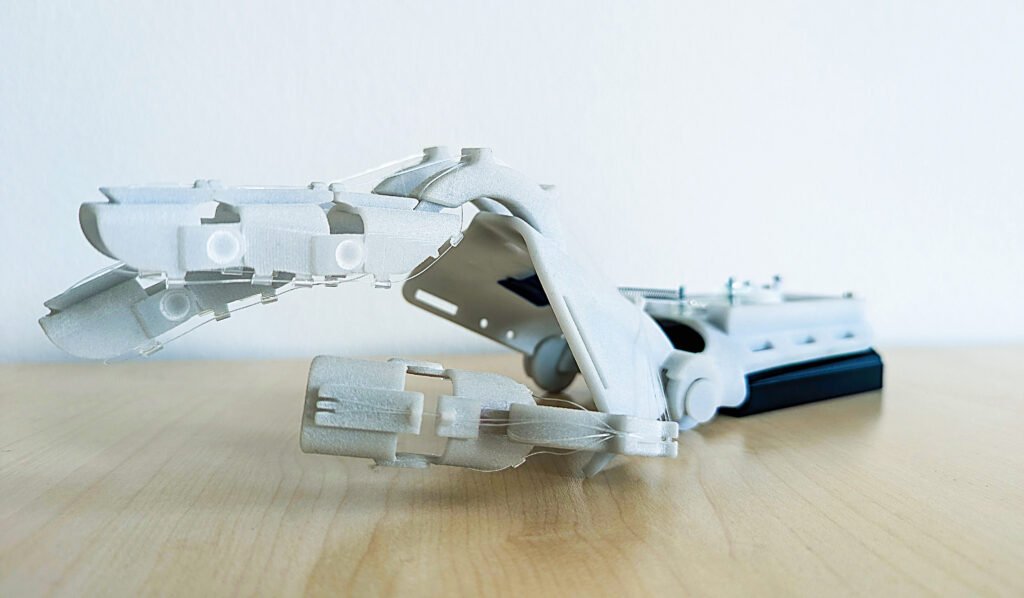
Researchers at the Fraunhofer Institute for Machine Tools and Forming Technology (IWU) have developed a highly personalized hand exoskeleton designed to help people regain mobility after injuries, strokes, or neurological conditions. Unlike generic rehabilitation devices, this exoskeleton is custom-built to

Custom Hand Exoskeletons Help Patients Regain Movement and Independence Read More »

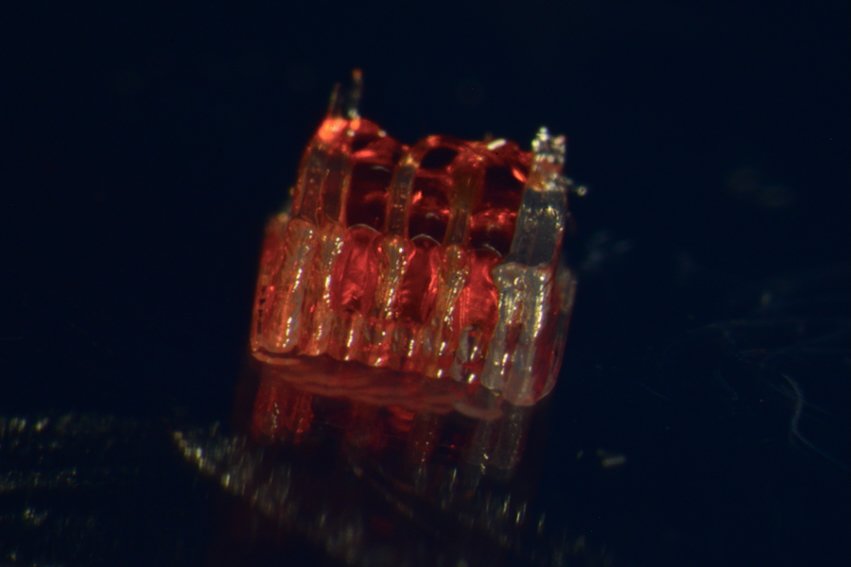
Global Review Maps the Future of Implantable Brain-Computer Interfaces

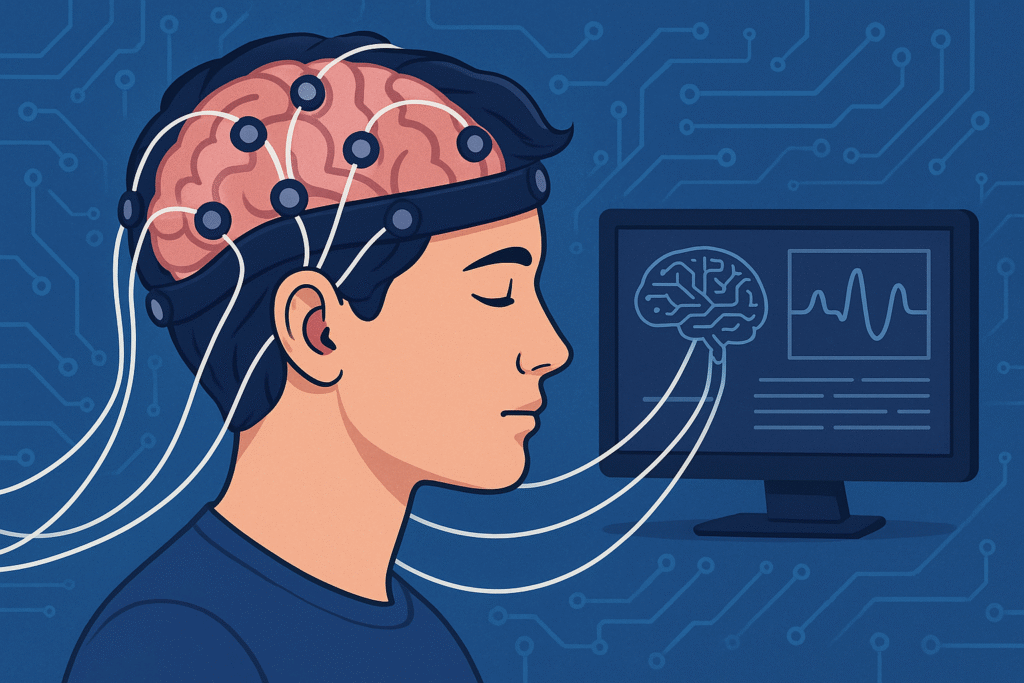
A comprehensive review published in Advanced Science has mapped the evolution of implantable brain-computer interfaces (iBCIs), which decode brain signals to control external devices like robotic limbs or communication tools. The study identified 112 trials involving 80 participants, nearly half published since

Global Review Maps the Future of Implantable Brain-Computer Interfaces Read More »

MIT’s Tissue-Integrated Prosthesis Restores Natural Movement

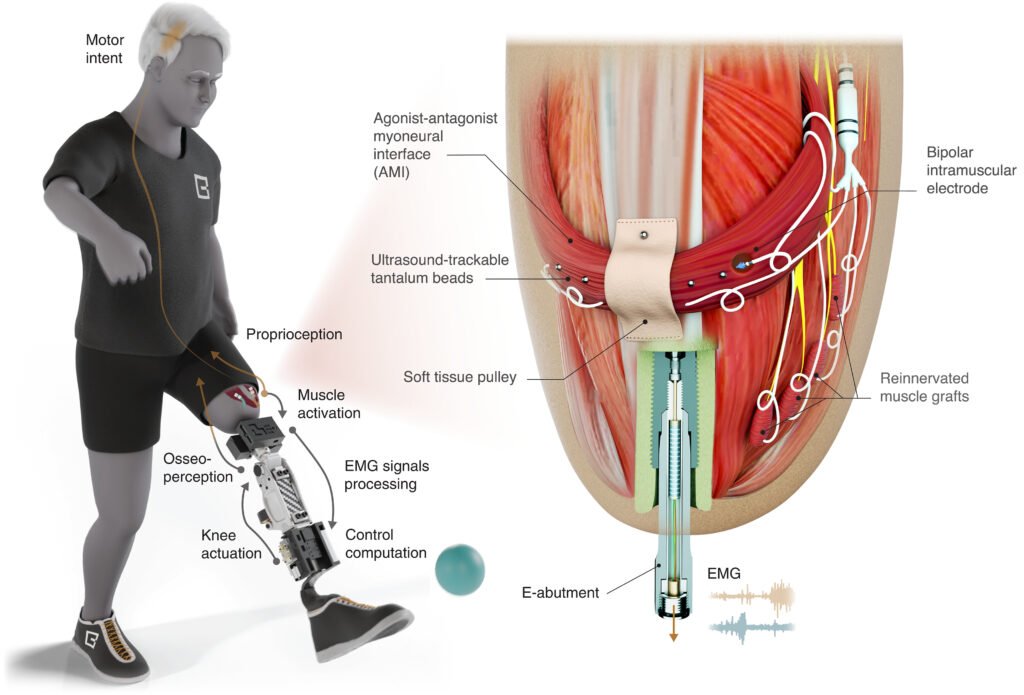
MIT researchers have unveiled a new bionic knee system that could redefine prosthetic integration for people with above-the-knee amputations. Unlike traditional socket-based prostheses, which often feel like external tools, this system is anchored directly into the user’s bone and muscle

MIT’s Tissue-Integrated Prosthesis Restores Natural Movement Read More »

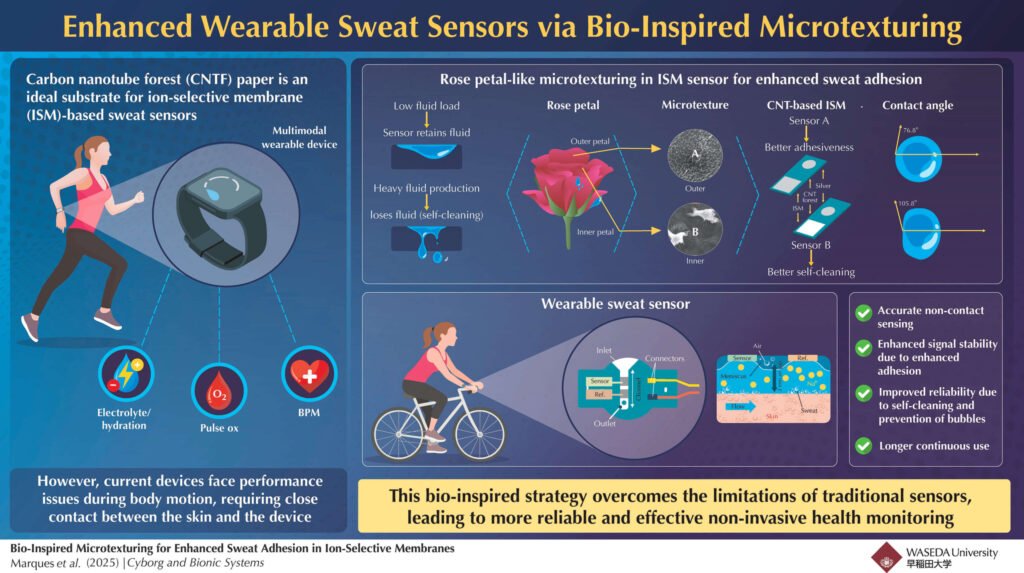
Skin-Like Biosensor Monitors Both Physical Movement and Electrical Signals in the Body

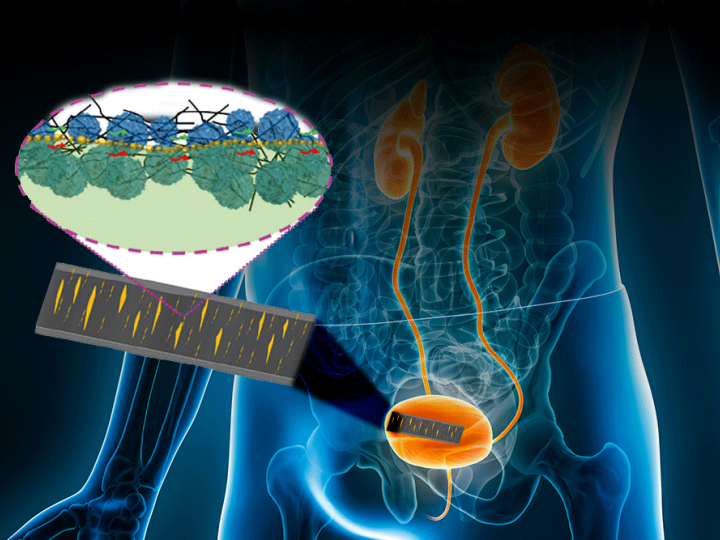
Researchers at Penn State have developed a flexible, skin-like sensor that can monitor both physical movement and electrical signals—internally and externally. Designed to mimic the properties of human skin, the device combines electrical and ionic conductivity, allowing it to interface

Skin-Like Biosensor Monitors Both Physical Movement and Electrical Signals in the Body Read More »

“VRx”: A GizmoMD Book Interview with Author Dr. Brennan Spiegel (December 2020)

Note to readers: These posts are some of my favorite pieces from my time with Medgadget—stories that still resonate, even if they’re a bit dated. For now, consider this a placeholder, a glimpse into the past, until it’s replaced with

“VRx”: A GizmoMD Book Interview with Author Dr. Brennan Spiegel (December 2020) Read More »

Brain-Computer Interface Restores Speech for ALS Patients

A first-of-its-kind brain-computer interface (BCI) developed at UC Davis Health is enabling real-time speech synthesis for ALS patients. Unlike traditional assistive technologies that translate neural activity into text, this system reconstructs voice instantly, allowing for natural conversation. The technology consists

Brain-Computer Interface Restores Speech for ALS Patients Read More »

NASA-Inspired Low-Vibration Belt Lowers Bone Fracture Risk

A new FDA-approved low-vibration belt, Osteoboost, is offering a drug-free intervention for osteopenia, a condition characterized by low bone density. Developed by Bone Health Technologies, the belt applies 30 hertz of oscillations per second to stimulate bone cells, mimicking the

NASA-Inspired Low-Vibration Belt Lowers Bone Fracture Risk Read More »

Scroll to Top