Physical Medicine & Rehabilitation

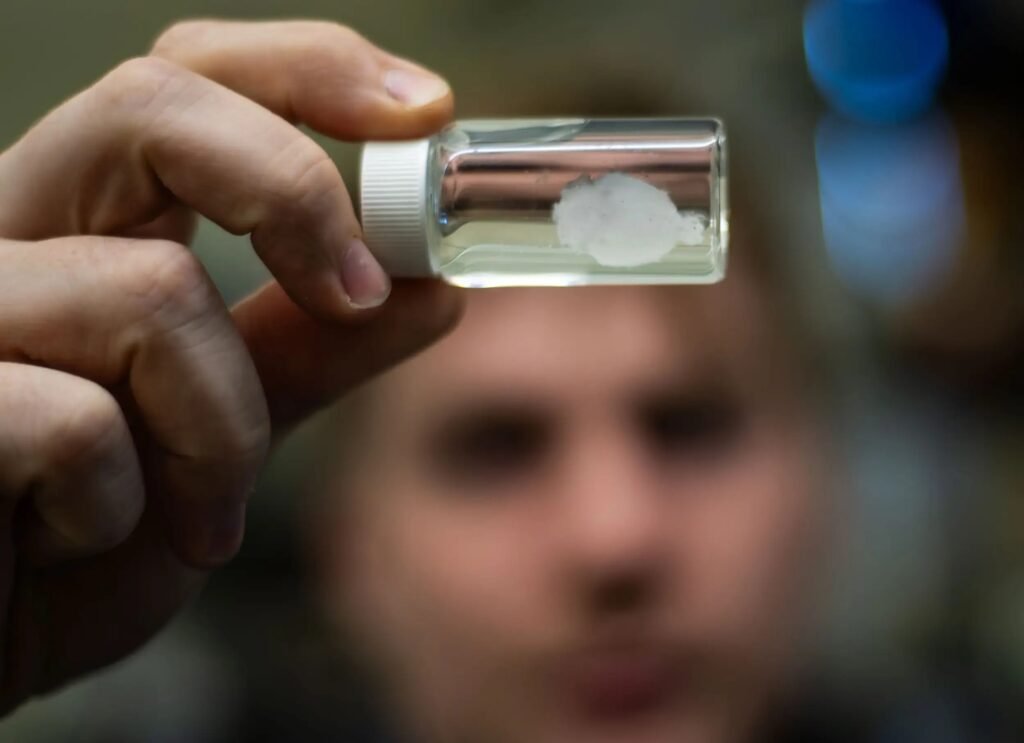
Cooling‑Triggered Drug Delivery Offers Targeted Pain Relief

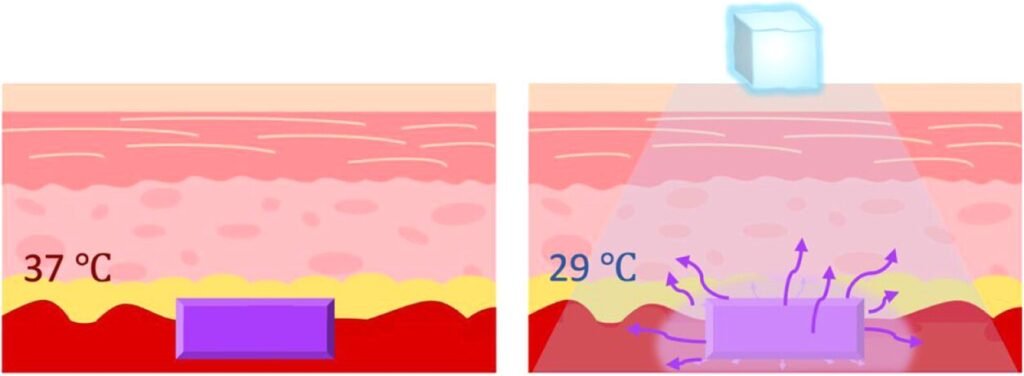
Researchers at Vanderbilt University have developed an innovative drug delivery mechanism that responds to cooling. The system uses a thermoresponsive hydrogel implant that releases medication when exposed to lower temperatures. This approach could allow patients to receive pain relief on demand

Cooling‑Triggered Drug Delivery Offers Targeted Pain Relief Read More »

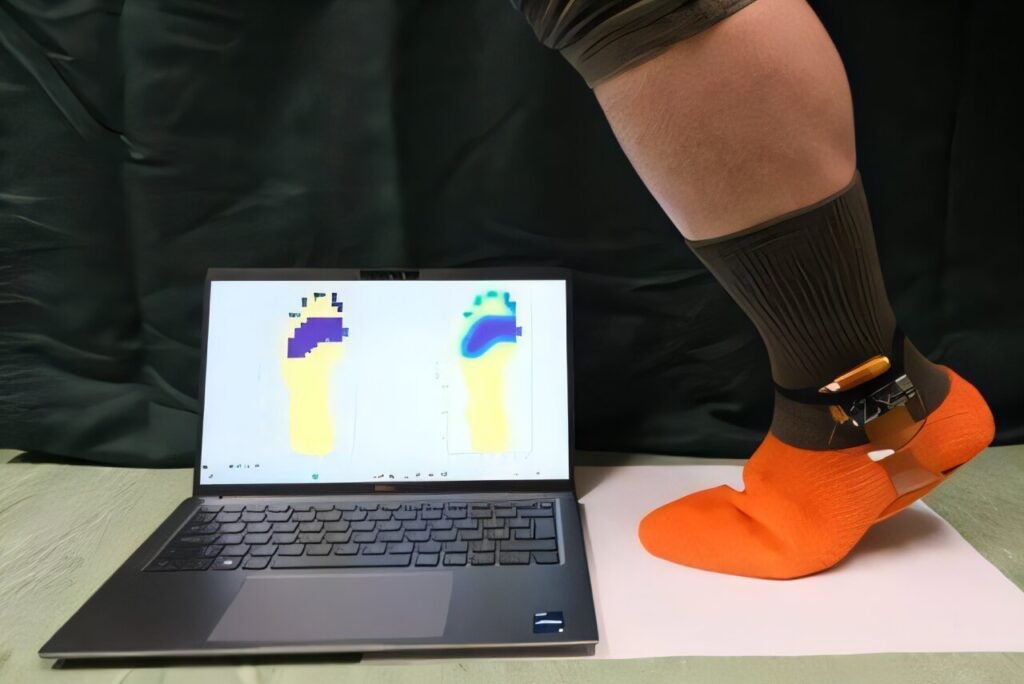
Wearable Foot Sensors and Depth Cameras Match Clinical Standards for Gait Analysis

Researchers at Florida Atlantic University have demonstrated that wearable foot sensors and depth cameras can accurately measure gait in clinical settings, offering a scalable alternative to traditional electronic walkways. This breakthrough could improve how clinicians monitor mobility, detect fall risk,

Wearable Foot Sensors and Depth Cameras Match Clinical Standards for Gait Analysis Read More »

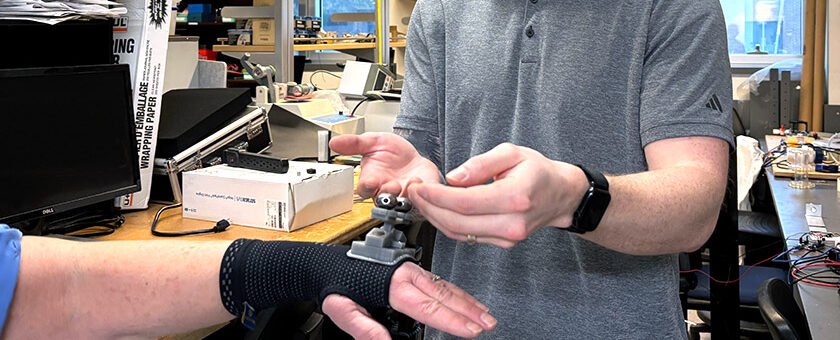
AI-Powered Radar System Monitors Subtle Health Changes Without Wearables

Researchers at the University of Waterloo have developed a contactless radar system that uses artificial intelligence to monitor subtle changes in a person’s health. Unlike wearable devices that require physical contact or regular charging, this system operates remotely by analyzing

AI-Powered Radar System Monitors Subtle Health Changes Without Wearables Read More »

Implantable Neurostimulator Restores Blood Pressure Control After Spinal Cord Injury

A new implant developed through an international collaboration led by the University of Calgary has shown remarkable success in restoring blood pressure regulation for individuals with spinal cord injuries (SCI). The device, which delivers targeted electrical stimulation to the spinal

Implantable Neurostimulator Restores Blood Pressure Control After Spinal Cord Injury Read More »

Artificial Cartilage Offers Smarter Arthritis Relief

Arthritis affects hundreds of millions of people worldwide, often causing chronic pain, stiffness, and reduced mobility. While current treatments can help manage symptoms, they frequently come with side effects and require frequent dosing. Researchers at the University of Cambridge have

Artificial Cartilage Offers Smarter Arthritis Relief Read More »

Scroll to Top