Pharmaceuticals & Drug Development

Ultrasound-Triggered Nanoparticles Deliver Drugs Precisely, Reduce Side Effects

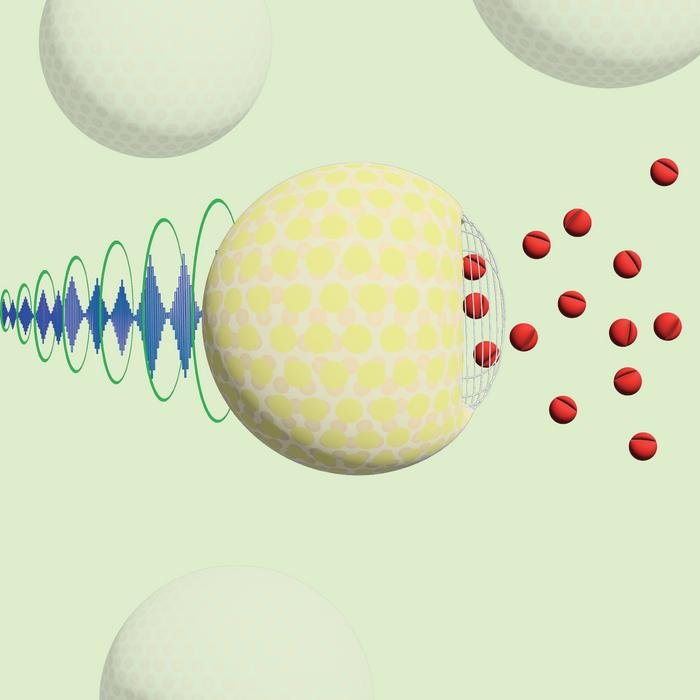
Stanford Medicine researchers have developed a noninvasive drug delivery system that uses ultrasound and sugar-based nanoparticles to release medications precisely where they’re needed—potentially reducing side effects and improving treatment outcomes. This breakthrough, published in Nature Nanotechnology, could transform how drugs are […]

Ultrasound-Triggered Nanoparticles Deliver Drugs Precisely, Reduce Side Effects Read More »

Wireless Implant Targets Tumors with Chemotherapy—Without Side Effects

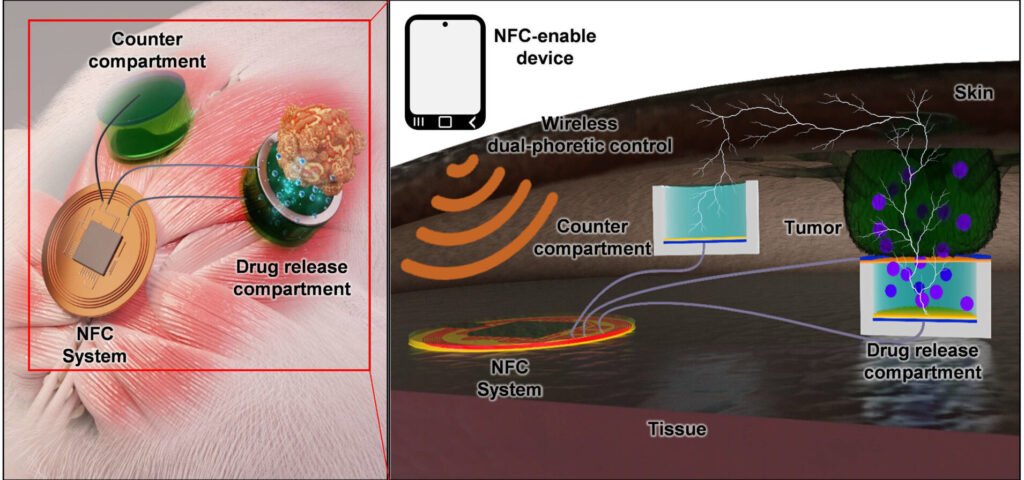
A multidisciplinary team led by Seoul National University has developed a wireless, implantable device that delivers chemotherapy drugs directly into solid tumors—dramatically improving treatment effectiveness while avoiding harmful side effects. Traditional chemotherapy often struggles to penetrate dense tumor tissue, requiring

Wireless Implant Targets Tumors with Chemotherapy—Without Side Effects Read More »

Algorithmic Advances: A Monthly Recap of AI in Healthcare (July 2025)

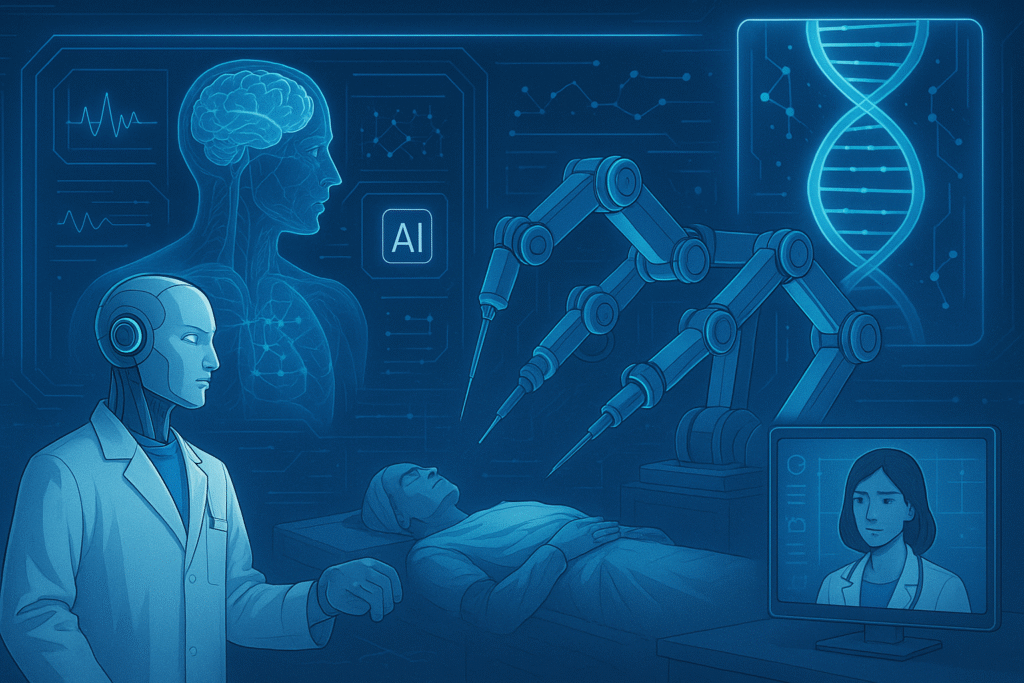
Artificial intelligence may not be a classic “gizmo,” but it’s become an undeniable, rapidly evolving force in healthcare. From streamlining clinical workflows to flagging anomalies in imaging, algorithms are working their way into nearly every corner of medicine. The jury’s

Algorithmic Advances: A Monthly Recap of AI in Healthcare (July 2025) Read More »

Smartphone-Readable Biosensor Measures Cortisol with High Sensitivity

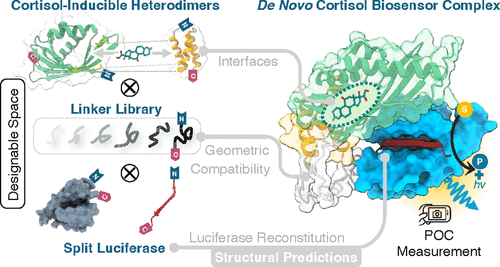
At the University of California Santa Cruz, biomolecular engineer Andy Yeh has developed a luminescent biosensor that detects cortisol—the body’s primary stress hormone—with unprecedented sensitivity and dynamic range. Cortisol regulates blood pressure, metabolism, and immune response, and imbalances are linked

Smartphone-Readable Biosensor Measures Cortisol with High Sensitivity Read More »

Magnet-Guided, Light-Triggered Drug Delivery System for Precision Cancer Treatment

Researchers at the University of Illinois Urbana-Champaign have developed a precision drug delivery system that combines magnetic steering with light-triggered release, offering a new approach to targeted therapies—especially for cancer. The system uses lipid vesicles, which are microscopic containers similar

Magnet-Guided, Light-Triggered Drug Delivery System for Precision Cancer Treatment Read More »

Microneedle Wearable Monitors Both Glucose and Metformin for Diabetics

A new wearable device developed by researchers at the Technion–Israel Institute of Technology and Sun Yat-sen University in China could redefine how diabetes is monitored and treated. The system uses a microneedle-based patch to continuously track both glucose levels and

Microneedle Wearable Monitors Both Glucose and Metformin for Diabetics Read More »

“Tattoo” That Detects Drink Tampering in One Second

Researchers in South Korea have developed a temporary tattoo-like sticker that can instantly detect the presence of γ-hydroxybutyrate (GHB), a drug commonly used to spike drinks and facilitate sexual assault. The innovation, published in ACS Sensors, offers a discreet, rapid, and

“Tattoo” That Detects Drink Tampering in One Second Read More »

3D-Printed, Living Lung Tissue Developed to Study Respiratory Diseases, Treatments, and Personalized Medicine

Researchers at UBC Okanagan have developed a 3D bioprinted model that closely mimics the complexity of living lung tissue, marking a major advance in how scientists study respiratory diseases and test new treatments. Led by Dr. Emmanuel Osei, the team

3D-Printed, Living Lung Tissue Developed to Study Respiratory Diseases, Treatments, and Personalized Medicine Read More »

Scroll to Top