
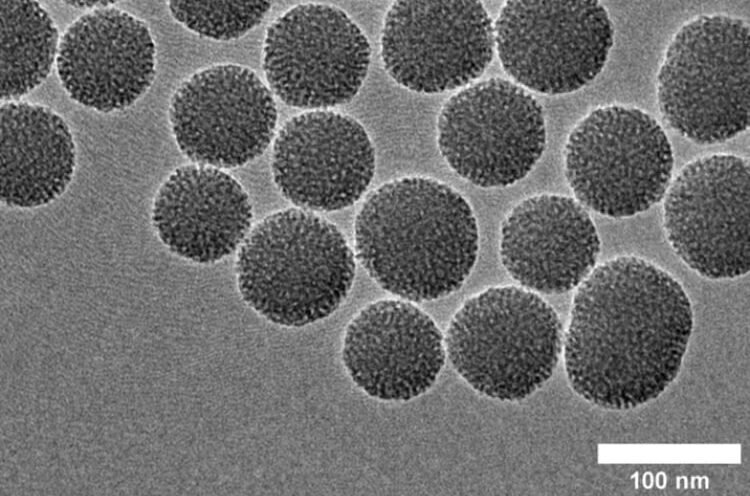
A team at the University of Colorado, Boulder has introduced a novel cancer treatment approach that uses ultrasound waves to soften tumors, enabling chemotherapy drugs to penetrate more effectively. Cancer remains the second leading cause of death in the United States, and one of the challenges in treatment is that tumor tissue is often so dense that drugs cannot reach the inner layers of cancer cells.
The CU Boulder researchers paired high‑frequency ultrasound with specially designed particles that respond to sound waves. This combination reduced the protein content of tumors, loosening their structure and allowing chemotherapy agents to spread more evenly. By targeting the tumor microenvironment directly, the method aims to improve drug delivery without harming surrounding healthy tissue.
The findings suggest that ultrasound‑responsive particles could become a powerful tool in oncology, particularly for cancers such as prostate, bladder, ovarian, and breast, where dense tumor tissue often limits treatment success.
The researchers emphasized that current chemotherapy regimens can damage healthy cells and cause severe side effects. By softening tumors before drug administration, the new technique could reduce these risks and enhance therapeutic outcomes. While the work is still in the experimental stage, it represents a promising step toward more precise and less invasive cancer therapies.
Article from CU Boulder: Scientists use ultrasound to soften and treat cancer tumors without damaging healthy tissue
Abstract in ACS Applied Nano Materials: Effect of Inertial Cavitation by Ultrasound Active Silica Nanoparticles on 2- and 3D Cellular Systems
