Pharmaceuticals & Drug Development

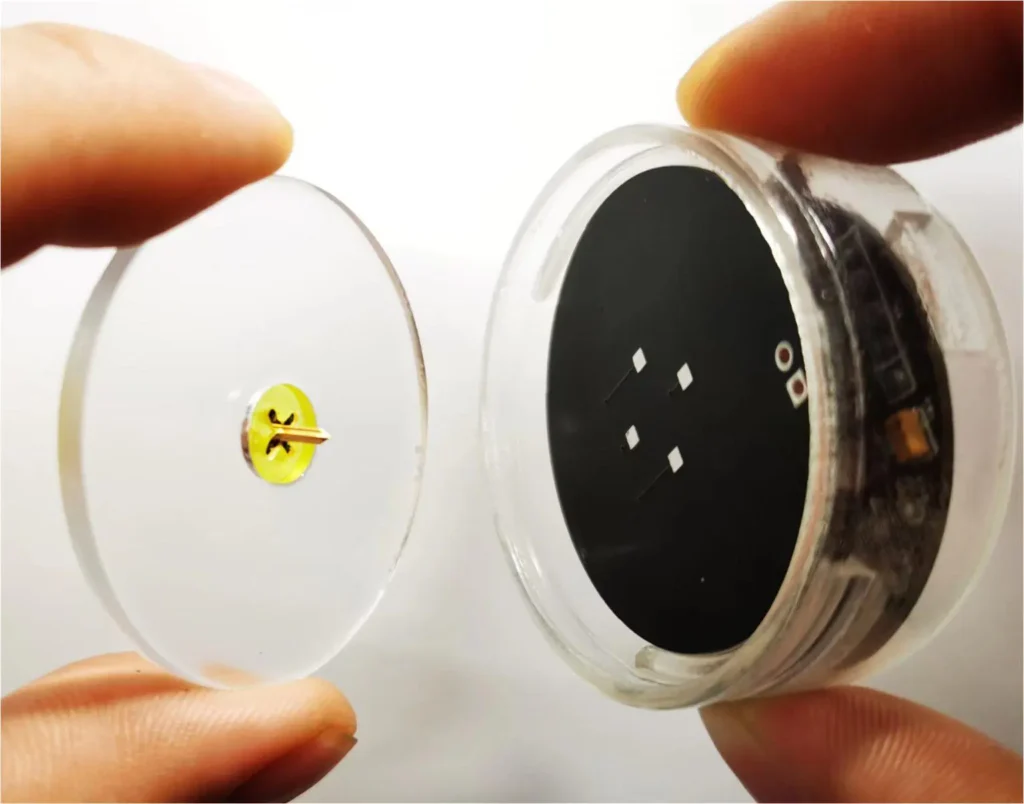
Microneedle Wearable Monitors Both Glucose and Metformin for Diabetics

A new wearable device developed by researchers at the Technion–Israel Institute of Technology and Sun Yat-sen University in China could redefine how diabetes is monitored and treated. The system uses a microneedle-based patch to continuously track both glucose levels and […]

Microneedle Wearable Monitors Both Glucose and Metformin for Diabetics Read More »

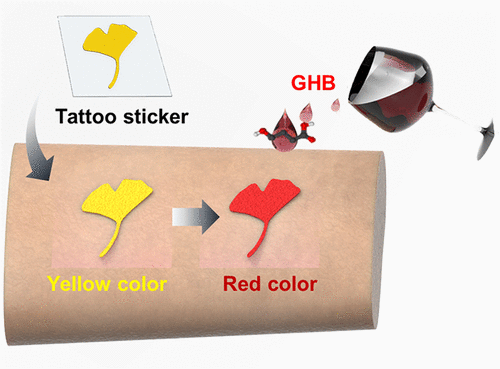
“Tattoo” That Detects Drink Tampering in One Second

Researchers in South Korea have developed a temporary tattoo-like sticker that can instantly detect the presence of γ-hydroxybutyrate (GHB), a drug commonly used to spike drinks and facilitate sexual assault. The innovation, published in ACS Sensors, offers a discreet, rapid, and

“Tattoo” That Detects Drink Tampering in One Second Read More »

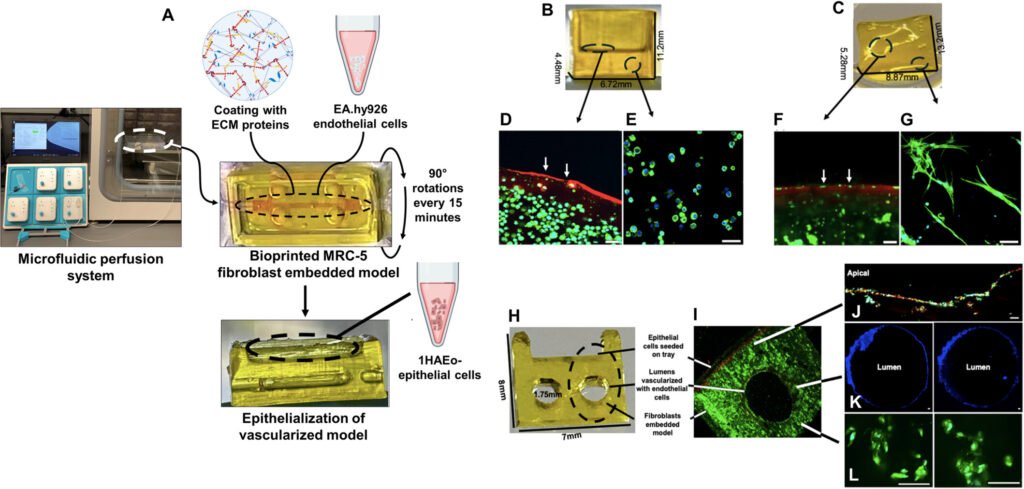
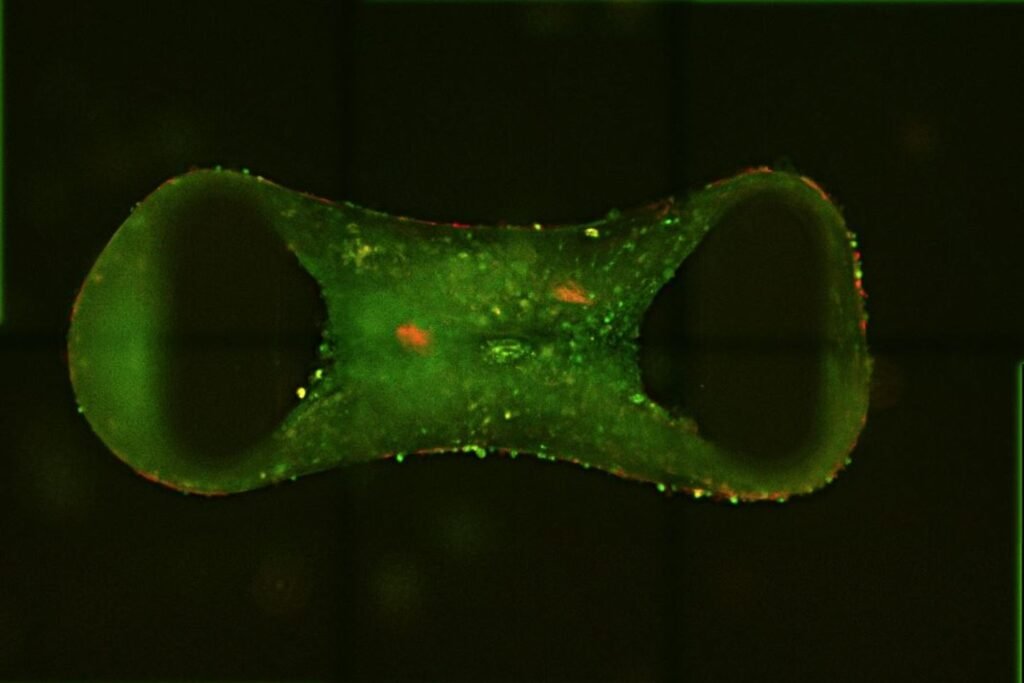
3D-Printed, Living Lung Tissue Developed to Study Respiratory Diseases, Treatments, and Personalized Medicine

Researchers at UBC Okanagan have developed a 3D bioprinted model that closely mimics the complexity of living lung tissue, marking a major advance in how scientists study respiratory diseases and test new treatments. Led by Dr. Emmanuel Osei, the team

3D-Printed, Living Lung Tissue Developed to Study Respiratory Diseases, Treatments, and Personalized Medicine Read More »

‘Exploding’ Capsules Deliver Insulin and Other Injectable Drugs

For millions of people with diabetes and other chronic conditions, daily injections are a painful, inconvenient reality. That’s because many protein-based drugs—like insulin, semaglutide (Ozempic), and monoclonal antibodies—can’t survive the harsh environment of the gastrointestinal tract. But engineers at Georgia

‘Exploding’ Capsules Deliver Insulin and Other Injectable Drugs Read More »

Lab-Grown Cardiac Tissues Offer Hope for Genetic Heart Disease

For patients with inherited heart conditions—especially children—treatment options are often limited, and studying the disease in the lab has long been a challenge. That’s because traditional stem-cell-derived heart cells tend to remain immature, behaving more like fetal tissue than adult

Lab-Grown Cardiac Tissues Offer Hope for Genetic Heart Disease Read More »

Researchers Reprogram E. coli to Transform Plastic Into Paracetamol

In a groundbreaking fusion of synthetic chemistry and biotechnology, researchers at the University of Edinburgh have engineered E. coli bacteria to convert plastic waste into paracetamol, the common painkiller also known as acetaminophen. The process begins with polyethylene terephthalate (PET)—the plastic found

Researchers Reprogram E. coli to Transform Plastic Into Paracetamol Read More »

Smartphone App Accelerates Huntington’s Disease Drug Development

A new smartphone-based digital testing system is poised to transform Huntington’s disease research by providing a more sensitive and reliable way to track disease progression. Developed by University College London and Roche, the Huntington’s Disease Digital Motor Score (HDDMS) quantifies

Smartphone App Accelerates Huntington’s Disease Drug Development Read More »

Scroll to Top