Personalized Medicine

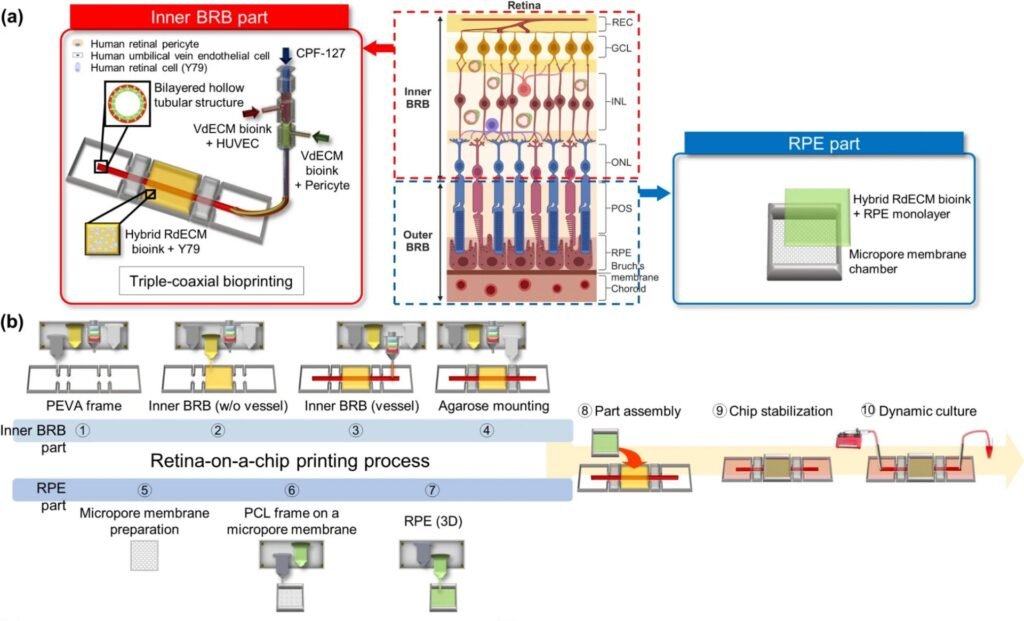
Retina-on-a-Chip Model Recreates Retinal Vein Occlusion for Drug Testing and Personalized Therapies

A new retina-on-a-chip platform is offering researchers a powerful tool to study retinal vein occlusion, one of the leading causes of blindness worldwide. Developed by a multidisciplinary team from POSTECH in Korea, the model mimics the complex vascular and neural

Retina-on-a-Chip Model Recreates Retinal Vein Occlusion for Drug Testing and Personalized Therapies Read More »

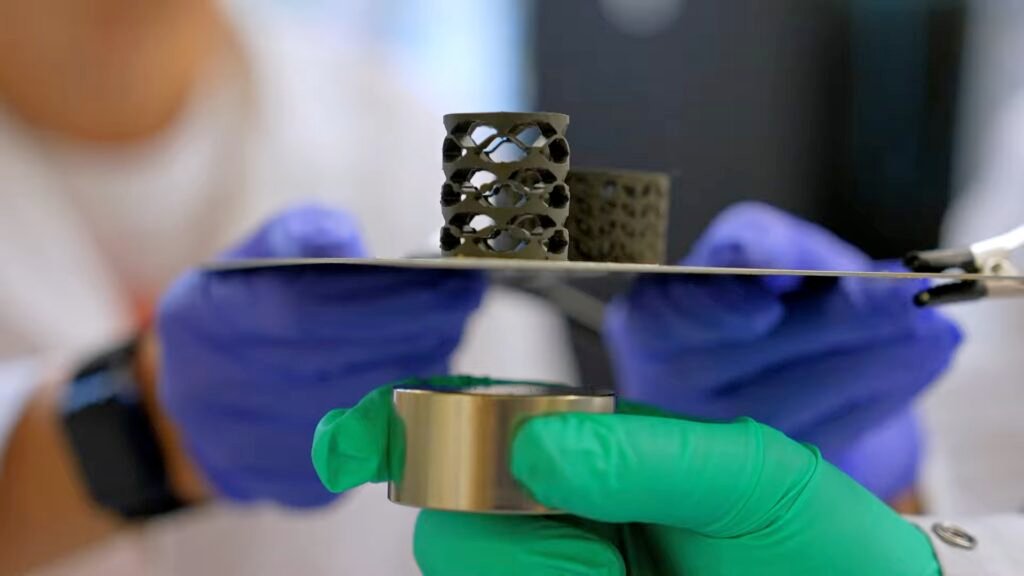
Shape-Shifting Metamaterial Could Transform Implantable and Ingestible Medical Devices

Researchers at Rice University have developed a soft, programmable metamaterial that can rapidly change its shape and size when activated remotely, offering a new foundation for safer and more versatile medical devices. This innovation could revolutionize how implantable and ingestible

Shape-Shifting Metamaterial Could Transform Implantable and Ingestible Medical Devices Read More »

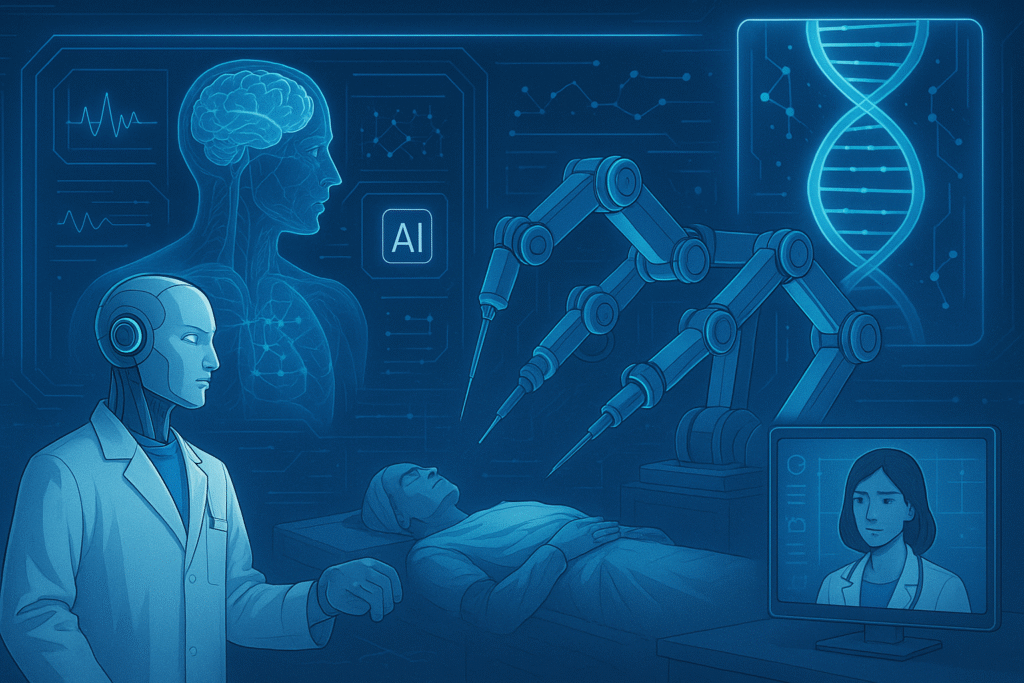
Algorithmic Advances: A Monthly Recap of AI in Healthcare (August 2025)

Artificial intelligence may not be a classic “gizmo,” but it’s become an undeniable, rapidly evolving force in healthcare. From streamlining clinical workflows to flagging anomalies in imaging, algorithms are working their way into nearly every corner of medicine. The jury’s

Algorithmic Advances: A Monthly Recap of AI in Healthcare (August 2025) Read More »

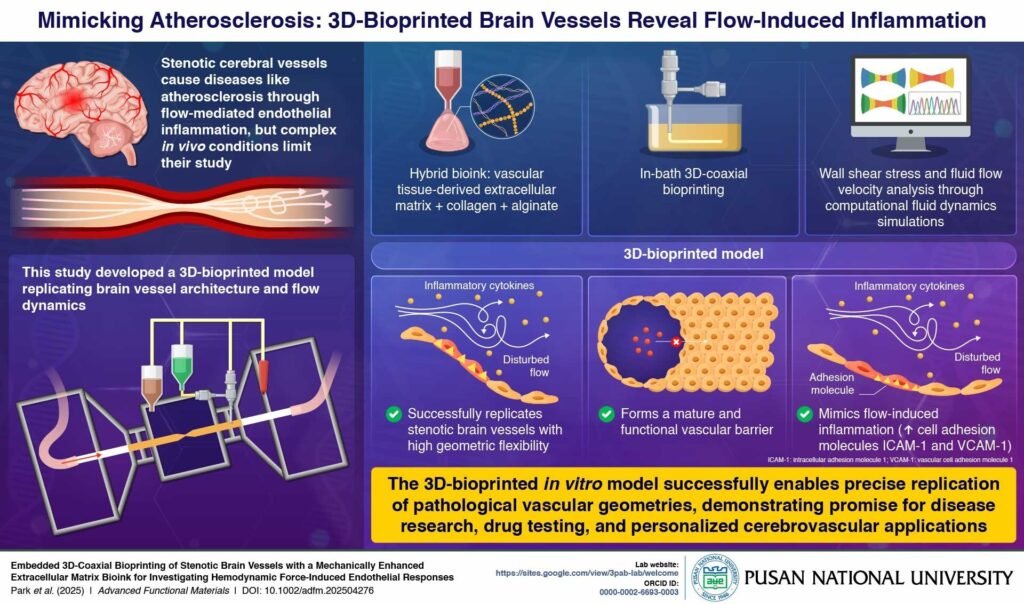
3D-Printed Brain Vessels Offer New Insights into Stroke and Atherosclerosis

A team of researchers from Pusan National University has unveiled a groundbreaking 3D-bioprinted model of brain blood vessels designed to mimic the pathological conditions of atherosclerosis and stroke. This innovation addresses a long-standing challenge in vascular research: how to replicate

3D-Printed Brain Vessels Offer New Insights into Stroke and Atherosclerosis Read More »

Algorithmic Advances: A Monthly Recap of AI in Healthcare (July 2025)

Artificial intelligence may not be a classic “gizmo,” but it’s become an undeniable, rapidly evolving force in healthcare. From streamlining clinical workflows to flagging anomalies in imaging, algorithms are working their way into nearly every corner of medicine. The jury’s

Algorithmic Advances: A Monthly Recap of AI in Healthcare (July 2025) Read More »

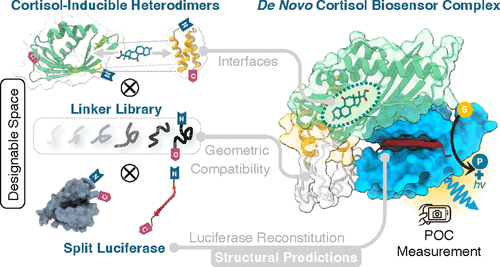
Smartphone-Readable Biosensor Measures Cortisol with High Sensitivity

At the University of California Santa Cruz, biomolecular engineer Andy Yeh has developed a luminescent biosensor that detects cortisol—the body’s primary stress hormone—with unprecedented sensitivity and dynamic range. Cortisol regulates blood pressure, metabolism, and immune response, and imbalances are linked

Smartphone-Readable Biosensor Measures Cortisol with High Sensitivity Read More »

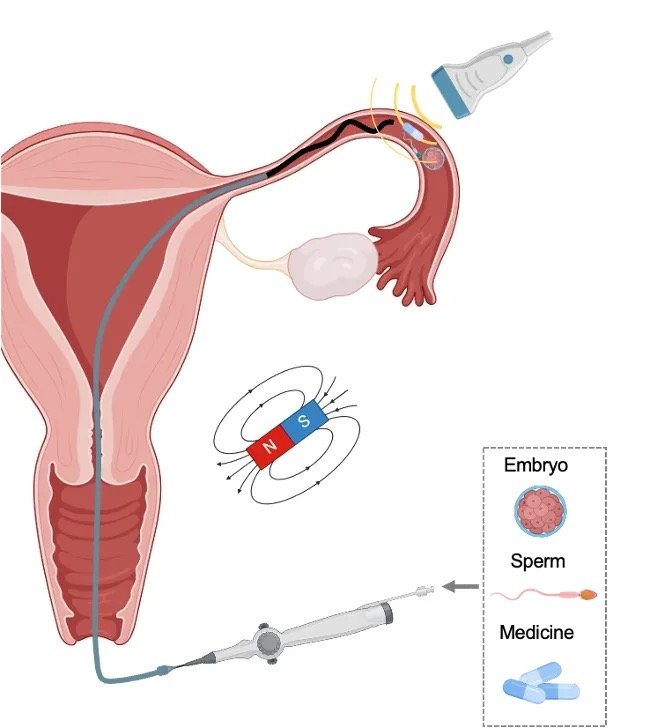
Magnet-Guided, Light-Triggered Drug Delivery System for Precision Cancer Treatment

Researchers at the University of Illinois Urbana-Champaign have developed a precision drug delivery system that combines magnetic steering with light-triggered release, offering a new approach to targeted therapies—especially for cancer. The system uses lipid vesicles, which are microscopic containers similar

Magnet-Guided, Light-Triggered Drug Delivery System for Precision Cancer Treatment Read More »

Microneedle Wearable Monitors Both Glucose and Metformin for Diabetics

A new wearable device developed by researchers at the Technion–Israel Institute of Technology and Sun Yat-sen University in China could redefine how diabetes is monitored and treated. The system uses a microneedle-based patch to continuously track both glucose levels and

Microneedle Wearable Monitors Both Glucose and Metformin for Diabetics Read More »

Scroll to Top