Neurosurgery

Global Review Maps the Future of Implantable Brain-Computer Interfaces

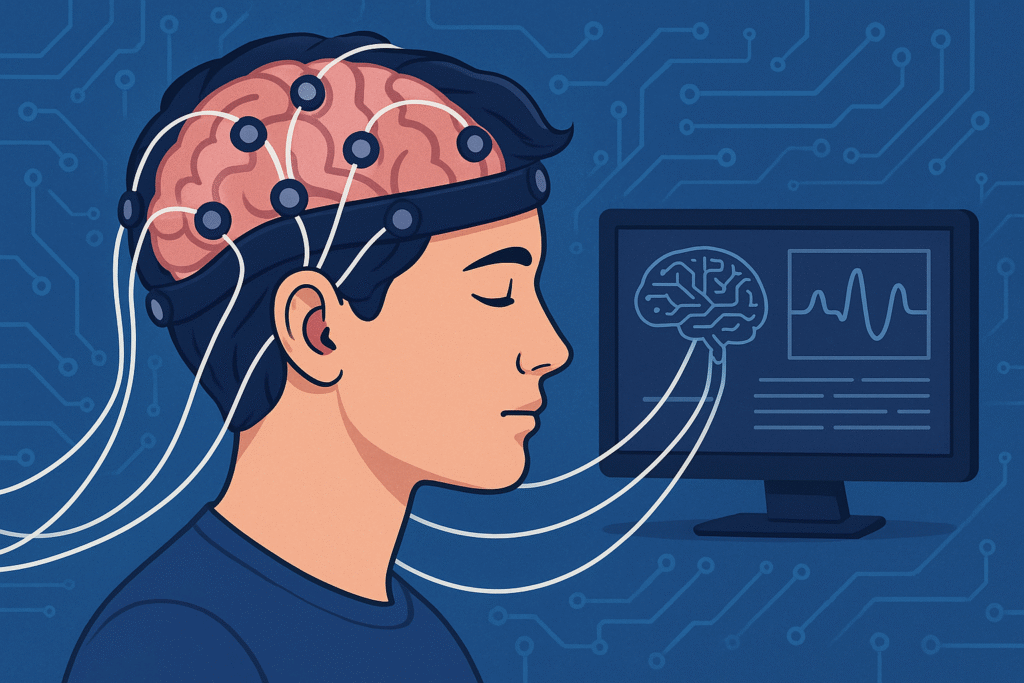
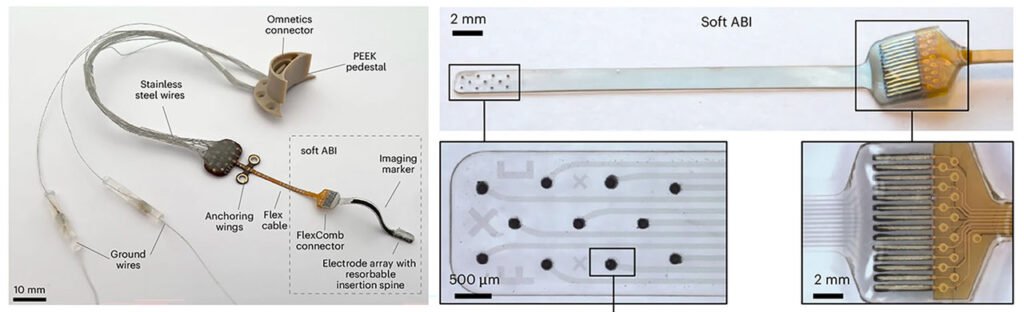
A comprehensive review published in Advanced Science has mapped the evolution of implantable brain-computer interfaces (iBCIs), which decode brain signals to control external devices like robotic limbs or communication tools. The study identified 112 trials involving 80 participants, nearly half published since […]

Global Review Maps the Future of Implantable Brain-Computer Interfaces Read More »

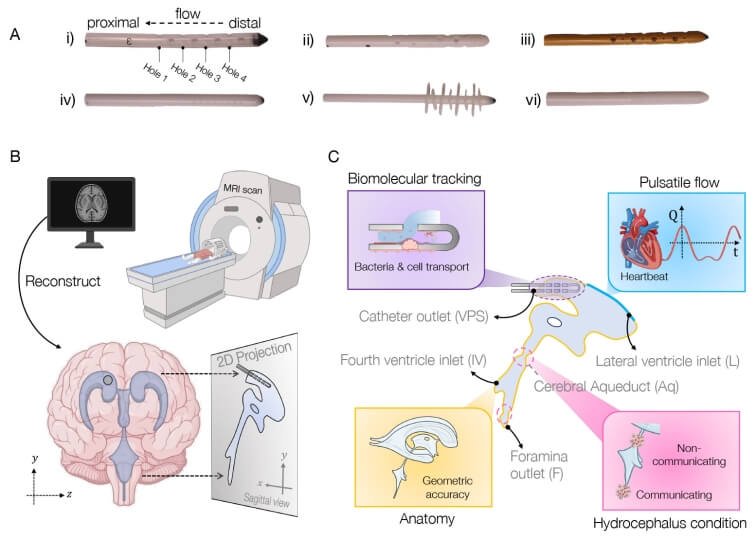
Computational Model Helps With Customized Brain Shunt Design

Shunts used to treat hydrocephalus—a condition involving excess cerebrospinal fluid (CSF) in the brain—frequently fail due to infection, mechanical blockage, or improper placement. These failures often result in repeated surgeries and lifelong monitoring, especially in pediatric patients. Now, researchers at

Computational Model Helps With Customized Brain Shunt Design Read More »

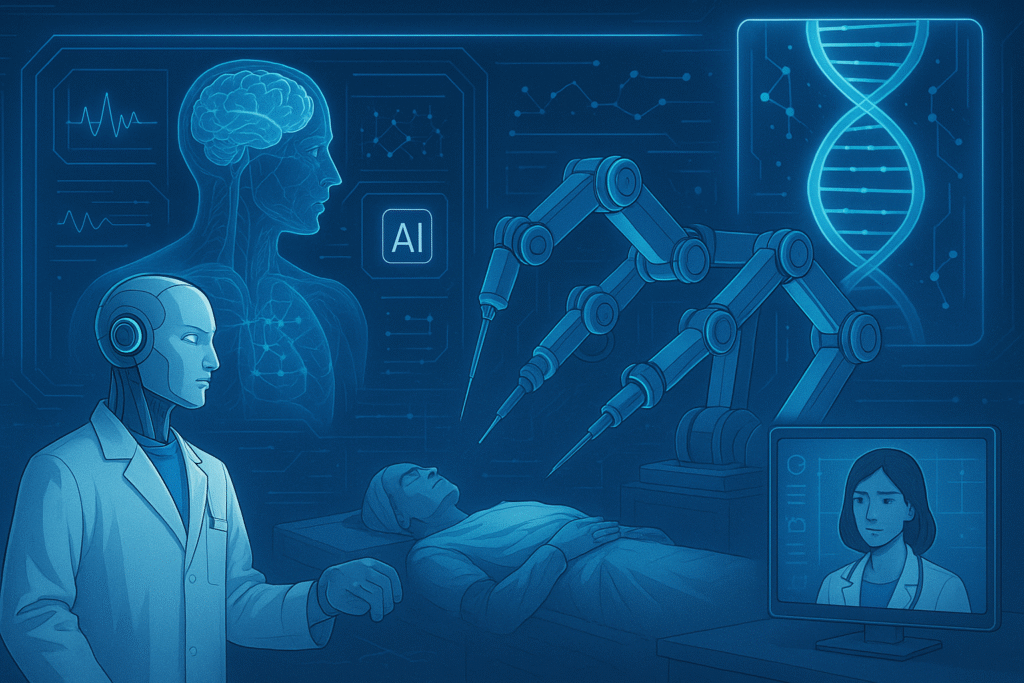
Algorithmic Advances: A Monthly Recap of AI in Healthcare (June 2025 Edition)

Artificial intelligence may not be a classic “gizmo,” but it’s become an undeniable force in healthcare—evolving rapidly even since Medgadget’s farewell. From streamlining clinical workflows to flagging anomalies in imaging, algorithms are working their way into nearly every corner of

Algorithmic Advances: A Monthly Recap of AI in Healthcare (June 2025 Edition) Read More »

Brain-Computer Interface Restores Speech for ALS Patients

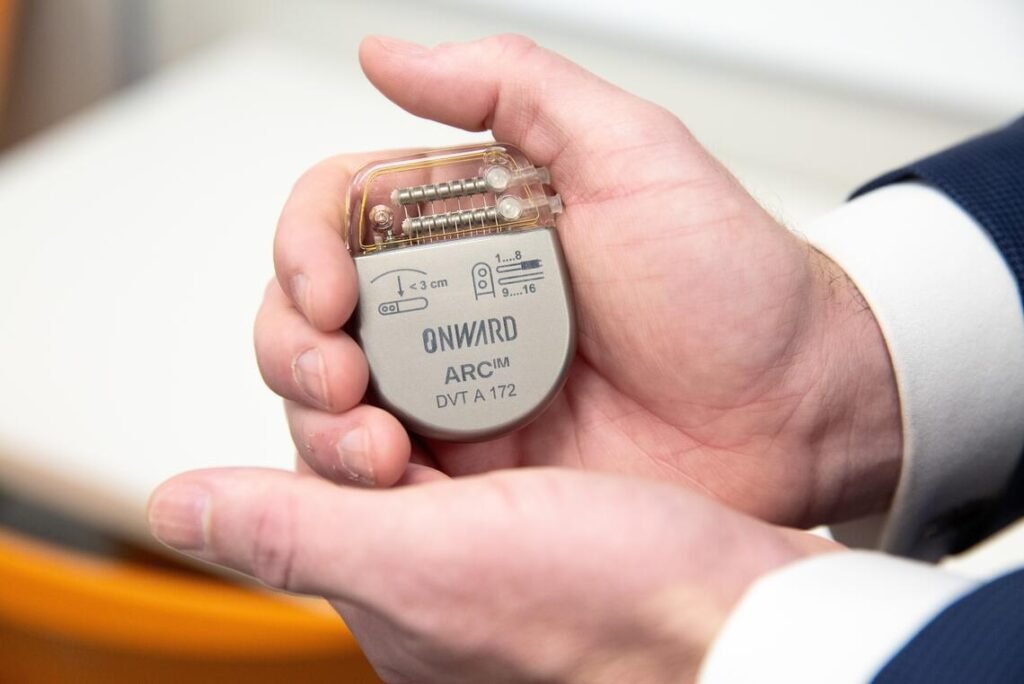
A first-of-its-kind brain-computer interface (BCI) developed at UC Davis Health is enabling real-time speech synthesis for ALS patients. Unlike traditional assistive technologies that translate neural activity into text, this system reconstructs voice instantly, allowing for natural conversation. The technology consists

Brain-Computer Interface Restores Speech for ALS Patients Read More »

Scroll to Top