
Internal Medicine

Lab-Grown Skin That Mimics Fibrosis Could Accelerate Personalized Therapies

For the 300,000 Americans living with scleroderma—a rare autoimmune disease that causes tissue scarring in organs like the lungs, liver, and skin—treatment options remain limited and unpredictable. Now, researchers at Tufts University and Dartmouth’s Geisel School of Medicine have developed […]

Lab-Grown Skin That Mimics Fibrosis Could Accelerate Personalized Therapies Read More »
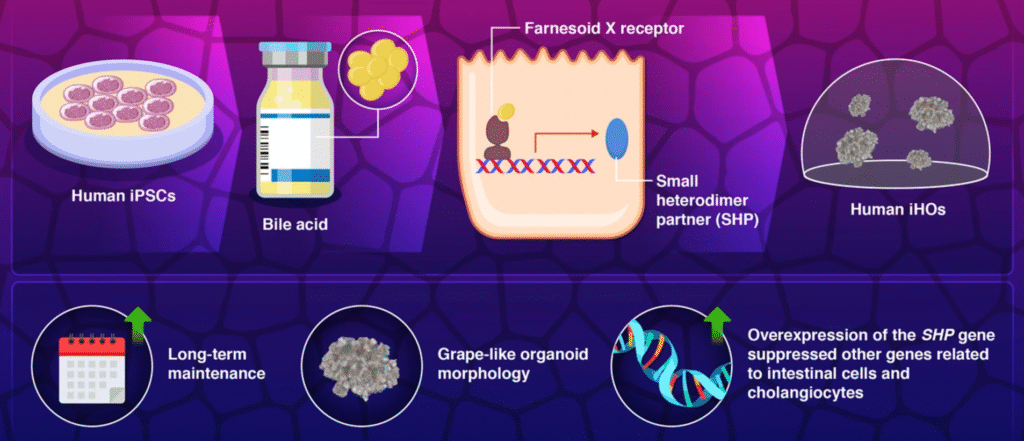
3D-Cultured Liver Organoids Developed With Organ-Specific Vasculature

Researchers from the Institute of Science Tokyo and Cincinnati Children’s Hospital have engineered liver organoids with authentic, organ-specific vasculature—marking a major leap in regenerative medicine and disease modeling. Using a novel 3D culture method called inverted multilayered air–liquid interface (IMALI),

3D-Cultured Liver Organoids Developed With Organ-Specific Vasculature Read More »

UK Biobank Completes World’s Largest Whole-Body Imaging Project

After more than a decade of planning and execution, UK Biobank has completed the largest whole-body imaging study in history—scanning the brains, hearts, abdomens, blood vessels, bones, and joints of 100,000 volunteers. Each participant underwent a five-hour appointment that generated

UK Biobank Completes World’s Largest Whole-Body Imaging Project Read More »

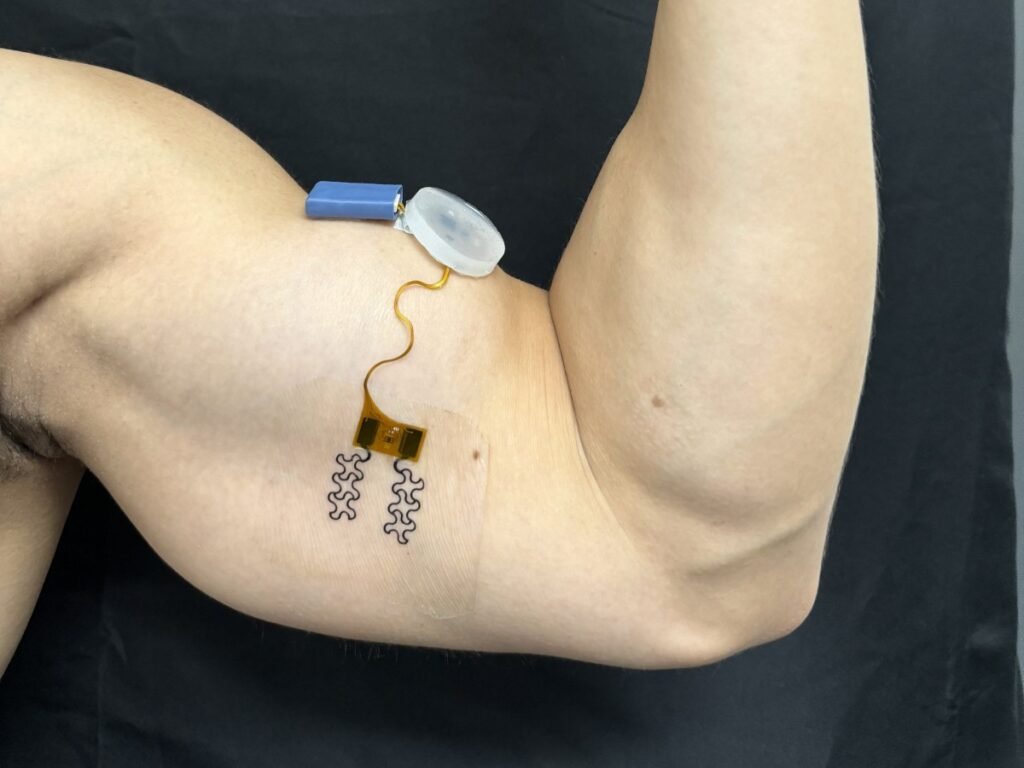
Wireless Arm-Worn Wearable Monitors Real-Time Hydration Levels

Dehydration is a silent but serious health risk—especially in hot climates, high-performance environments, and among vulnerable populations like the elderly or those with chronic illnesses. Yet tracking hydration in real time has remained elusive. Traditional methods like urine tests, blood

Wireless Arm-Worn Wearable Monitors Real-Time Hydration Levels Read More »

‘Exploding’ Capsules Deliver Insulin and Other Injectable Drugs

For millions of people with diabetes and other chronic conditions, daily injections are a painful, inconvenient reality. That’s because many protein-based drugs—like insulin, semaglutide (Ozempic), and monoclonal antibodies—can’t survive the harsh environment of the gastrointestinal tract. But engineers at Georgia

‘Exploding’ Capsules Deliver Insulin and Other Injectable Drugs Read More »

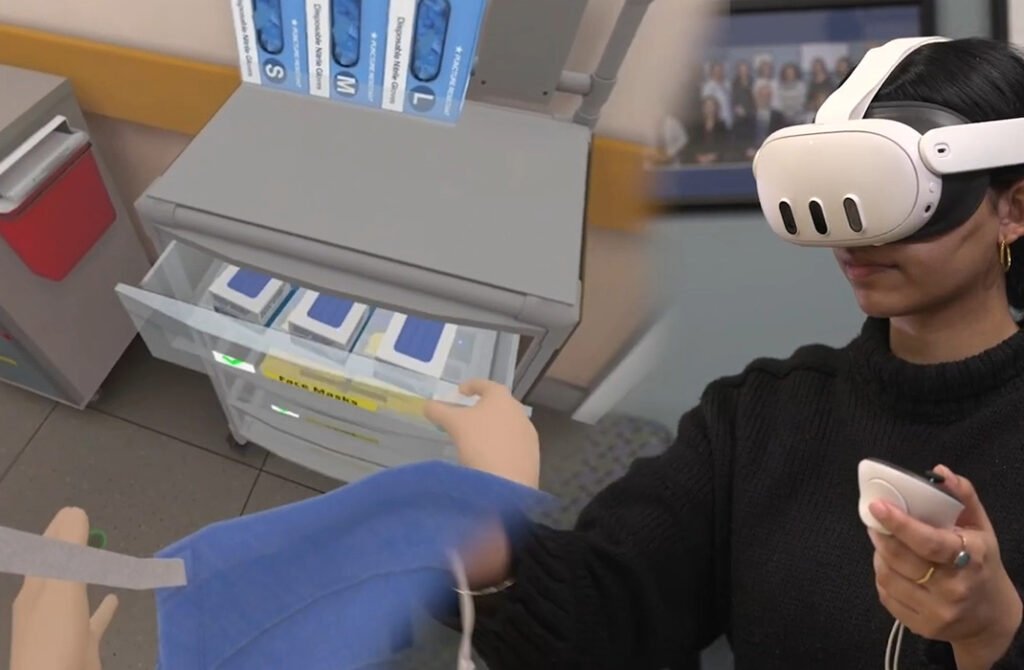
Virtual Reality Training to Combat Medical Equipment Contamination

Mass General Brigham researchers have developed a virtual reality (VR) training tool to improve infection control practices in healthcare settings. The immersive module educates clinicians on cleaning and disinfecting portable medical equipment, addressing a critical gap in preventing healthcare-associated infections.

Virtual Reality Training to Combat Medical Equipment Contamination Read More »

Scroll to Top