Geriatrics

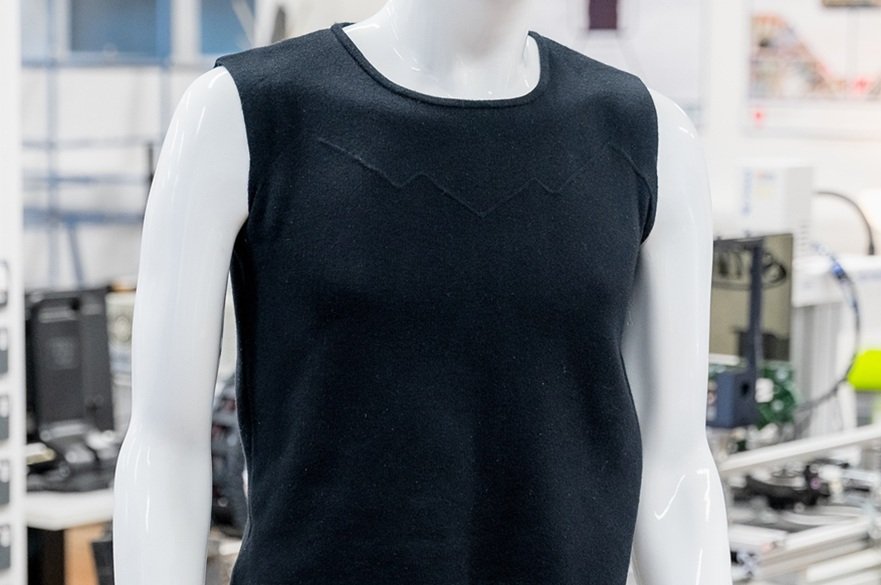
Smart Textile Vest Monitors Body Temperature to Prevent Hypothermia in Older Adults

Researchers at Nottingham Trent University have developed a smart textile vest designed to detect early signs of hypothermia in older adults, a population particularly vulnerable to dangerous drops in body temperature. Elderly people lose heat more quickly and often have […]

Smart Textile Vest Monitors Body Temperature to Prevent Hypothermia in Older Adults Read More »

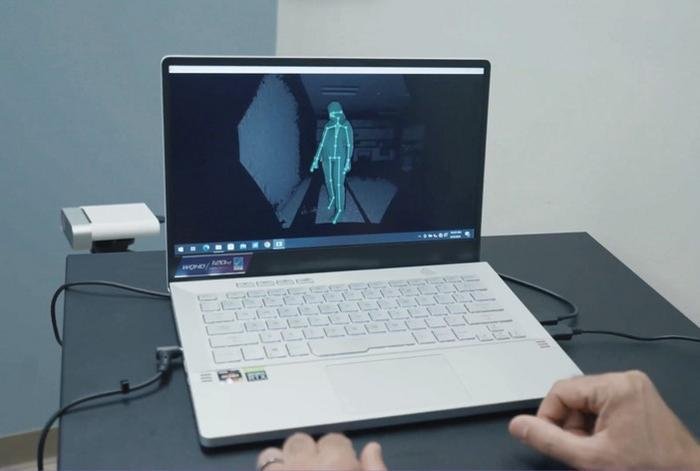
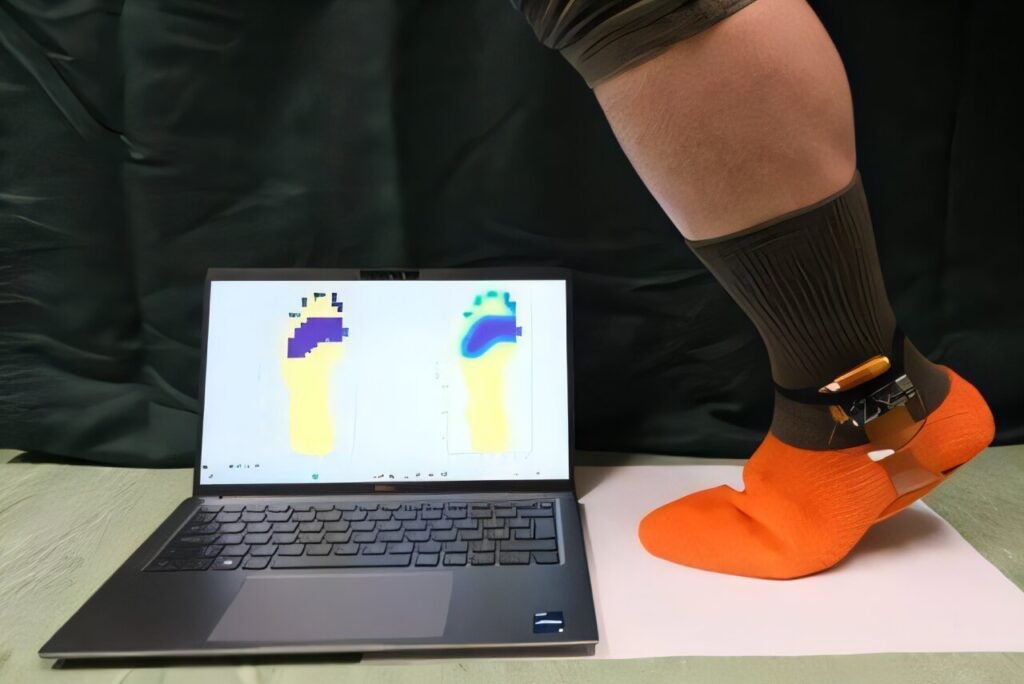
Wearable Foot Sensors and Depth Cameras Match Clinical Standards for Gait Analysis

Researchers at Florida Atlantic University have demonstrated that wearable foot sensors and depth cameras can accurately measure gait in clinical settings, offering a scalable alternative to traditional electronic walkways. This breakthrough could improve how clinicians monitor mobility, detect fall risk,

Wearable Foot Sensors and Depth Cameras Match Clinical Standards for Gait Analysis Read More »

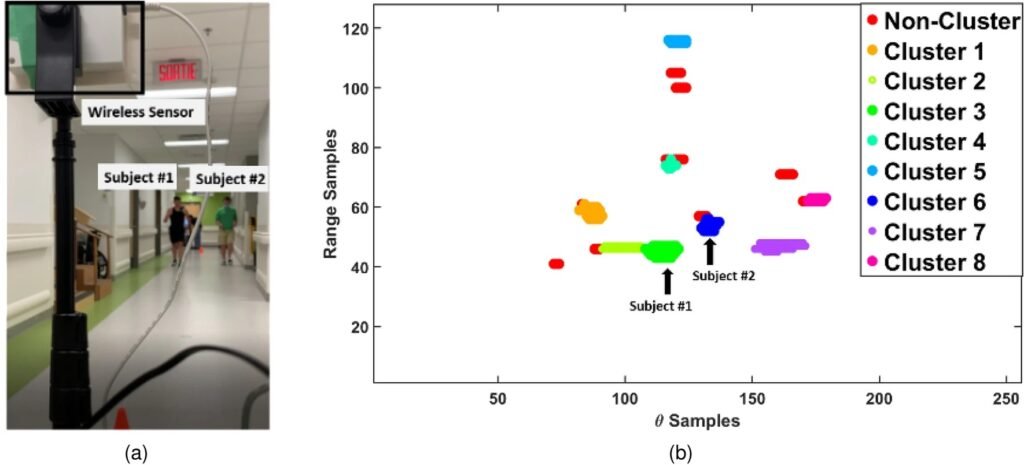
AI-Powered Radar System Monitors Subtle Health Changes Without Wearables

Researchers at the University of Waterloo have developed a contactless radar system that uses artificial intelligence to monitor subtle changes in a person’s health. Unlike wearable devices that require physical contact or regular charging, this system operates remotely by analyzing

AI-Powered Radar System Monitors Subtle Health Changes Without Wearables Read More »

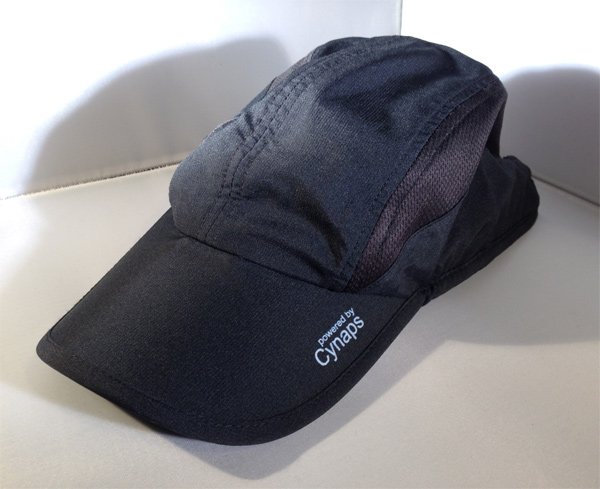
A Member of The Greatest Generation Helps Review the Cynaps Enhance Bone-Conduction Hearing System (January 2014)

Note to readers: These posts are some of my favorite pieces from my time with Medgadget—stories that still resonate, even if they’re a bit dated. For now, consider this a placeholder, a glimpse into the past, until it’s replaced with

A Member of The Greatest Generation Helps Review the Cynaps Enhance Bone-Conduction Hearing System (January 2014) Read More »

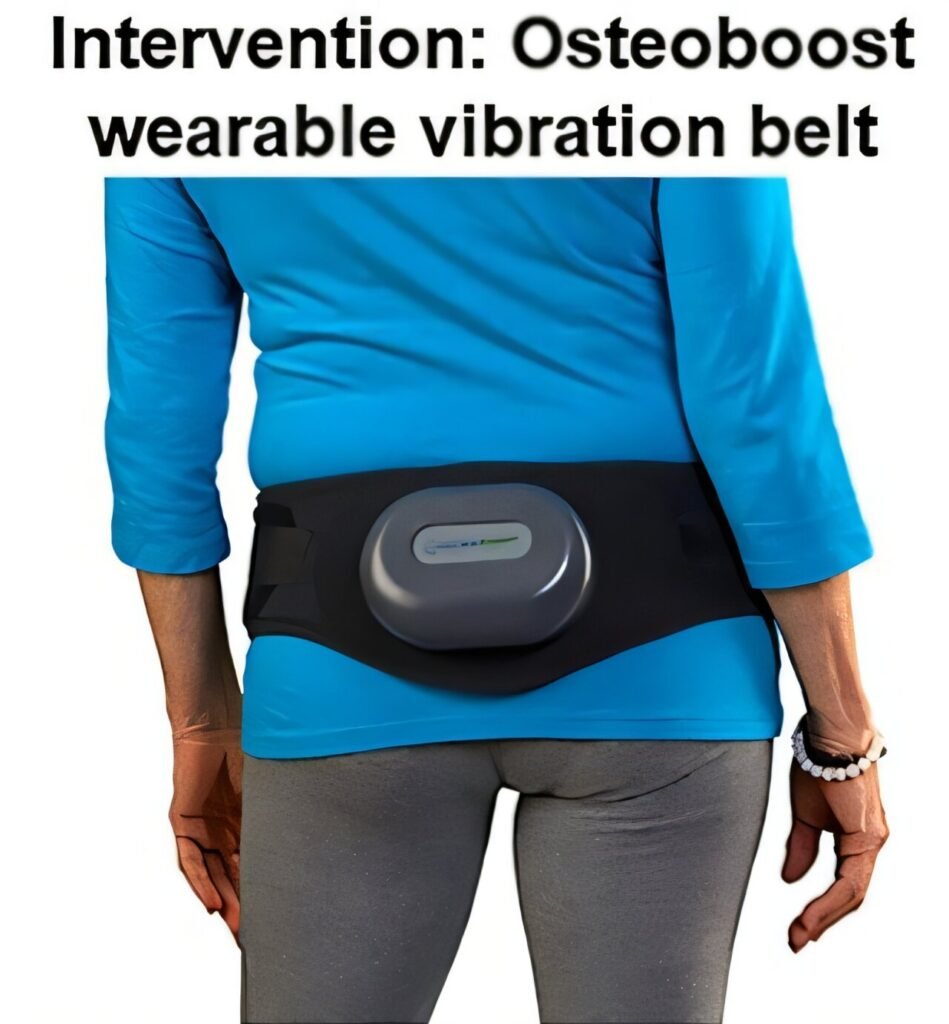
NASA-Inspired Low-Vibration Belt Lowers Bone Fracture Risk

A new FDA-approved low-vibration belt, Osteoboost, is offering a drug-free intervention for osteopenia, a condition characterized by low bone density. Developed by Bone Health Technologies, the belt applies 30 hertz of oscillations per second to stimulate bone cells, mimicking the

NASA-Inspired Low-Vibration Belt Lowers Bone Fracture Risk Read More »

Scroll to Top