Emergency Medicine

3D‑Printed Biodegradable Bandage Delivers Natural Antimicrobials to Help Chronic Wounds Heal

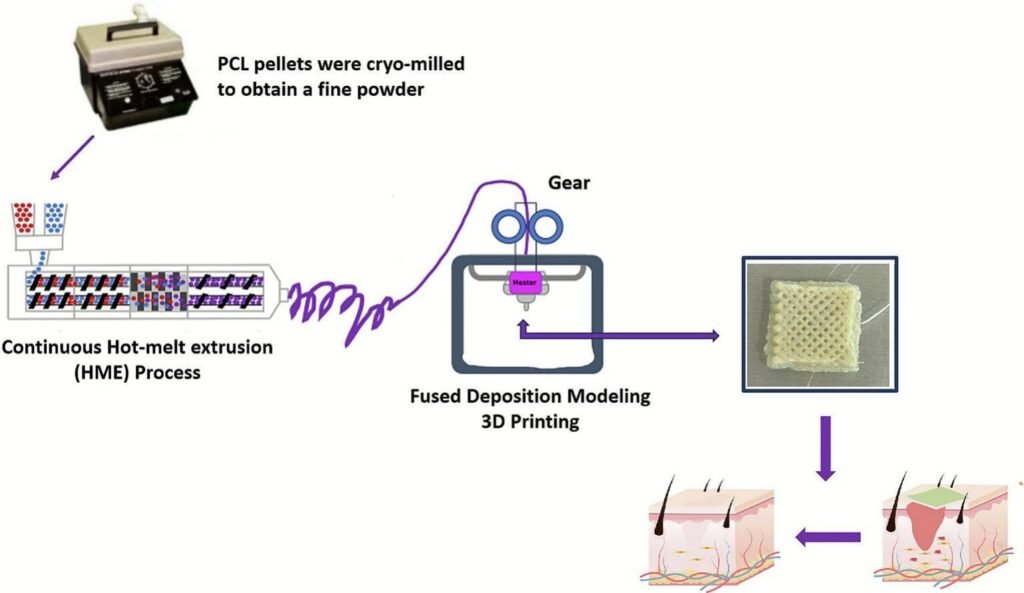
A new effort from the University of Mississippi is advancing how clinicians might treat chronic wounds by developing a 3D‑printed bandage that delivers natural antimicrobial compounds while supporting tissue repair. Chronic wounds such as diabetic ulcers and pressure sores can […]

3D‑Printed Biodegradable Bandage Delivers Natural Antimicrobials to Help Chronic Wounds Heal Read More »

Clay‑Enhanced Hemostatic Material Offers Rapid Bleeding Control for Trauma Care

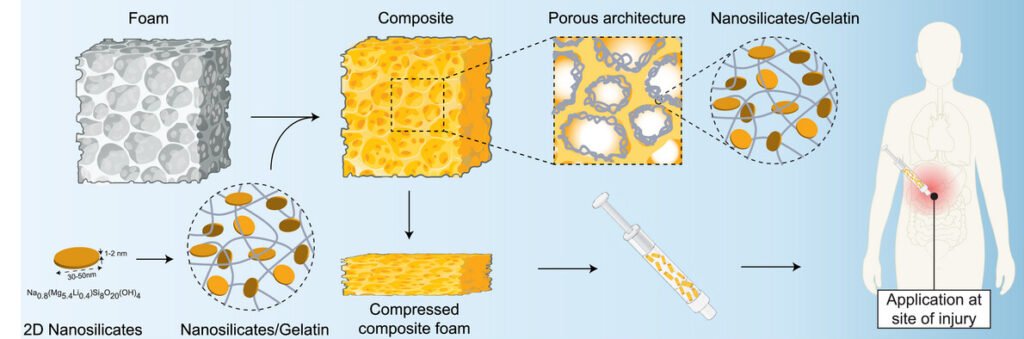
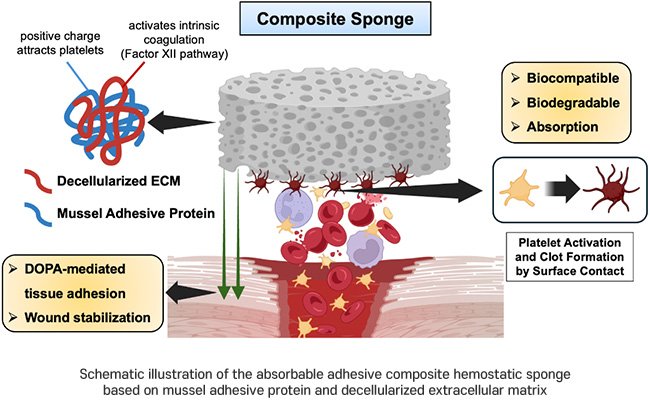
A new advance from Texas A&M University is reshaping how emergency teams might treat severe bleeding, one of the most urgent challenges in trauma medicine. Researchers there have engineered a modified clay material that can halt dangerous blood loss within

Clay‑Enhanced Hemostatic Material Offers Rapid Bleeding Control for Trauma Care Read More »

Hydrogel Brain Models Advance Force Measurement in Traumatic Brain Injury Research

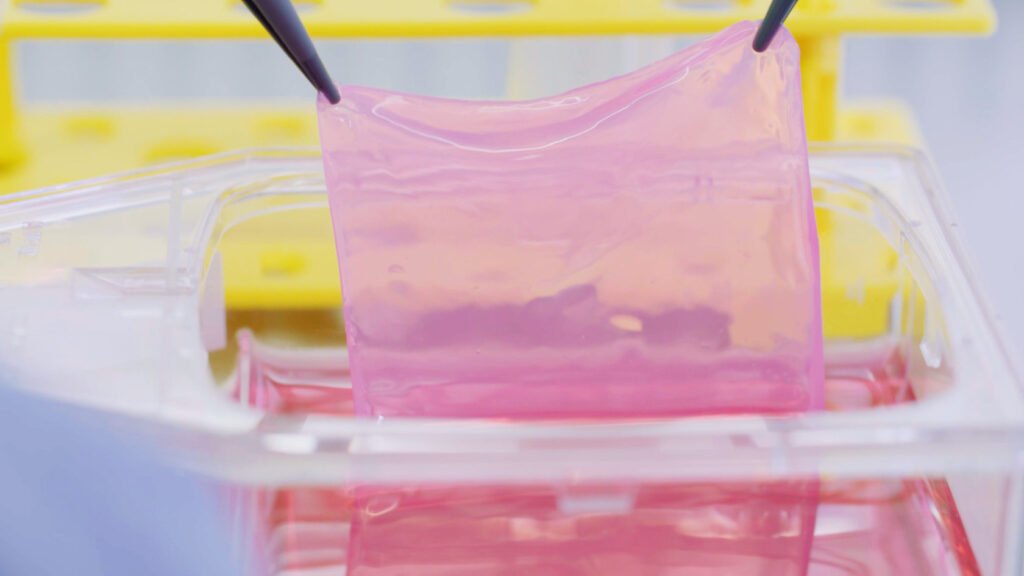
A research team at Virginia Commonwealth University is developing highly realistic hydrogel based rat brain models to better understand how physical forces travel through brain tissue during traumatic events. This work focuses on the physics of traumatic brain injury, an

Hydrogel Brain Models Advance Force Measurement in Traumatic Brain Injury Research Read More »

Researchers Develops Tabletop Blast Device to Study Traumatic Brain Injury

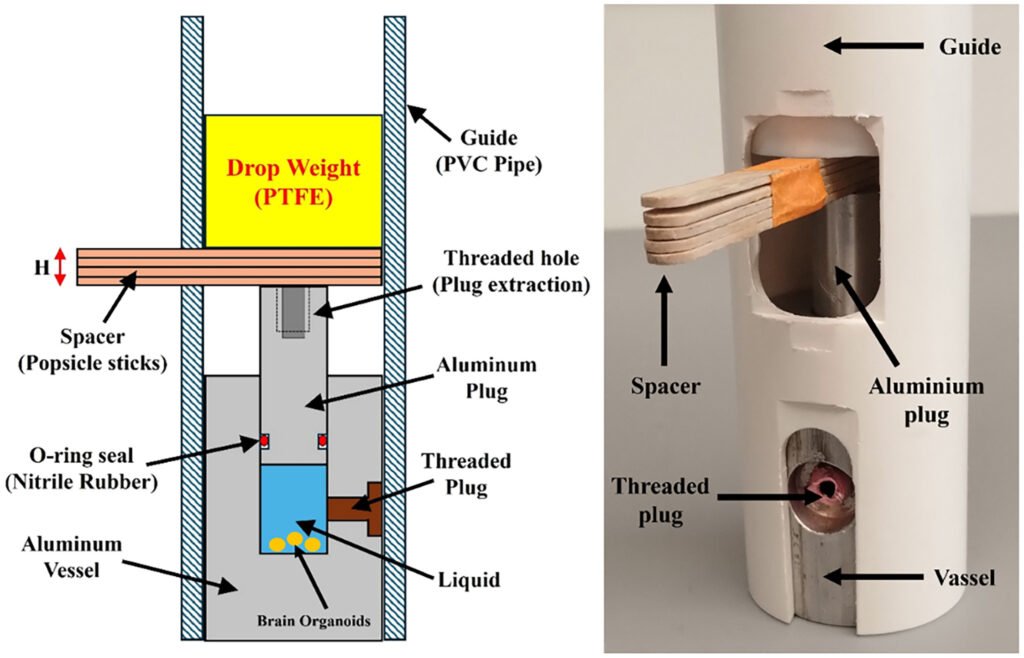
Researchers at the University of Rhode Island have introduced a tabletop blast simulator designed to investigate the long-term effects of traumatic brain injury. The innovation provides a safe and accessible way to replicate blast conditions in a laboratory setting, allowing

Researchers Develops Tabletop Blast Device to Study Traumatic Brain Injury Read More »

AI Bandage Speeds Up Wound Healing

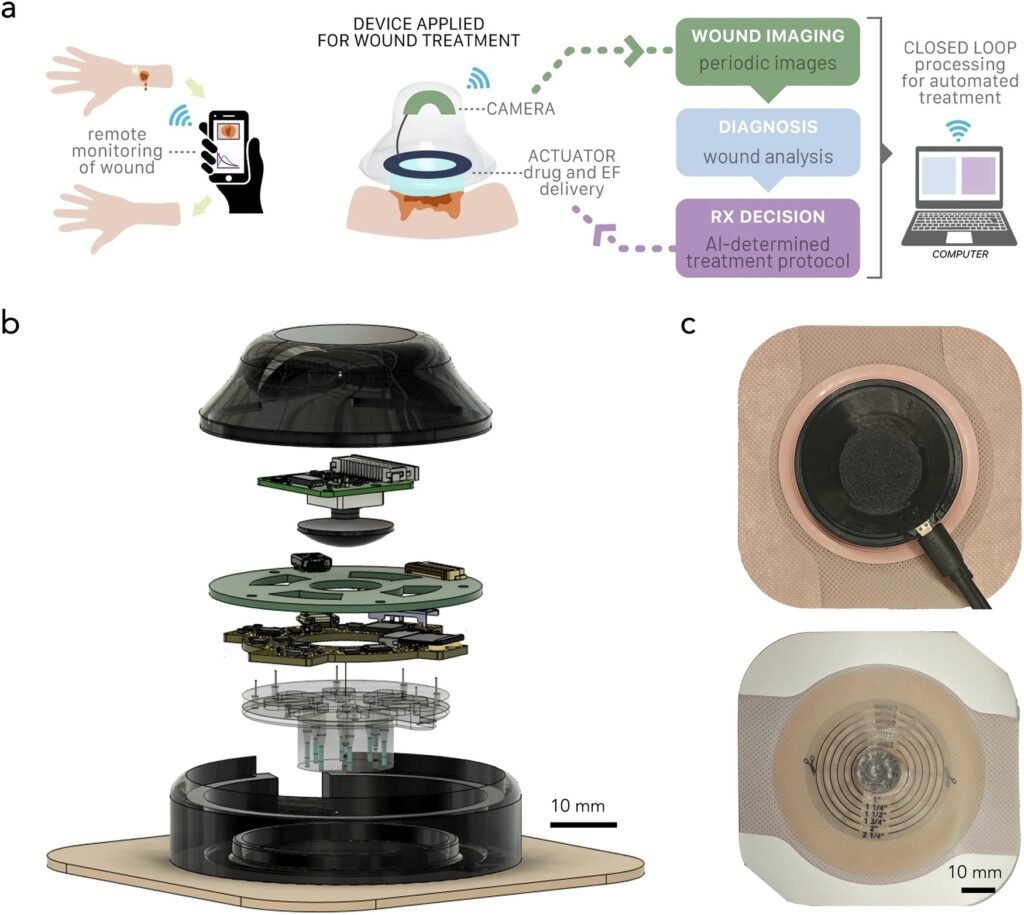
Not all wounds heal at the same pace, and chronic wounds can be especially difficult to treat. Engineers at the University of California, Santa Cruz have created a smart bandage called a-Heal that uses artificial intelligence and bioelectronics to monitor and accelerate healing. The device combines a small camera, machine learning, and therapeutic delivery in one wearable system. Every two hours, a-Heal captures images of the wound and analyzes them using an AI model. If healing is slower than expected, the system responds by applying either fluoxetine to reduce inflammation or an electric field to stimulate cell migration. This closed-loop approach allows for personalized treatment based on real-time data. The AI model, developed by Marcella Gomez, uses reinforcement learning to adapt its strategy over time. It learns from each patient’s healing progress and adjusts interventions accordingly. The device also sends updates to a secure web interface, so clinicians can monitor recovery remotely. Tests conducted with the University of California Davis showed that wounds treated with a-Heal healed about 25 percent faster than those receiving standard care. The device attaches to a regular bandage and operates wirelessly, making it easy to use in both clinical and home settings. This technology represents a major advance in personalized wound care. By integrating sensing, diagnosis, and treatment into one system, a-Heal could help patients recover faster and reduce the burden on healthcare providers.

AI Bandage Speeds Up Wound Healing Read More »

Scroll to Top