Cardiology

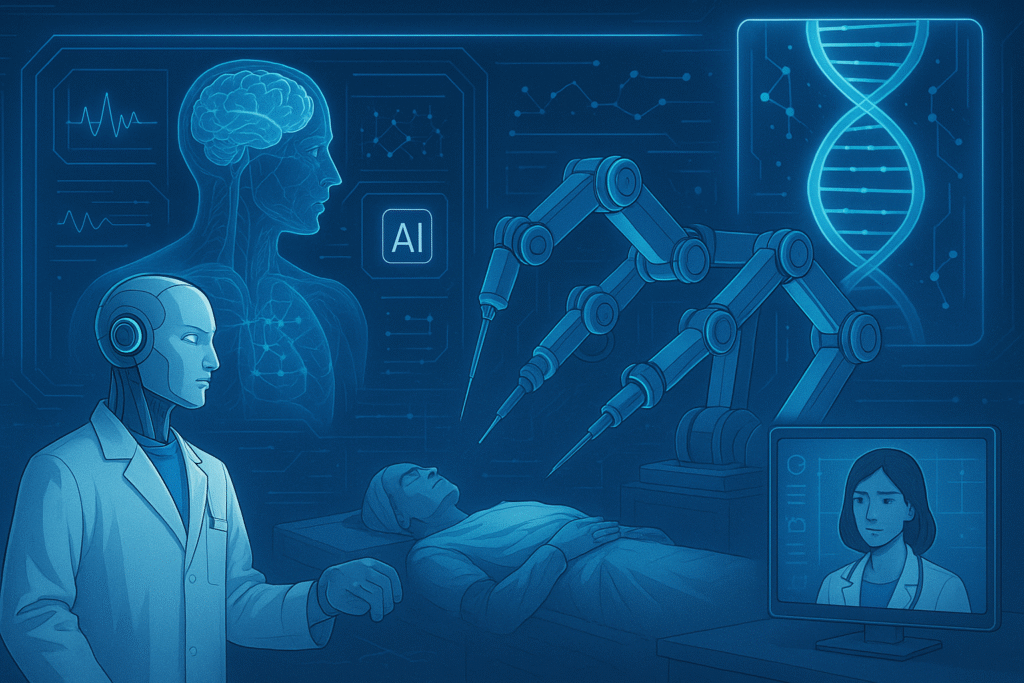
Algorithmic Advances: A Monthly Recap of AI in Healthcare (August 2025)

Artificial intelligence may not be a classic “gizmo,” but it’s become an undeniable, rapidly evolving force in healthcare. From streamlining clinical workflows to flagging anomalies in imaging, algorithms are working their way into nearly every corner of medicine. The jury’s […]

Algorithmic Advances: A Monthly Recap of AI in Healthcare (August 2025) Read More »

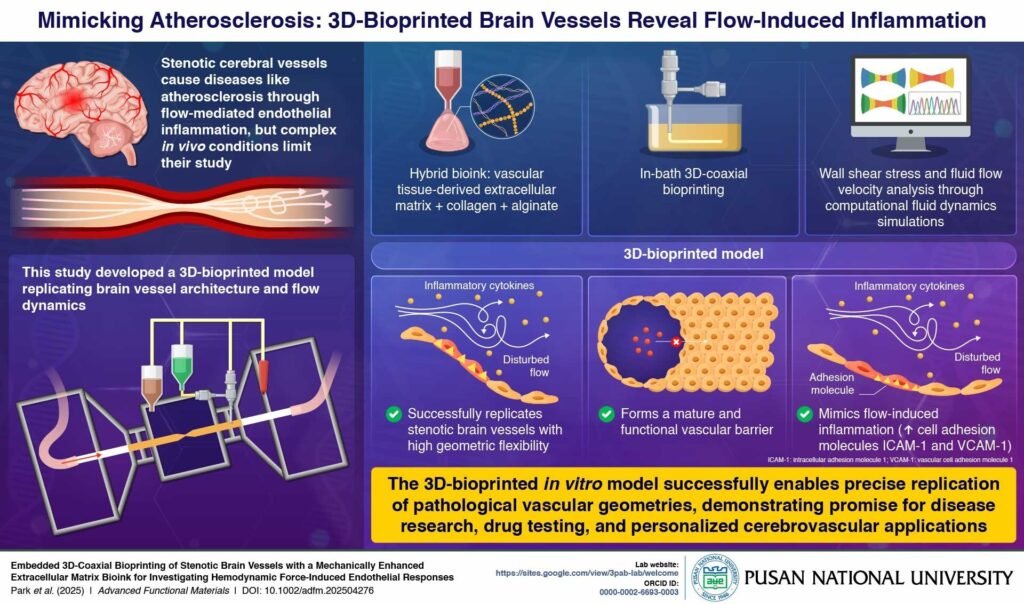
3D-Printed Brain Vessels Offer New Insights into Stroke and Atherosclerosis

A team of researchers from Pusan National University has unveiled a groundbreaking 3D-bioprinted model of brain blood vessels designed to mimic the pathological conditions of atherosclerosis and stroke. This innovation addresses a long-standing challenge in vascular research: how to replicate

3D-Printed Brain Vessels Offer New Insights into Stroke and Atherosclerosis Read More »

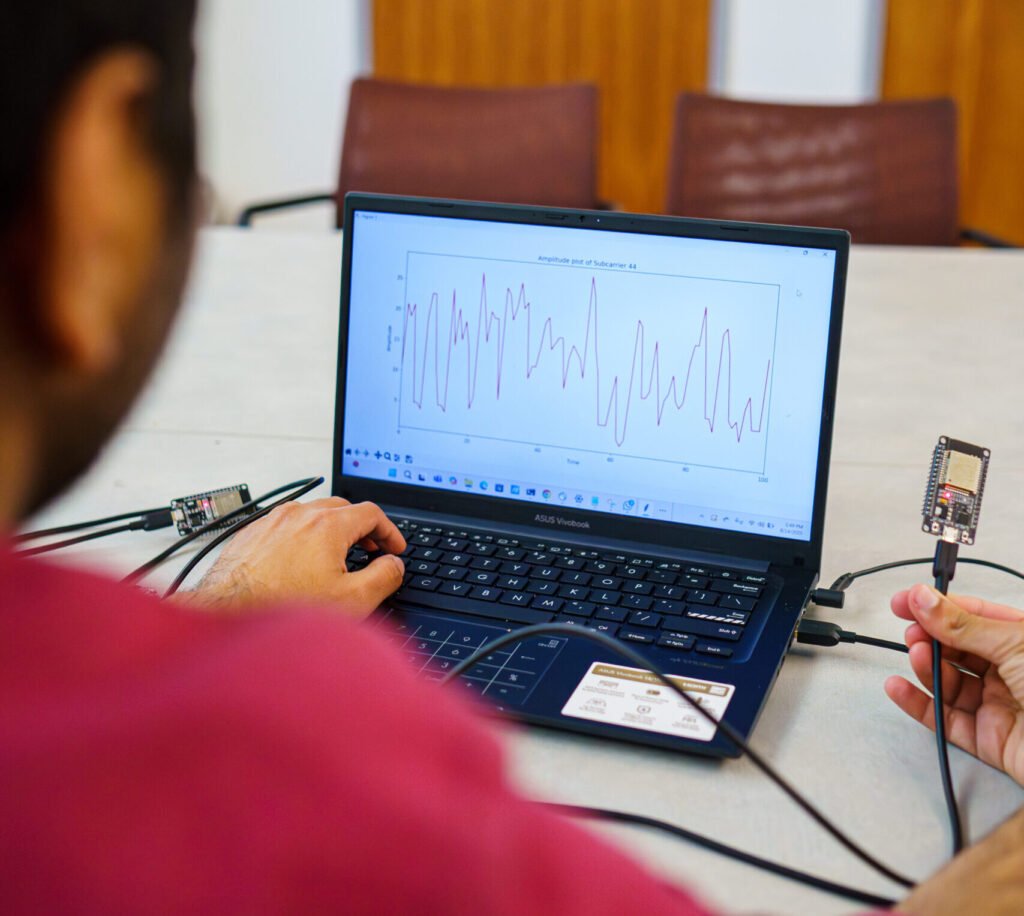
Nonmechanical Imaging Device Could Improve Eye and Heart Disease Detection

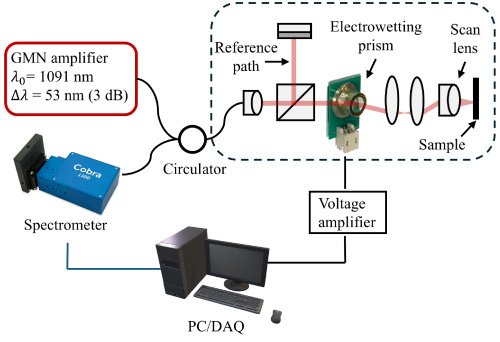
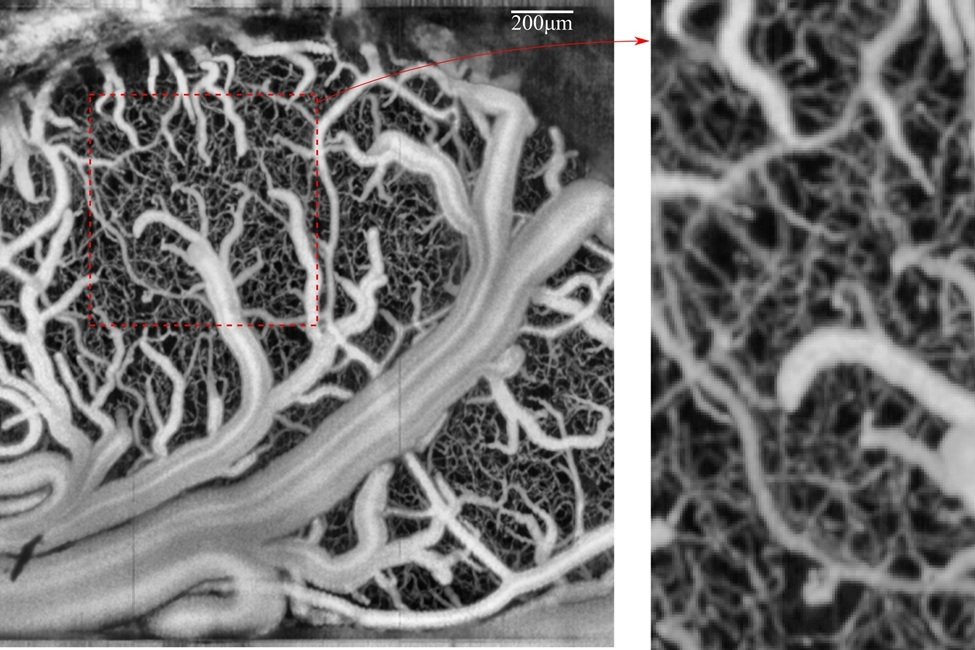
Researchers at the University of Colorado Boulder have developed a next-generation bioimaging device that could dramatically improve how doctors detect and monitor conditions affecting the eyes and heart. Unlike traditional imaging systems that rely on mechanical components like spinning mirrors,

Nonmechanical Imaging Device Could Improve Eye and Heart Disease Detection Read More »

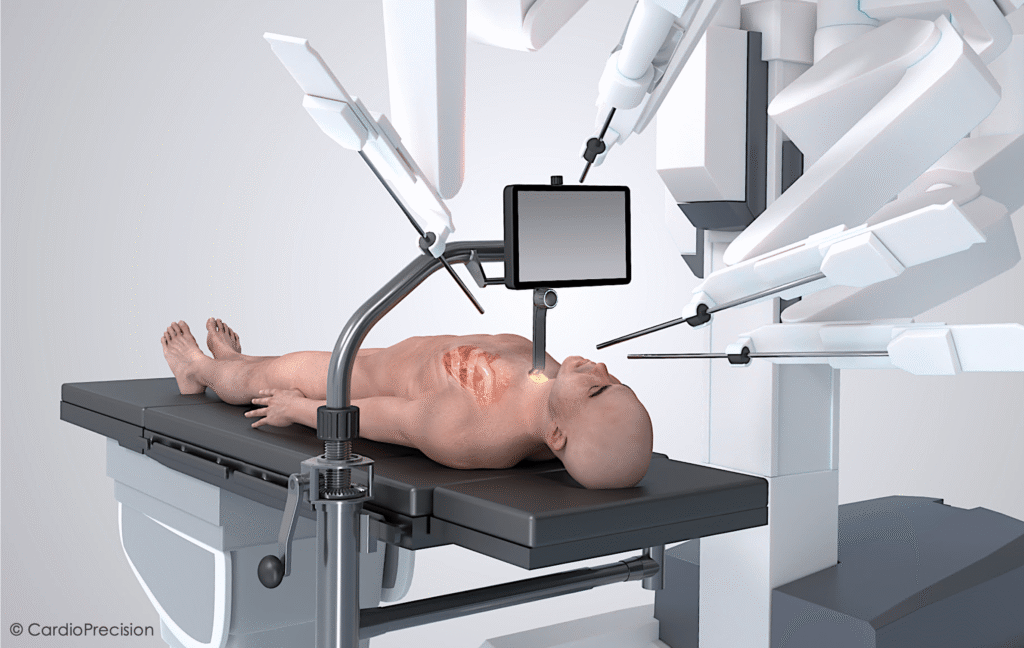
Minimally Invasive Surgery Breakthrough: New Robotic Heart Valve Procedure

Surgeons at Cleveland Clinic have successfully performed the world’s first heart valve replacement using a combination of robotic surgery and a newly designed artificial valve. The procedure involved implanting Corcym’s Perceval Plus® sutureless aortic valve through a small incision at the base

Minimally Invasive Surgery Breakthrough: New Robotic Heart Valve Procedure Read More »

Algorithmic Advances: A Monthly Recap of AI in Healthcare (July 2025)

Artificial intelligence may not be a classic “gizmo,” but it’s become an undeniable, rapidly evolving force in healthcare. From streamlining clinical workflows to flagging anomalies in imaging, algorithms are working their way into nearly every corner of medicine. The jury’s

Algorithmic Advances: A Monthly Recap of AI in Healthcare (July 2025) Read More »

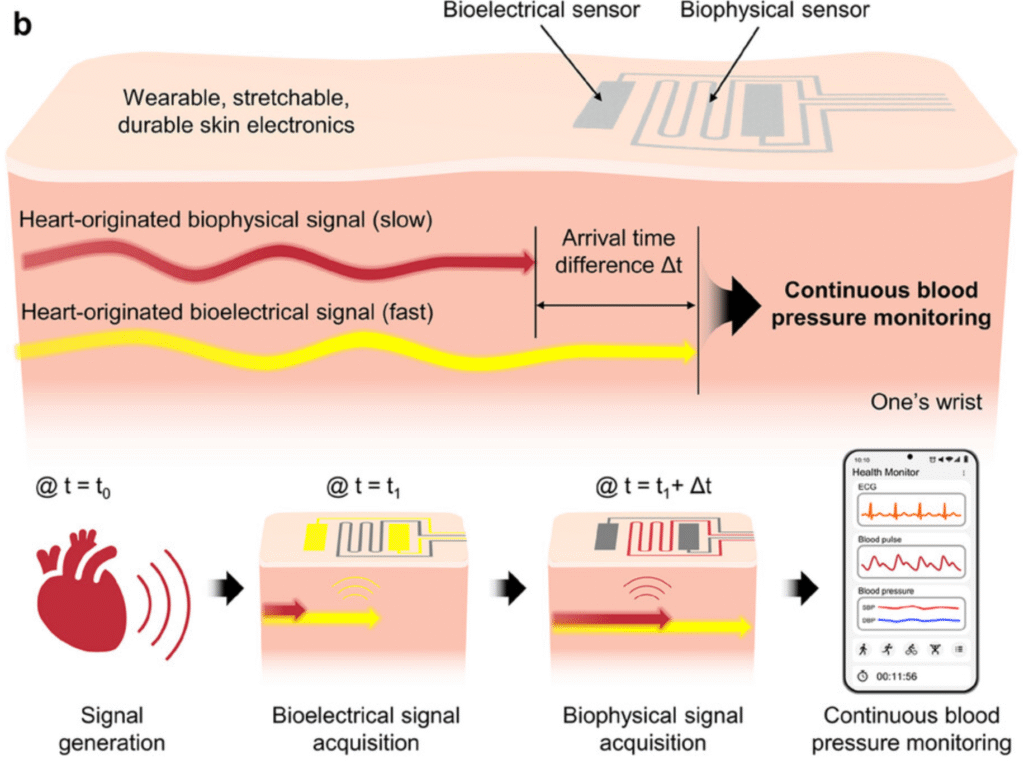
Skin-Like Biosensor Monitors Both Physical Movement and Electrical Signals in the Body

Researchers at Penn State have developed a flexible, skin-like sensor that can monitor both physical movement and electrical signals—internally and externally. Designed to mimic the properties of human skin, the device combines electrical and ionic conductivity, allowing it to interface

Skin-Like Biosensor Monitors Both Physical Movement and Electrical Signals in the Body Read More »

Scroll to Top