Scott Jung

Scott Jung is a Silicon Valley-based medical and health technology reporter and advocate, with a focus on wearables, telemedicine, and health technology in emerging countries. He previously was at Medgadget and represented them at CES and Digital Health Summit, TEDMED, Stanford Medicine X, and SXSW. Always on the lookout for innovative medical technology worldwide, Scott has been invited to visit Colombia, Poland, and many other countries around the world to share how medtech is enriching the lives of its people. Scott holds a B.S. degree in Biomedical Engineering from the University of Southern California and an M.S. degree in Medical Product Development Management from San José State University. Scott is always looking for the next big thing in medical technology and digital health. Interested in helping him transform lives? Get in touch with him at https://scottju.ng

Flexible Multimodal Brain Implant Enables Light Delivery, Neural Recording, and Targeted Drug Infusion

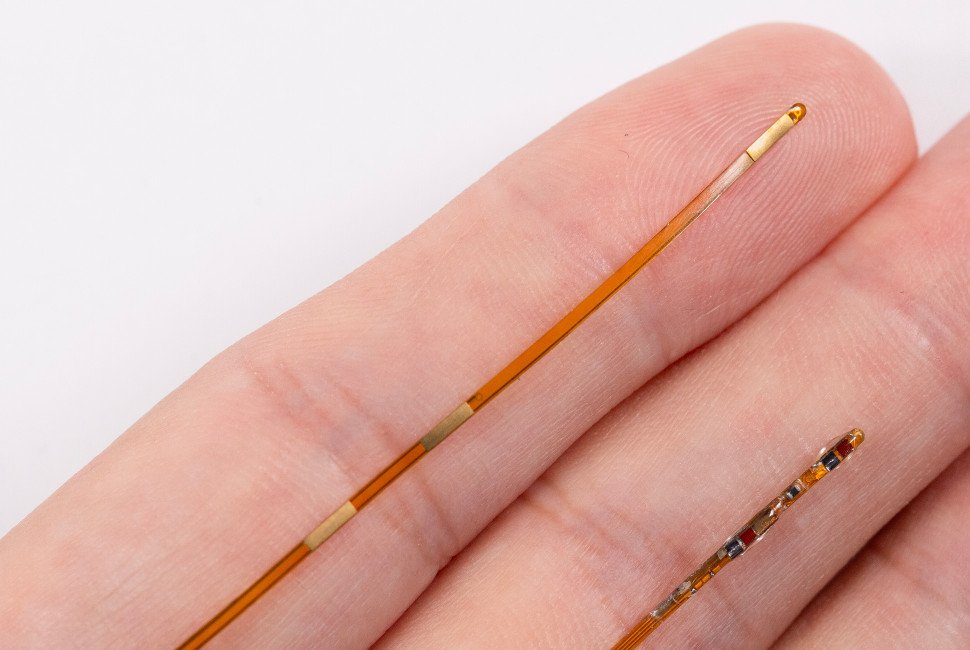
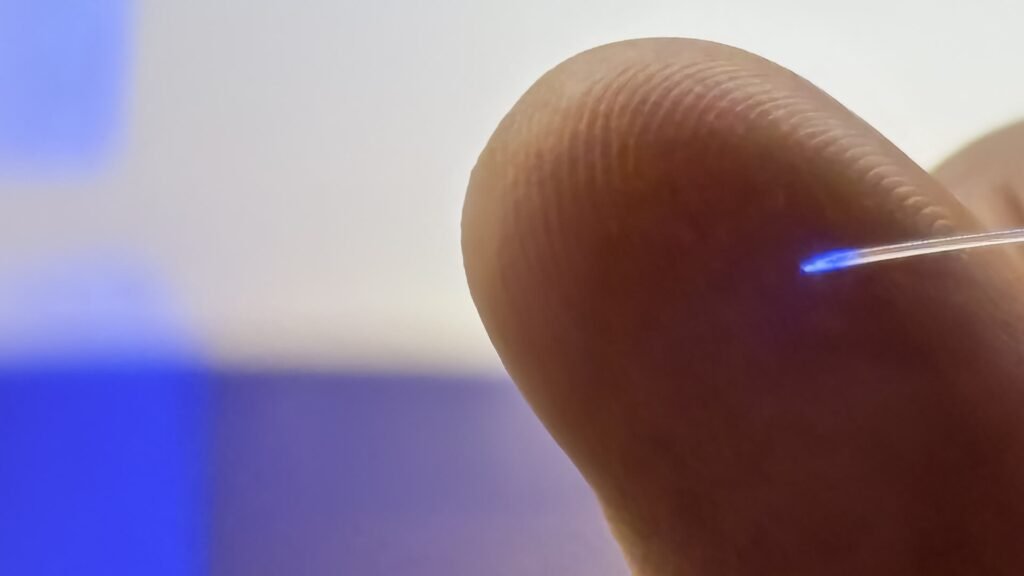
Researchers from the Technical University of Denmark have developed a new type of brain implant designed to illuminate, listen, and deliver medication within the brain using a single, highly flexible device. The implant, known as the “microfluidic Axialtrode” or mAxialtrode, […]

Flexible Multimodal Brain Implant Enables Light Delivery, Neural Recording, and Targeted Drug Infusion Read More »

Textile-Based OLED Cap Suppresses Hair Follicle Aging for Noninvasive Hair Loss Therapy

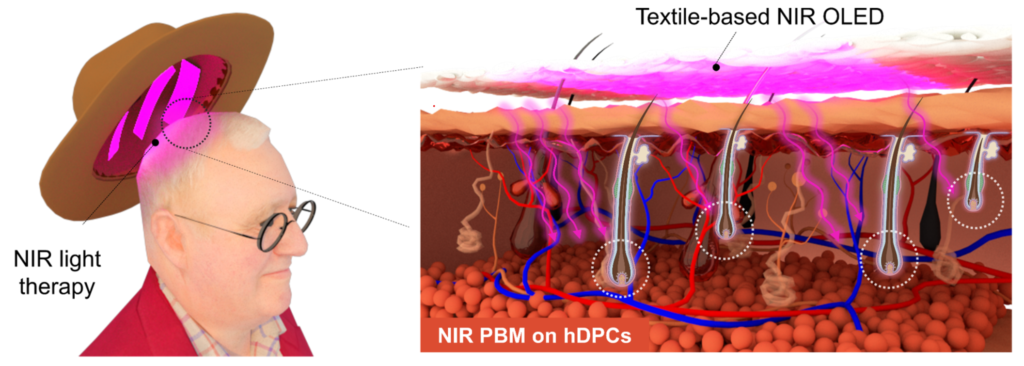
A research team at the Korea Advanced Institute of Science and Technology (KAIST) has developed a wearable phototherapy device that uses customized near-infrared OLEDs to suppress hair follicle cell aging, offering a noninvasive alternative to conventional hair loss treatments. The

Textile-Based OLED Cap Suppresses Hair Follicle Aging for Noninvasive Hair Loss Therapy Read More »

Ultra‑Sensitive Single Use Test Strip Enables Early Detection of Disease Biomarkers

La Trobe University researchers have developed an ultra sensitive single use test strip that can detect microRNAs at extremely low concentrations, offering a simpler and more accessible method for early disease diagnosis. MicroRNAs are important biomarkers for conditions such as

Ultra‑Sensitive Single Use Test Strip Enables Early Detection of Disease Biomarkers Read More »

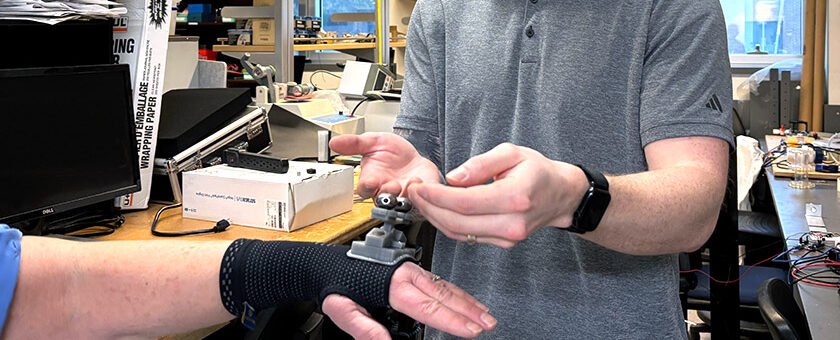
Lightweight Mechanical Brace Reduces Involuntary Hand Tremors Without Motors or Batteries

A research team at the University of British Columbia Okanagan has developed a lightweight wearable brace designed to reduce involuntary hand tremors associated with neurological conditions such as Parkinson’s disease. Hand tremors affect millions of people worldwide and can interfere

Lightweight Mechanical Brace Reduces Involuntary Hand Tremors Without Motors or Batteries Read More »

Retina-on-Chip Platform Enables Functional Testing of Gene Therapies for Rare Eye Diseases

Researchers at Radboud University Medical Center, in collaboration with the University of Twente, have developed a retina-on-chip platform that combines patient-derived retinal organoids with microelectrode arrays to evaluate the functional impact of gene therapies for rare inherited eye diseases. These

Retina-on-Chip Platform Enables Functional Testing of Gene Therapies for Rare Eye Diseases Read More »

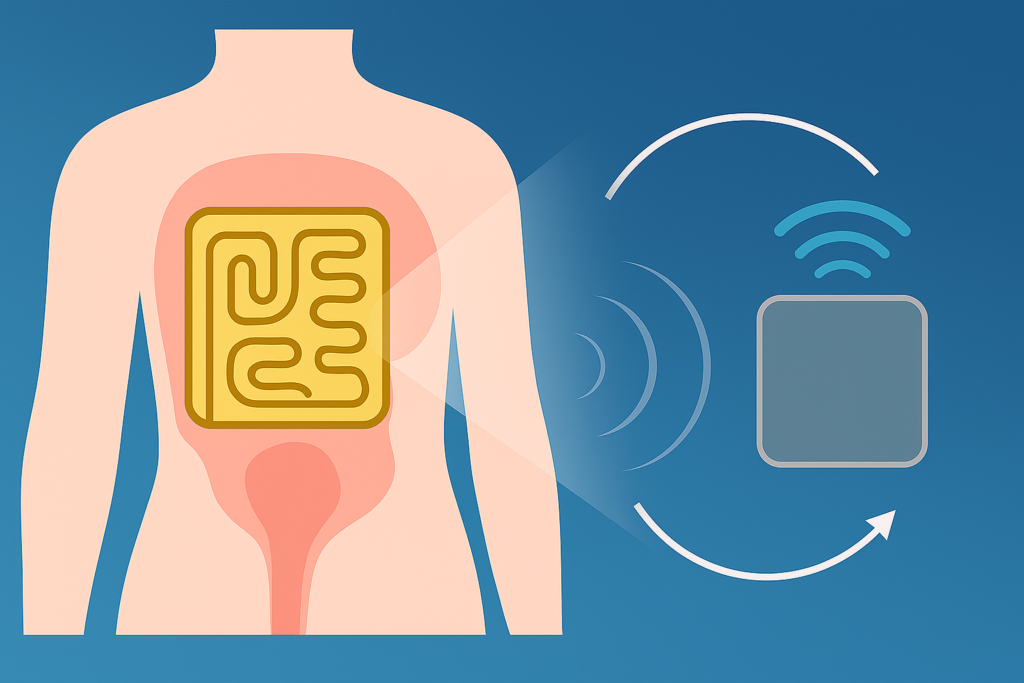
Soft Biodegradable Implant Enables Long Distance and Wide Angle Wireless Physiological Sensing

A research team at the Institute of Mechanics of the Chinese Academy of Sciences has developed a soft, biodegradable wireless implant capable of monitoring internal physiological signals over long distances and wide angles. The device is designed to overcome major

Soft Biodegradable Implant Enables Long Distance and Wide Angle Wireless Physiological Sensing Read More »

Next Generation Wireless Retinal Stimulation Technology Offers New Hope For Vision Loss

A research team at Koç University in Istanbul, Turkey has developed a wireless, light driven optoelectronic stimulation technology designed to help people with retinal degenerative diseases that currently have no curative treatment. Retinal degeneration affects millions worldwide and leads to

Next Generation Wireless Retinal Stimulation Technology Offers New Hope For Vision Loss Read More »

Scroll to Top