Scott Jung

Scott Jung is a Silicon Valley-based medical and health technology reporter and advocate, with a focus on wearables, telemedicine, and health technology in emerging countries. He previously was at Medgadget and represented them at CES and Digital Health Summit, TEDMED, Stanford Medicine X, and SXSW. Always on the lookout for innovative medical technology worldwide, Scott has been invited to visit Colombia, Poland, and many other countries around the world to share how medtech is enriching the lives of its people. Scott holds a B.S. degree in Biomedical Engineering from the University of Southern California and an M.S. degree in Medical Product Development Management from San José State University. Scott is always looking for the next big thing in medical technology and digital health. Interested in helping him transform lives? Get in touch with him at https://scottju.ng

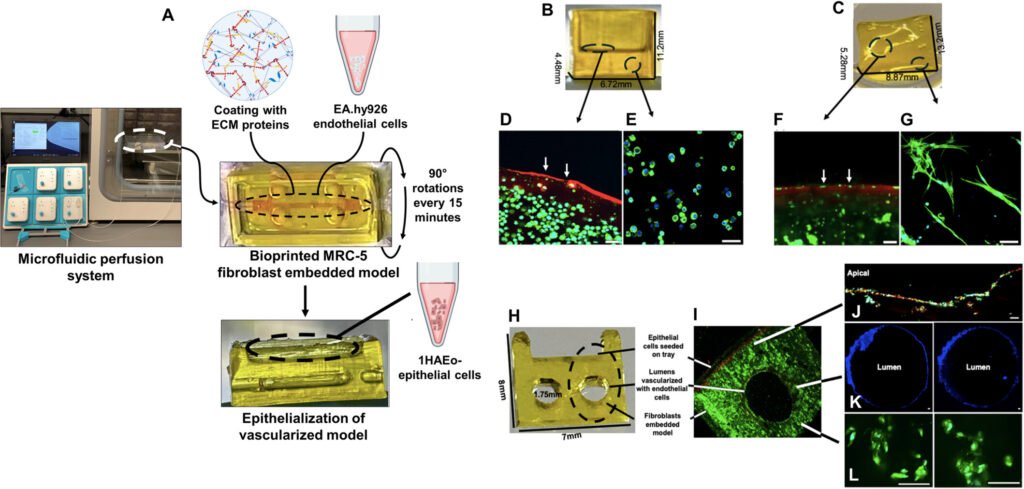
3D-Printed, Living Lung Tissue Developed to Study Respiratory Diseases, Treatments, and Personalized Medicine

Researchers at UBC Okanagan have developed a 3D bioprinted model that closely mimics the complexity of living lung tissue, marking a major advance in how scientists study respiratory diseases and test new treatments. Led by Dr. Emmanuel Osei, the team […]
3D-Printed, Living Lung Tissue Developed to Study Respiratory Diseases, Treatments, and Personalized Medicine Read More »

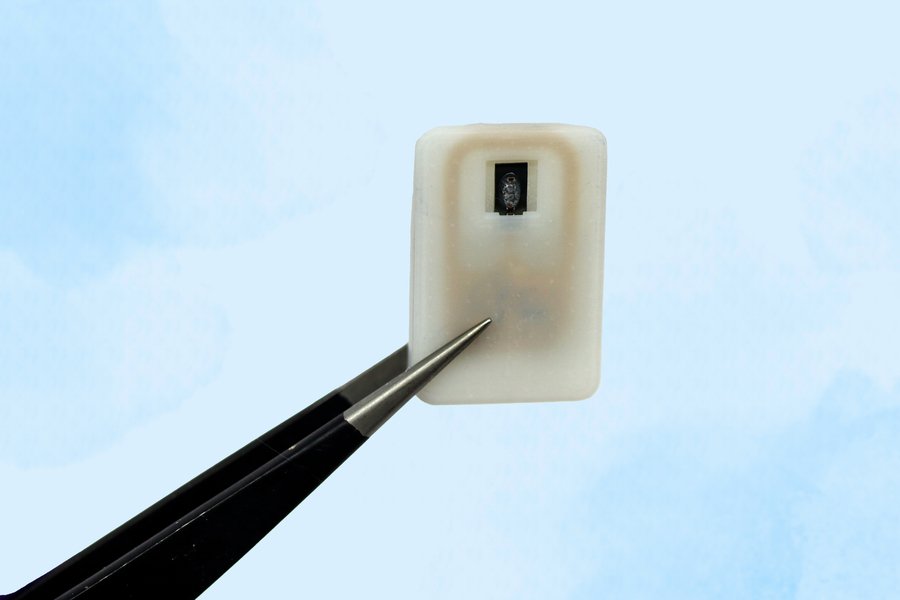
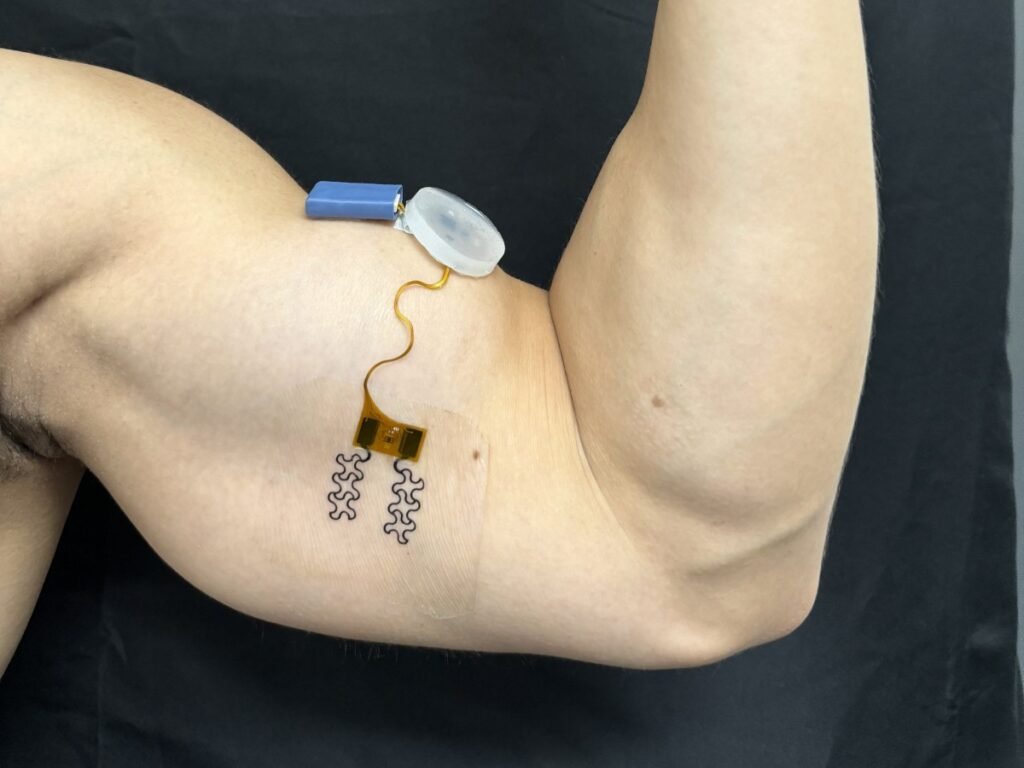
Wireless Arm-Worn Wearable Monitors Real-Time Hydration Levels

Dehydration is a silent but serious health risk—especially in hot climates, high-performance environments, and among vulnerable populations like the elderly or those with chronic illnesses. Yet tracking hydration in real time has remained elusive. Traditional methods like urine tests, blood

Wireless Arm-Worn Wearable Monitors Real-Time Hydration Levels Read More »

Photoacoustic and Ultrasound Imaging Combined With AI Used for High-Resolution Breast Imaging

Researchers at the University at Buffalo have developed a new breast imaging system that could dramatically improve cancer detection—without the discomfort of traditional mammograms. Called OneTouch-PAT, the system combines photoacoustic and ultrasound imaging with artificial intelligence to produce high-resolution 3D

Photoacoustic and Ultrasound Imaging Combined With AI Used for High-Resolution Breast Imaging Read More »

Vanderbilt’s Brain-Computer Interface Boosts Learning and Flexibility

Brain-computer interfaces (BCIs) have long been associated with restoring movement in patients with spinal cord injuries or Parkinson’s disease. But a new study from Vanderbilt University suggests that BCIs could also serve as “electroceuticals”—devices that substitute pharmaceuticals by directly modulating

Vanderbilt’s Brain-Computer Interface Boosts Learning and Flexibility Read More »

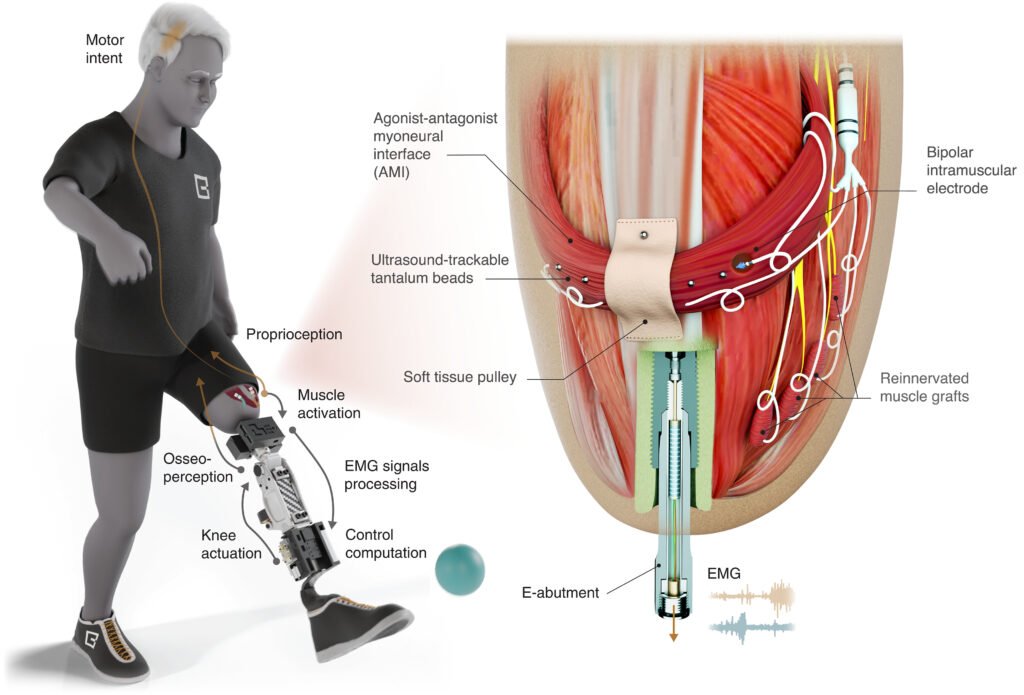
MIT’s Tissue-Integrated Prosthesis Restores Natural Movement

MIT researchers have unveiled a new bionic knee system that could redefine prosthetic integration for people with above-the-knee amputations. Unlike traditional socket-based prostheses, which often feel like external tools, this system is anchored directly into the user’s bone and muscle

MIT’s Tissue-Integrated Prosthesis Restores Natural Movement Read More »

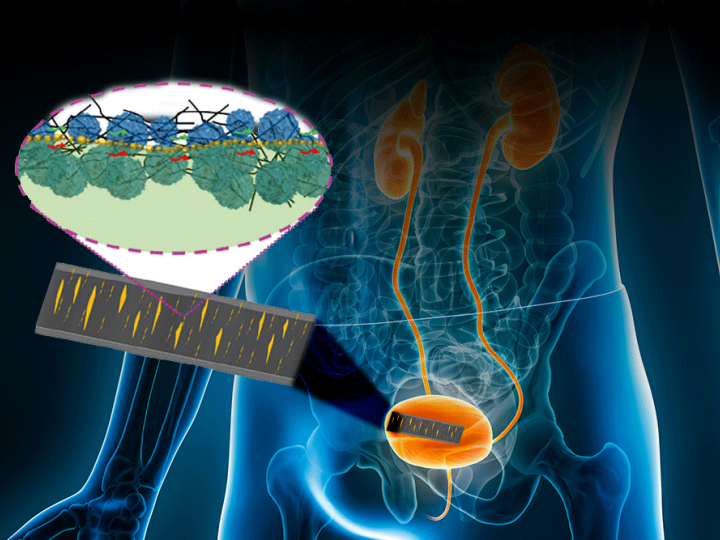
Skin-Like Biosensor Monitors Both Physical Movement and Electrical Signals in the Body

Researchers at Penn State have developed a flexible, skin-like sensor that can monitor both physical movement and electrical signals—internally and externally. Designed to mimic the properties of human skin, the device combines electrical and ionic conductivity, allowing it to interface

Skin-Like Biosensor Monitors Both Physical Movement and Electrical Signals in the Body Read More »

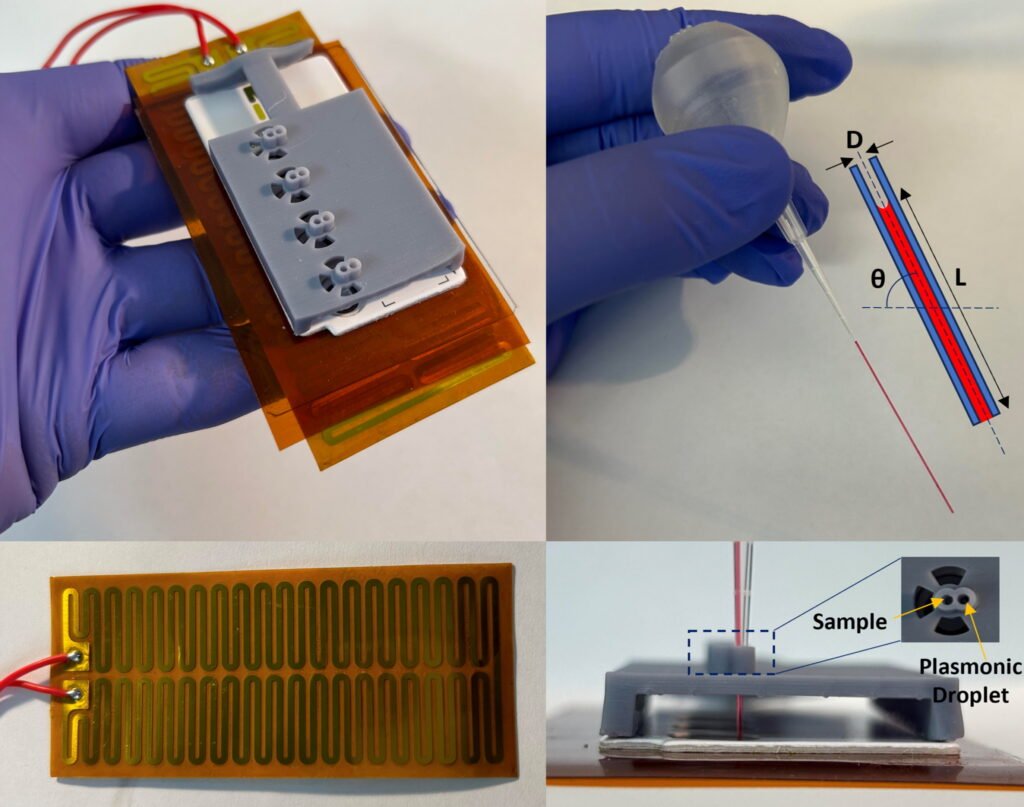
New Biosensing Technology Could Make Rapid At-Home Tests Up to 100 Times More Sensitive to Viruses

At-home diagnostic tests surged during the COVID-19 pandemic, but their convenience often came at the cost of sensitivity. Now, engineers at UC Berkeley have developed a low-cost biosensing platform that could dramatically improve the accuracy of rapid at-home tests—not just

New Biosensing Technology Could Make Rapid At-Home Tests Up to 100 Times More Sensitive to Viruses Read More »

‘Exploding’ Capsules Deliver Insulin and Other Injectable Drugs

For millions of people with diabetes and other chronic conditions, daily injections are a painful, inconvenient reality. That’s because many protein-based drugs—like insulin, semaglutide (Ozempic), and monoclonal antibodies—can’t survive the harsh environment of the gastrointestinal tract. But engineers at Georgia

‘Exploding’ Capsules Deliver Insulin and Other Injectable Drugs Read More »

Scroll to Top