Scott Jung

Scott Jung is a Silicon Valley-based medical and health technology reporter and advocate, with a focus on wearables, telemedicine, and health technology in emerging countries. He previously was at Medgadget and represented them at CES and Digital Health Summit, TEDMED, Stanford Medicine X, and SXSW. Always on the lookout for innovative medical technology worldwide, Scott has been invited to visit Colombia, Poland, and many other countries around the world to share how medtech is enriching the lives of its people. Scott holds a B.S. degree in Biomedical Engineering from the University of Southern California and an M.S. degree in Medical Product Development Management from San José State University. Scott is always looking for the next big thing in medical technology and digital health. Interested in helping him transform lives? Get in touch with him at https://scottju.ng

Computational Model Helps With Customized Brain Shunt Design

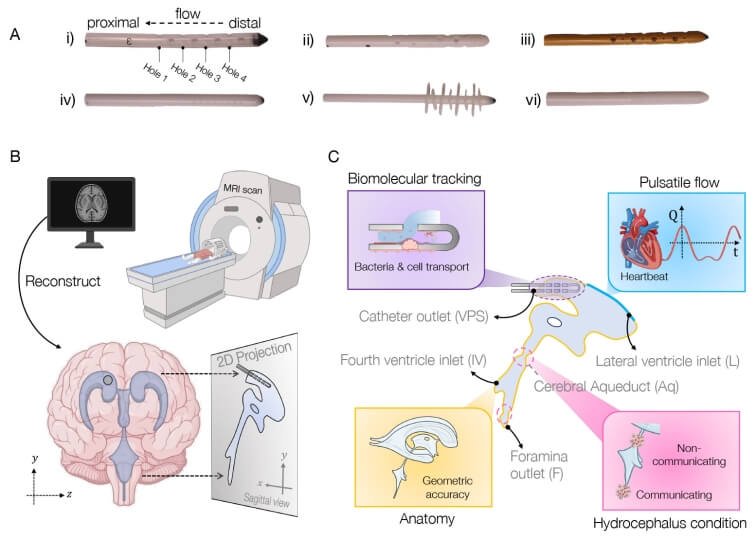
Shunts used to treat hydrocephalus—a condition involving excess cerebrospinal fluid (CSF) in the brain—frequently fail due to infection, mechanical blockage, or improper placement. These failures often result in repeated surgeries and lifelong monitoring, especially in pediatric patients. Now, researchers at […]

Computational Model Helps With Customized Brain Shunt Design Read More »
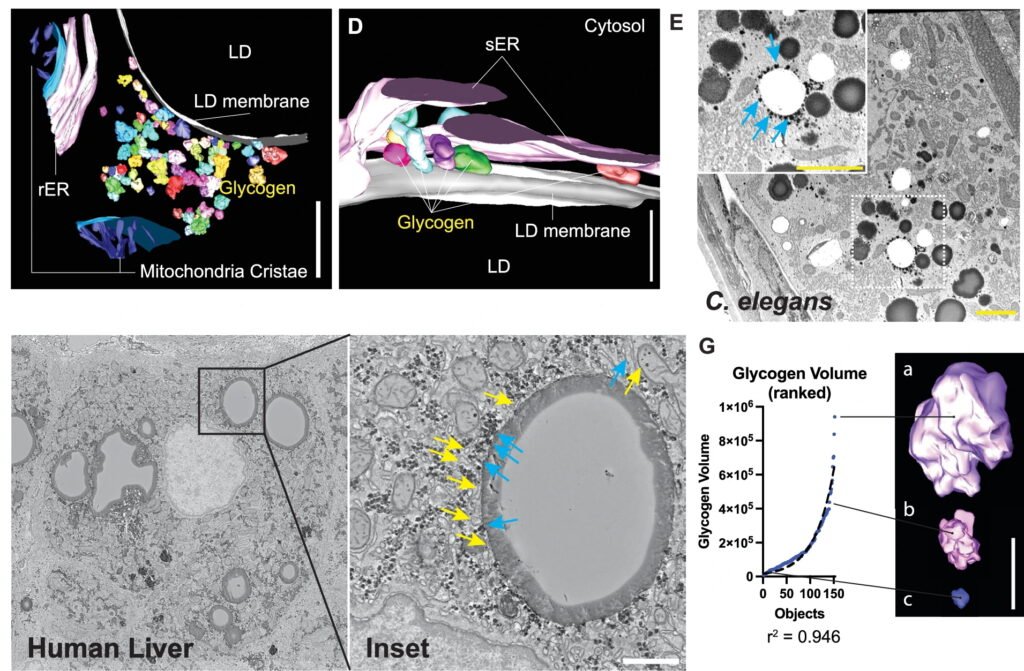
Multi-Scale Imaging Approach Reveals Metabolic Architecture of Glucose Processing

In a groundbreaking study published in Nature Communications, researchers from Vanderbilt University and UC San Diego have created the first high-resolution metabolic map showing how glucose is processed inside cells—from whole animals down to individual organelles. This multi-scale approach combines stable

Multi-Scale Imaging Approach Reveals Metabolic Architecture of Glucose Processing Read More »

RT-LAMP: A Rapid, Low-Cost Virus Test Tailored for Africa’s Needs

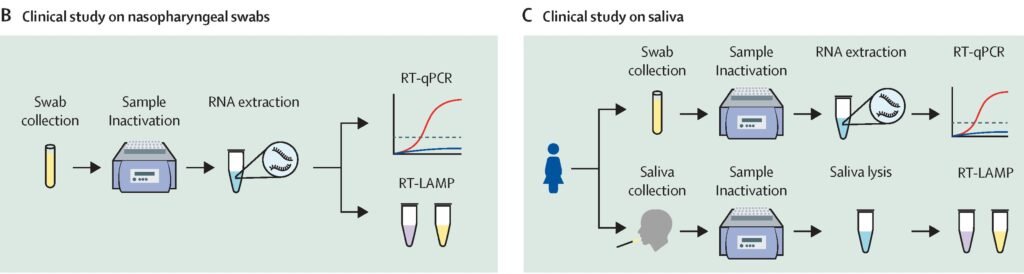
In a major step toward equitable pandemic preparedness, researchers from Italy, India, South Africa, and Slovenia have developed a diagnostic tool called RT-LAMP (reverse transcription loop-mediated isothermal amplification) that delivers COVID-19 results in under an hour using saliva samples—without the

RT-LAMP: A Rapid, Low-Cost Virus Test Tailored for Africa’s Needs Read More »

Lab-Grown Skin That Mimics Fibrosis Could Accelerate Personalized Therapies

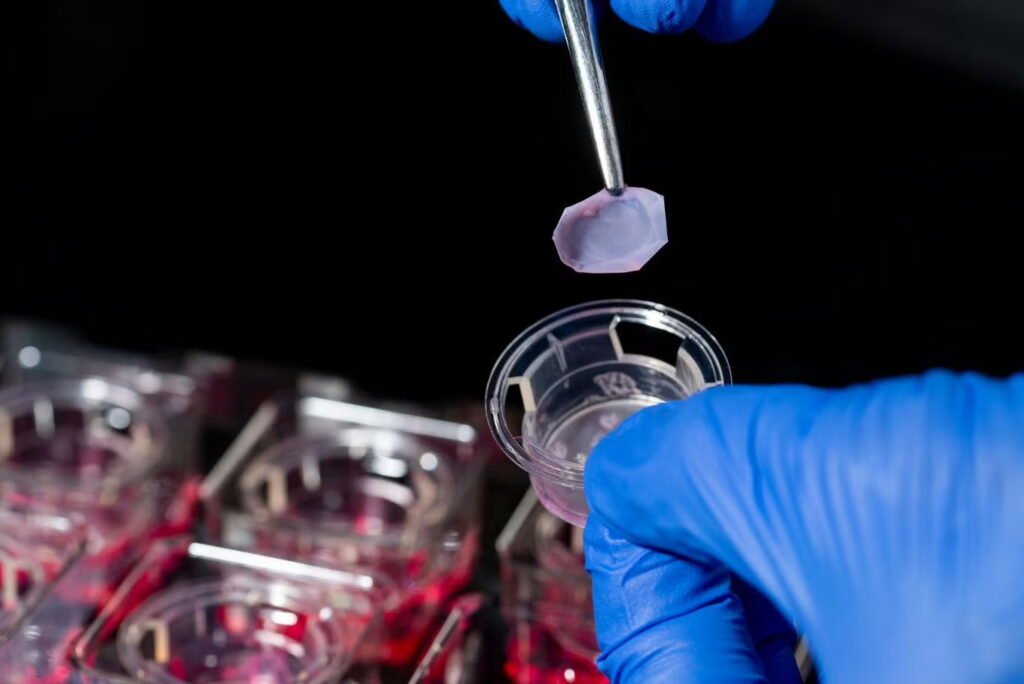
For the 300,000 Americans living with scleroderma—a rare autoimmune disease that causes tissue scarring in organs like the lungs, liver, and skin—treatment options remain limited and unpredictable. Now, researchers at Tufts University and Dartmouth’s Geisel School of Medicine have developed

Lab-Grown Skin That Mimics Fibrosis Could Accelerate Personalized Therapies Read More »

3D-Cultured Liver Organoids Developed With Organ-Specific Vasculature

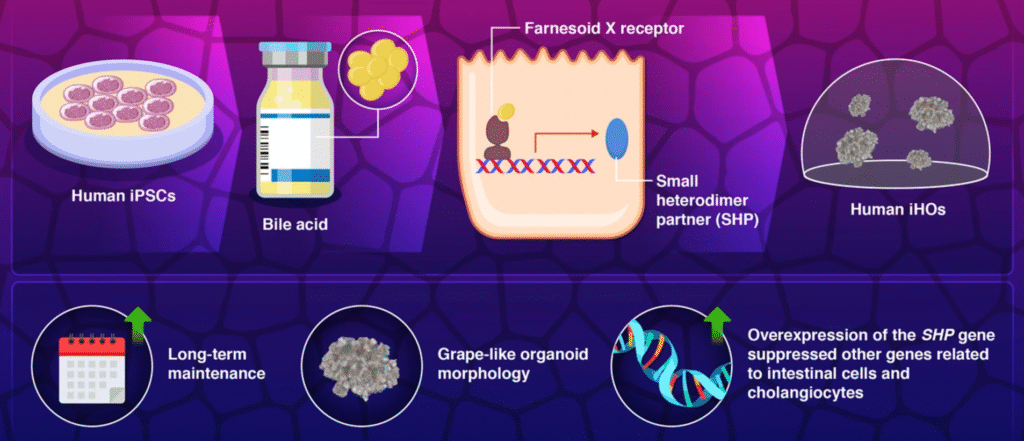
Researchers from the Institute of Science Tokyo and Cincinnati Children’s Hospital have engineered liver organoids with authentic, organ-specific vasculature—marking a major leap in regenerative medicine and disease modeling. Using a novel 3D culture method called inverted multilayered air–liquid interface (IMALI),

3D-Cultured Liver Organoids Developed With Organ-Specific Vasculature Read More »

Dental Device Uses LED’s to Induce Analgesia and Promote Healing

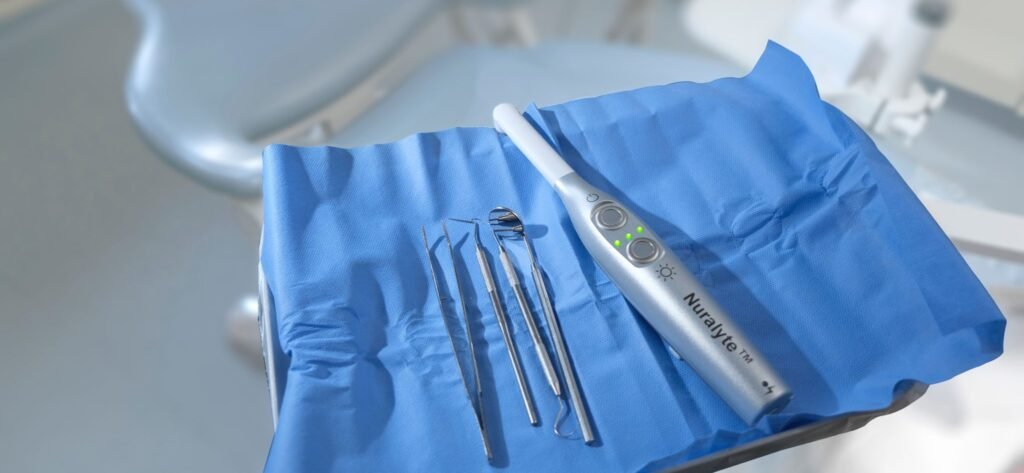
Griffith University researchers have found that light-based technology that may accelerate healing and reduce pain in dental procedures—without relying on pharmaceuticals or injections. The device, called Nuralyte, out of Canberra City, Australia based startup Dentroid, uses patented multi-wavelength LEDs to

Dental Device Uses LED’s to Induce Analgesia and Promote Healing Read More »

UK Biobank Completes World’s Largest Whole-Body Imaging Project

After more than a decade of planning and execution, UK Biobank has completed the largest whole-body imaging study in history—scanning the brains, hearts, abdomens, blood vessels, bones, and joints of 100,000 volunteers. Each participant underwent a five-hour appointment that generated

UK Biobank Completes World’s Largest Whole-Body Imaging Project Read More »

3D-Printed, Living Lung Tissue Developed to Study Respiratory Diseases, Treatments, and Personalized Medicine

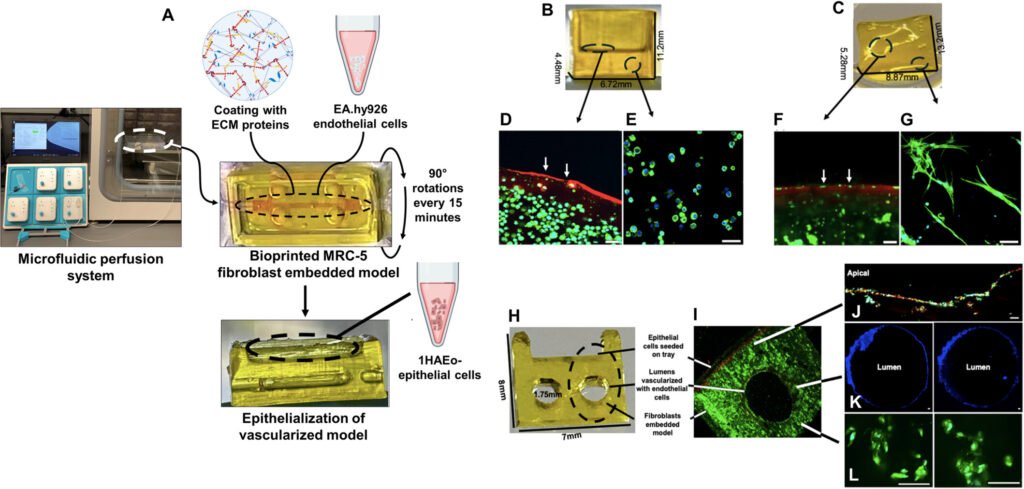
Researchers at UBC Okanagan have developed a 3D bioprinted model that closely mimics the complexity of living lung tissue, marking a major advance in how scientists study respiratory diseases and test new treatments. Led by Dr. Emmanuel Osei, the team

3D-Printed, Living Lung Tissue Developed to Study Respiratory Diseases, Treatments, and Personalized Medicine Read More »

Scroll to Top