Scott Jung

Scott Jung is a Silicon Valley-based medical and health technology reporter and advocate, with a focus on wearables, telemedicine, and health technology in emerging countries. He previously was at Medgadget and represented them at CES and Digital Health Summit, TEDMED, Stanford Medicine X, and SXSW. Always on the lookout for innovative medical technology worldwide, Scott has been invited to visit Colombia, Poland, and many other countries around the world to share how medtech is enriching the lives of its people. Scott holds a B.S. degree in Biomedical Engineering from the University of Southern California and an M.S. degree in Medical Product Development Management from San José State University. Scott is always looking for the next big thing in medical technology and digital health. Interested in helping him transform lives? Get in touch with him at https://scottju.ng

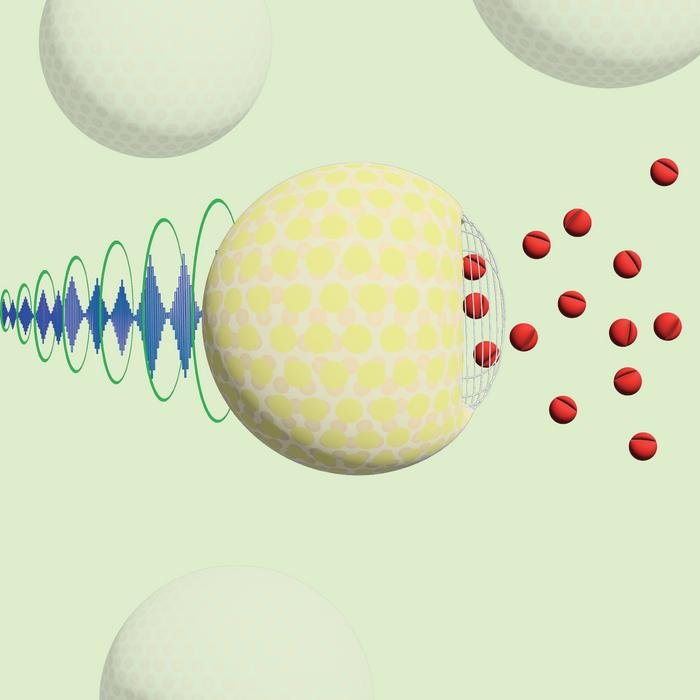
Light-Sensitive Materials That Help Electronics Think Like the Brain

Researchers at Forschungszentrum Jülich and RWTH Aachen University have developed a new type of electronic material that mimics how the brain processes information—using light instead of electricity. These materials, called organic photoelectrochemical transistors (OPECTs), are designed to behave like synapses, the […]

Light-Sensitive Materials That Help Electronics Think Like the Brain Read More »

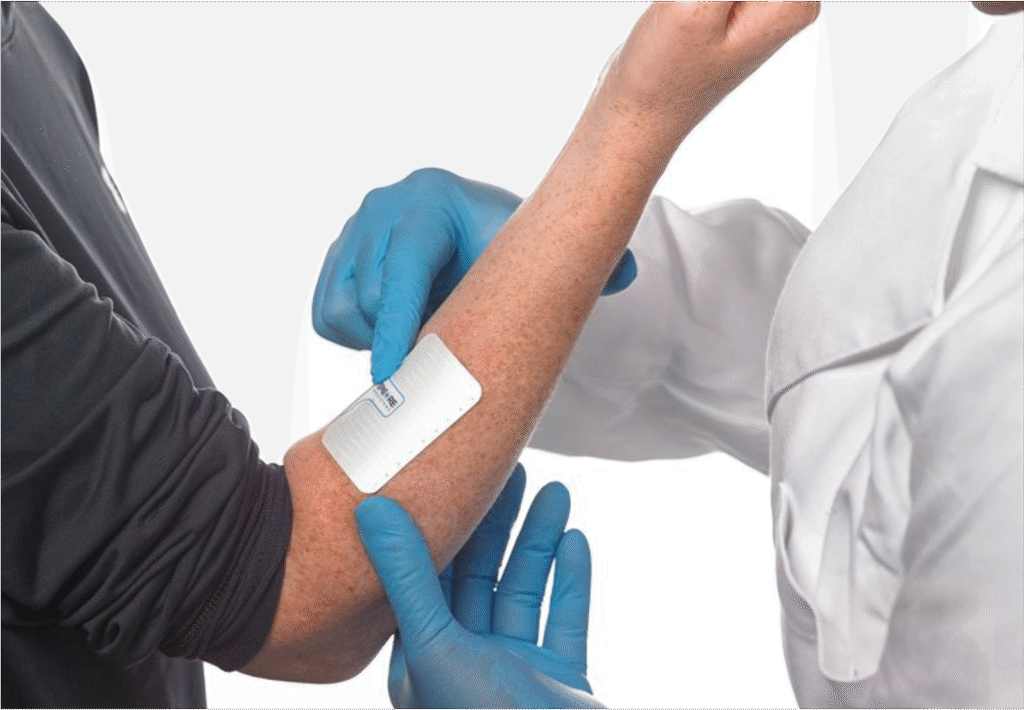
Smart Dressing Heals Burns Faster and Safer

Researchers at the Shenzhen Institutes of Advanced Technology (SIAT), working with Ruijin Hospital, have developed an advanced wound dressing that could greatly improve healing for burn victims and trauma patients. It’s made from bacterial cellulose, a breathable and skin-friendly material, and enhanced with human-derived

Smart Dressing Heals Burns Faster and Safer Read More »

Algorithmic Advances: A Monthly Recap of AI in Healthcare (July 2025)

Artificial intelligence may not be a classic “gizmo,” but it’s become an undeniable, rapidly evolving force in healthcare. From streamlining clinical workflows to flagging anomalies in imaging, algorithms are working their way into nearly every corner of medicine. The jury’s

Algorithmic Advances: A Monthly Recap of AI in Healthcare (July 2025) Read More »

Dual-Mode Optical Imaging System Enhances Skin Cancer Diagnosis

Researchers from Saint-Étienne University Hospital and Paris-Saclay University, in collaboration with Damae Medical, have developed a compact imaging system that combines line-field confocal optical coherence tomography (LC-OCT) with confocal Raman microspectroscopy. This dual-mode approach enables noninvasive diagnosis of skin cancer

Dual-Mode Optical Imaging System Enhances Skin Cancer Diagnosis Read More »

Wearable Platform Harvests Ambient Light for 24-Hour Health Monitoring

Researchers from the Korea Advanced Institute of Science and Technology (KAIST) have developed a next-generation wearable platform that enables continuous health monitoring using ambient light as its primary energy source. The system integrates three complementary technologies—photometric, photovoltaic, and photoluminescent methods—to

Wearable Platform Harvests Ambient Light for 24-Hour Health Monitoring Read More »

Smartphone-Readable Biosensor Measures Cortisol with High Sensitivity

At the University of California Santa Cruz, biomolecular engineer Andy Yeh has developed a luminescent biosensor that detects cortisol—the body’s primary stress hormone—with unprecedented sensitivity and dynamic range. Cortisol regulates blood pressure, metabolism, and immune response, and imbalances are linked

Smartphone-Readable Biosensor Measures Cortisol with High Sensitivity Read More »

Scroll to Top