Scott Jung

Scott Jung is a Silicon Valley-based medical and health technology reporter and advocate, with a focus on wearables, telemedicine, and health technology in emerging countries. He previously was at Medgadget and represented them at CES and Digital Health Summit, TEDMED, Stanford Medicine X, and SXSW. Always on the lookout for innovative medical technology worldwide, Scott has been invited to visit Colombia, Poland, and many other countries around the world to share how medtech is enriching the lives of its people. Scott holds a B.S. degree in Biomedical Engineering from the University of Southern California and an M.S. degree in Medical Product Development Management from San José State University. Scott is always looking for the next big thing in medical technology and digital health. Interested in helping him transform lives? Get in touch with him at https://scottju.ng

New Simulator Recreates Human Cough to Study and Stop TB Transmission

Tuberculosis (TB) remains the world’s deadliest infectious disease, claiming over a million lives annually. Despite advances in treatment, understanding how TB spreads—especially through airborne droplets—has remained a major challenge. Now, scientists at the Hackensack Meridian Health‘s Center for Discovery and

New Simulator Recreates Human Cough to Study and Stop TB Transmission Read More »

Rose-Inspired Sweat Sensors Offer Comfortable, Reusable Health Monitoring

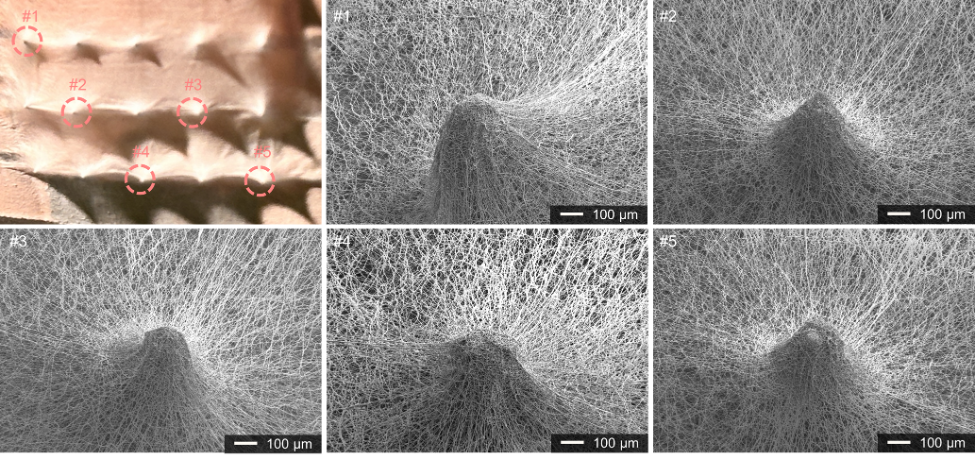
A research team at Waseda University has developed a new class of wearable sweat sensors that mimic the microtexture of rose petals—offering improved comfort, stability, and reusability for health monitoring. These bio-inspired sensors could transform how we track hydration, electrolyte

Rose-Inspired Sweat Sensors Offer Comfortable, Reusable Health Monitoring Read More »

Gentle Light Therapy Shows Promise for Boosting Brain Function in Alzheimer’s Patients

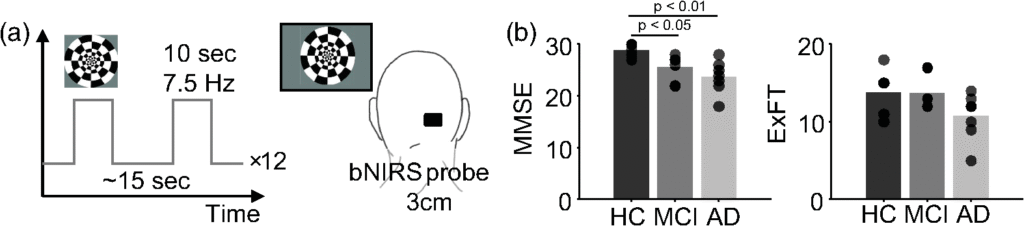
Researchers at the Technical University of Denmark (DTU), in collaboration with UC Berkeley and the spin-out company OptoCeutics, have developed a promising light-based therapy that may improve cognitive function in people with Alzheimer’s disease—without the need for medication or invasive

Gentle Light Therapy Shows Promise for Boosting Brain Function in Alzheimer’s Patients Read More »

Wireless Light Capsule Reveals How Gut Neurons Control Digestion and Metabolism

Researchers at NYU Tandon School of Engineering have developed a groundbreaking ingestible device that uses light to activate specific neurons in the gut—offering a noninvasive way to study and potentially treat digestive and metabolic disorders. The technology, called ICOPS (Ingestible Controlled Optogenetic

Wireless Light Capsule Reveals How Gut Neurons Control Digestion and Metabolism Read More »

3D-Printed Meals Offer Personalized Nutrition for People with Swallowing Disorders

Researchers at Kyushu University have developed a novel 3D bioprinting method to create customized meals for people with dysphagia—a condition that makes swallowing difficult and affects millions globally, especially in aging populations like Japan. Their innovation could dramatically improve both

3D-Printed Meals Offer Personalized Nutrition for People with Swallowing Disorders Read More »

Scroll to Top