Scott Jung

Scott Jung is a Silicon Valley-based medical and health technology reporter and advocate, with a focus on wearables, telemedicine, and health technology in emerging countries. He previously was at Medgadget and represented them at CES and Digital Health Summit, TEDMED, Stanford Medicine X, and SXSW. Always on the lookout for innovative medical technology worldwide, Scott has been invited to visit Colombia, Poland, and many other countries around the world to share how medtech is enriching the lives of its people. Scott holds a B.S. degree in Biomedical Engineering from the University of Southern California and an M.S. degree in Medical Product Development Management from San José State University. Scott is always looking for the next big thing in medical technology and digital health. Interested in helping him transform lives? Get in touch with him at https://scottju.ng

AI Bandage Speeds Up Wound Healing

Not all wounds heal at the same pace, and chronic wounds can be especially difficult to treat. Engineers at the University of California, Santa Cruz have created a smart bandage called a-Heal that uses artificial intelligence and bioelectronics to monitor and accelerate healing. The device combines a small camera, machine learning, and therapeutic delivery in one wearable system. Every two hours, a-Heal captures images of the wound and analyzes them using an AI model. If healing is slower than expected, the system responds by applying either fluoxetine to reduce inflammation or an electric field to stimulate cell migration. This closed-loop approach allows for personalized treatment based on real-time data. The AI model, developed by Marcella Gomez, uses reinforcement learning to adapt its strategy over time. It learns from each patient’s healing progress and adjusts interventions accordingly. The device also sends updates to a secure web interface, so clinicians can monitor recovery remotely. Tests conducted with the University of California Davis showed that wounds treated with a-Heal healed about 25 percent faster than those receiving standard care. The device attaches to a regular bandage and operates wirelessly, making it easy to use in both clinical and home settings. This technology represents a major advance in personalized wound care. By integrating sensing, diagnosis, and treatment into one system, a-Heal could help patients recover faster and reduce the burden on healthcare providers.

AI Bandage Speeds Up Wound Healing Read More »

BAMBI Device Offers Low-Cost, Life-Saving Solution for Postpartum Hemorrhage in Vulnerable Settings

A multidisciplinary team at Politecnico di Milano in Italy has developed BAMBI (Balloon Against Maternal BleedIng), a low-cost medical device designed to stop postpartum hemorrhage (PPH)—a leading cause of maternal death in low-resource regions. The device is now entering clinical

BAMBI Device Offers Low-Cost, Life-Saving Solution for Postpartum Hemorrhage in Vulnerable Settings Read More »

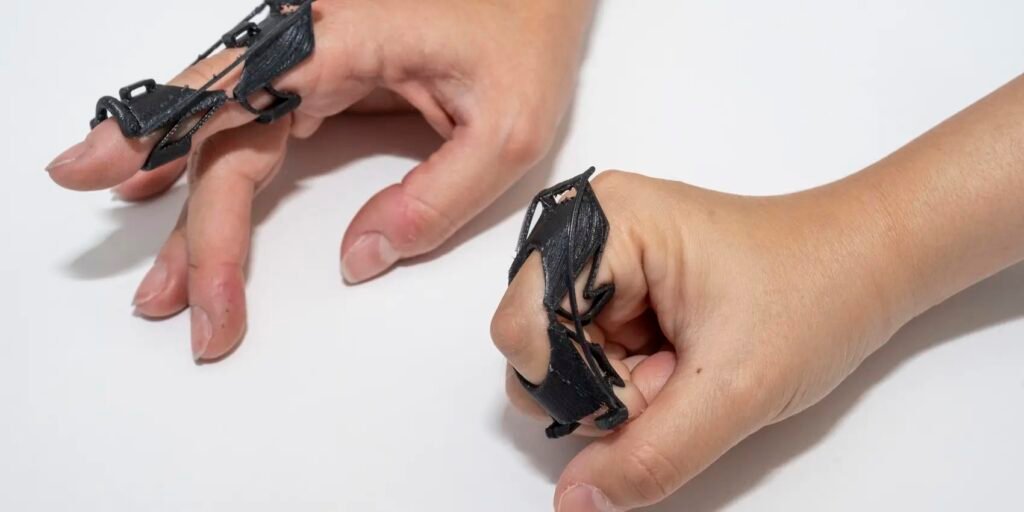
Shape-Shifting Metamaterial Could Transform Implantable and Ingestible Medical Devices

Researchers at Rice University have developed a soft, programmable metamaterial that can rapidly change its shape and size when activated remotely, offering a new foundation for safer and more versatile medical devices. This innovation could revolutionize how implantable and ingestible

Shape-Shifting Metamaterial Could Transform Implantable and Ingestible Medical Devices Read More »

Implantable Neurostimulator Restores Blood Pressure Control After Spinal Cord Injury

A new implant developed through an international collaboration led by the University of Calgary has shown remarkable success in restoring blood pressure regulation for individuals with spinal cord injuries (SCI). The device, which delivers targeted electrical stimulation to the spinal

Implantable Neurostimulator Restores Blood Pressure Control After Spinal Cord Injury Read More »

Scroll to Top