
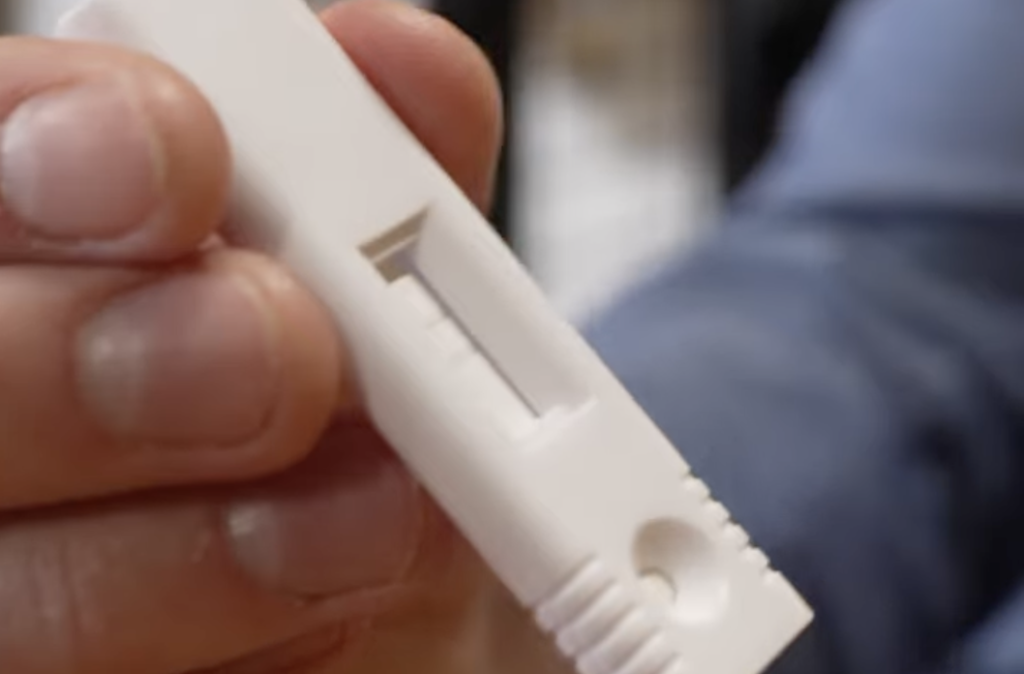
A new saliva based diagnostic tool developed at the University of Waterloo is being positioned as a faster and more objective way to identify concussions in real time. The technology was created by HeadFirst, a startup co-founded by a Waterloo alumnus who drew on his own experiences with sports related head injuries to address the long standing challenge of subjective concussion assessments. Traditional sideline evaluations depend heavily on self reported symptoms and observational checklists, which can be unreliable when athletes minimize or fail to recognize signs of injury. The new device instead measures a specific biomarker released by the brain after trauma, offering a rapid biological signal that does not rely on symptom disclosure.
The device is designed to be portable and simple enough for use by coaches, trainers, and medical staff during games or practices. By providing results within minutes, it aims to reduce the number of undiagnosed concussions and support earlier intervention. The development reflects a growing interest in objective, biology based screening tools that can be deployed outside clinical environments. The founders emphasize that the technology is intended to complement, not replace, clinical evaluation by giving decision makers clearer information at the moment an injury occurs.
The team is piloting the device in sports settings and exploring broader applications in workplaces, military environments, and other contexts where head injuries are common. By focusing on a simple saliva test that can be administered quickly, the technology aims to make concussion detection more consistent and accessible.
The development highlights the importance of early identification in preventing long term neurological damage. Repeated impacts without adequate recovery can lead to serious complications, and many athletes continue playing because symptoms are subtle or delayed. A rapid biomarker based test could help reduce this risk by providing an immediate indication of injury. The work represents a shift toward more reliable concussion management grounded in measurable biology rather than subjective reporting, and it reflects a broader movement toward accessible neurotechnology that supports safer participation in high impact activities.
Take a look at this video from the University of Waterloo that explains more about the technology:
Article from the University of Waterloo: Rapid concussion detection using saliva
