
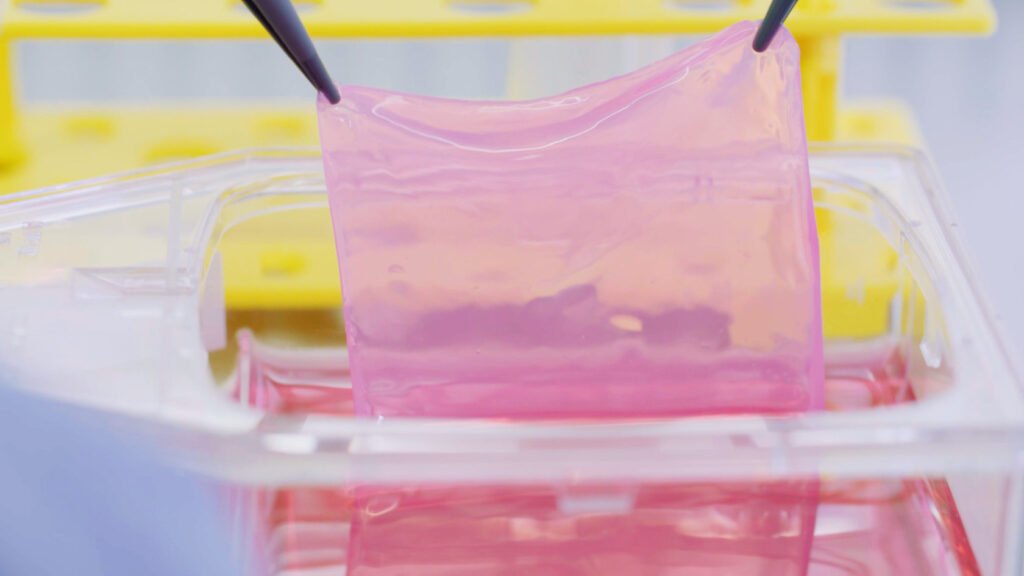
Researchers at the University of Zurich have developed advanced bioengineered skin grafts that could significantly improve treatment for people with severe burns. Building on more than fifteen years of work, the team has created living skin grown from a patient’s own cells, an approach that aims to overcome the limitations of traditional grafts, which often lack elasticity, do not grow with the patient, and can lead to functional and cosmetic problems over time. The research also led to the founding of the spin off company Cutiss in 2017, which is working to translate this technology into clinical practice.
The article places this innovation in the context of large scale burn disasters, such as the Crans Montana fire in which many victims suffered burns over more than 60 percent of their bodies. Such injuries require complex, long term care that includes stabilization, infection control, multiple surgeries, and years of rehabilitation. Conventional grafts can contract, scar, and restrict movement, especially in growing children, leading to repeated operations. The new grafts are designed to be elastic and to integrate more naturally with the body, potentially reducing the need for revision surgeries and improving long term mobility and quality of life.
By combining cells from both the outer and deeper layers of the skin, the researchers aim to recreate tissue that behaves more like healthy skin, rather than a simple covering. Because the grafts are derived from the patient’s own cells, the risk of rejection is reduced and the potential for long term regeneration is increased. The work reflects a broader shift toward personalized regenerative medicine, where a patient’s own tissues are used to repair or replace damaged structures. As this technology progresses through clinical development, it could transform how extensive burns are treated and offer new hope for survivors facing lifelong consequences from their injuries.
Article from the University of Zurich: New Skin for Burn Victims
