
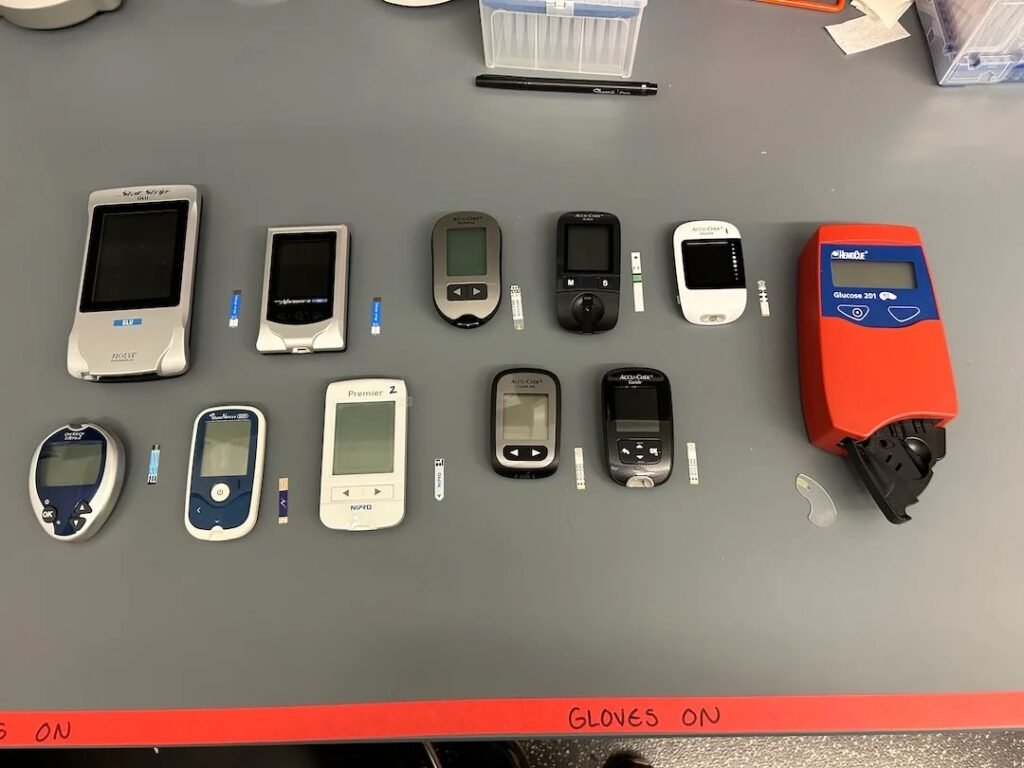
A new study led by Rice University researchers has identified simple, low‑cost tools that can accurately detect hypoglycemia in newborns, a condition that can cause brain injury or death if untreated. The work highlights how affordable screening methods could save lives in low‑resource settings worldwide.
Hypoglycemia is common in infants, especially those born prematurely or with low birth weight. In high‑income countries, blood glucose monitoring is routine, but many hospitals in developing regions lack the equipment or training to perform these tests. The Rice team, working with partners in Malawi and Uganda, evaluated several point‑of‑care devices and found that handheld glucometers and continuous glucose monitors can provide reliable results at a fraction of the cost of standard laboratory testing.
The researchers emphasized that early detection is critical. Without timely diagnosis, newborns with hypoglycemia may suffer seizures, developmental delays, or permanent neurological damage. By validating affordable tools, the study offers a pathway to expand screening programs in regions where infant mortality remains high.
The team also noted that training healthcare workers to use these devices effectively is essential. With proper implementation, hospitals and clinics could integrate glucose monitoring into routine newborn care, reducing preventable deaths and long‑term disabilities.
Article from Rice University: New study identifies affordable, accurate tools to detect low blood sugar in newborns globally
Abstract in BMC Pediatrics: Evaluation of commercial point-of-care glucometers for detection and monitoring of neonatal hypoglycemia in resource-constrained settings
