
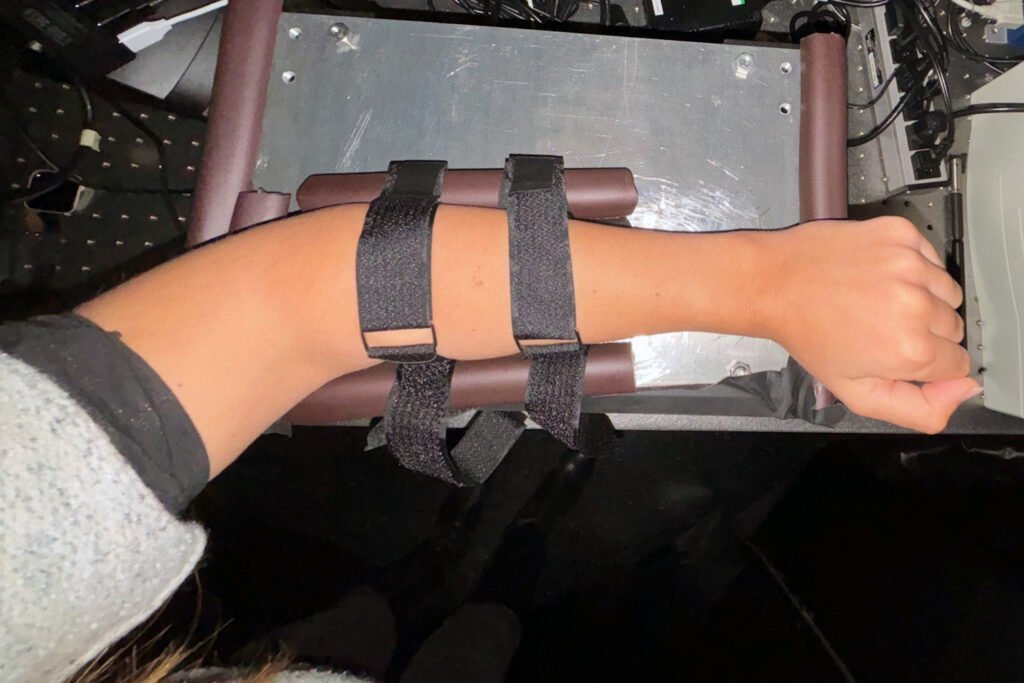
MIT researchers have unveiled a new technology that could spare millions of diabetes patients from the discomfort of frequent finger pricks. The team has created a shoebox‑sized device that uses Raman spectroscopy, a technique that shines near‑infrared light onto the skin to reveal its chemical composition. By analyzing just three spectral bands, the device can accurately measure blood glucose levels without needles.
In tests with healthy volunteers, the device produced readings comparable to commercial continuous glucose monitors, which require a wire implanted under the skin. Each measurement took about 30 seconds, and the system successfully tracked glucose changes after participants consumed glucose drinks. Unlike invasive monitors, this approach avoids skin irritation and the need for frequent sensor replacement.
The breakthrough builds on earlier work at MIT’s Laser Biomedical Research Center, where researchers struggled to isolate glucose signals from background tissue noise. By adjusting the angle of light delivery and signal collection, the team was able to filter out unwanted signals and directly capture glucose data. Simplifying the analysis to three spectral bands reduced equipment size and cost, making the device more practical for clinical use.
The researchers have already developed a smaller prototype, about the size of a cellphone, now being tested in a clinical study. Future versions could shrink further to watch‑sized wearables, enabling continuous monitoring. They are also working to ensure accuracy across different skin tones, an important step toward equitable adoption.
Article from MIT: Noninvasive imaging could replace finger pricks for people with diabetes
Abstract in Analytical Chemistry: Band-Pass Raman Spectroscopy Unlocks Compact Point-of-Care Noninvasive Continuous Glucose Monitoring
