
Many gut problems are hard to catch because signs like bleeding or inflammation can come and go, and standard endoscopy might miss them. Scientists in China are developing swallowable capsules that contain harmless, engineered bacteria designed to act as tiny sensors inside the digestive tract. The idea is simple: the bacteria are programmed to react when they encounter certain clues linked to disease, such as blood components, inflammation markers, or chemical changes. When they detect these signals, the bacteria produce a response that the capsule’s electronics can read, turning a brief encounter into useful data for doctors.
Because the capsule travels naturally through the stomach, small intestine, and colon, it can observe many areas over time, not just a single location. This matters because gut conditions are often patchy and unpredictable. A moving sensor increases the chance of spotting problems while they are happening. Different strains of bacteria can be placed in the same capsule, each tuned to a different signal, so doctors can get a more complete picture. For example, one strain might react to signs of bleeding, another to signs of inflammation, and a third to chemical patterns linked to an unhealthy balance of microbes.
Safety is central to this approach. The bacteria chosen are benign and engineered with safeguards so they cannot colonize the body. The capsule shell protects the bacteria and limits direct contact with the gut walls, and the device is designed to pass naturally. The electronics inside must survive the harsh environment of the digestive system and use very little power. Early versions show that signals like bacterial light or chemical changes can be turned into electrical readings, which the capsule can store or send wirelessly to a receiver when it is nearby.
If clinical trials confirm the benefits, these capsules could change how doctors evaluate gut health. They might help decide who really needs an endoscopy, flag ongoing bleeding or active inflammation, and track how well treatments are working over time. For people with conditions like inflammatory bowel disease, a capsule could watch for flares between clinic visits and alert care teams early. After surgery, a capsule could look for hidden bleeding or local irritation, improving safety during recovery. In the future, capsules might even release small doses of medicine when they detect a problem, combining detection and treatment in one device.
For patients, the promise is a simpler, less stressful way to get answers. Instead of a hospital procedure, a pill could provide continuous monitoring and early warnings, giving doctors clearer guidance about what to do next. For health systems, the technology could reduce unnecessary procedures and focus resources on those who need them most. By turning a capsule into a traveling laboratory, this approach brings gut diagnostics into everyday life and makes care more personalized, timely, and easier to manage.
Article from the American Chemical Society: Bacteria ‘pills’ could detect gut diseases — without the endoscope
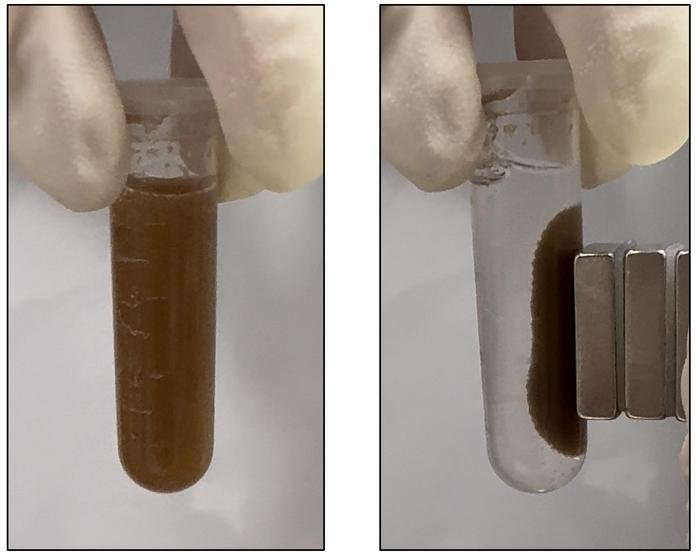
Abstract in ACS Sensors: Magnetic Hydrogel: Enhanced Bacterial Biosensor for Speedy Gut Disease Detection
